Health and Wellness: Music, Mind & Movement
Feeling overwhelmed or restless? Music and movement can change that fast. This page collects practical articles about how different sounds and styles — from gentle acoustic guitar to energetic dubstep — support sleep, focus, mood, and fitness. Pick what fits your day and try one small habit.
Music for Mind, Sleep and Focus
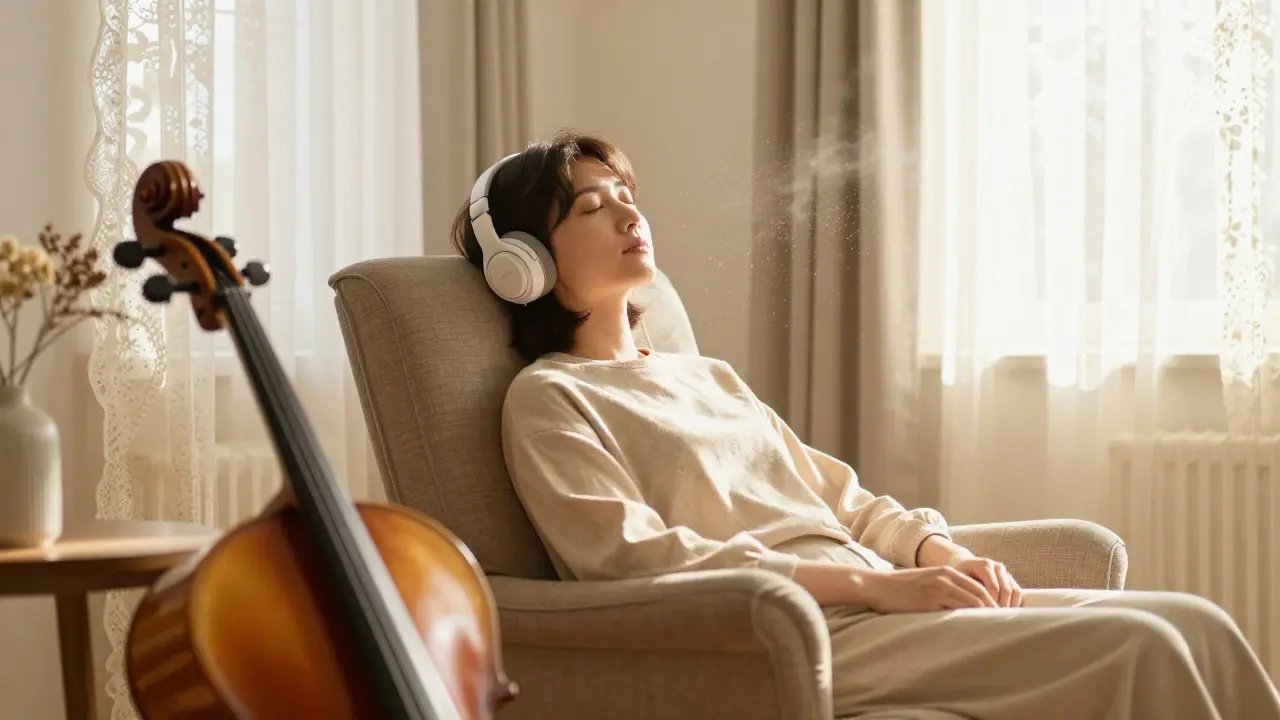
Want better sleep or clearer thinking? Slow classical pieces and soft acoustic guitar tracks help lower arousal and make it easier to relax before bed. Try a 20–30 minute playlist of slow tempo classical music or solo guitar 30–60 minutes before lights out. For concentration, pick instrumental jazz or Baroque-style pieces at moderate volume; they provide rhythm without stealing attention.
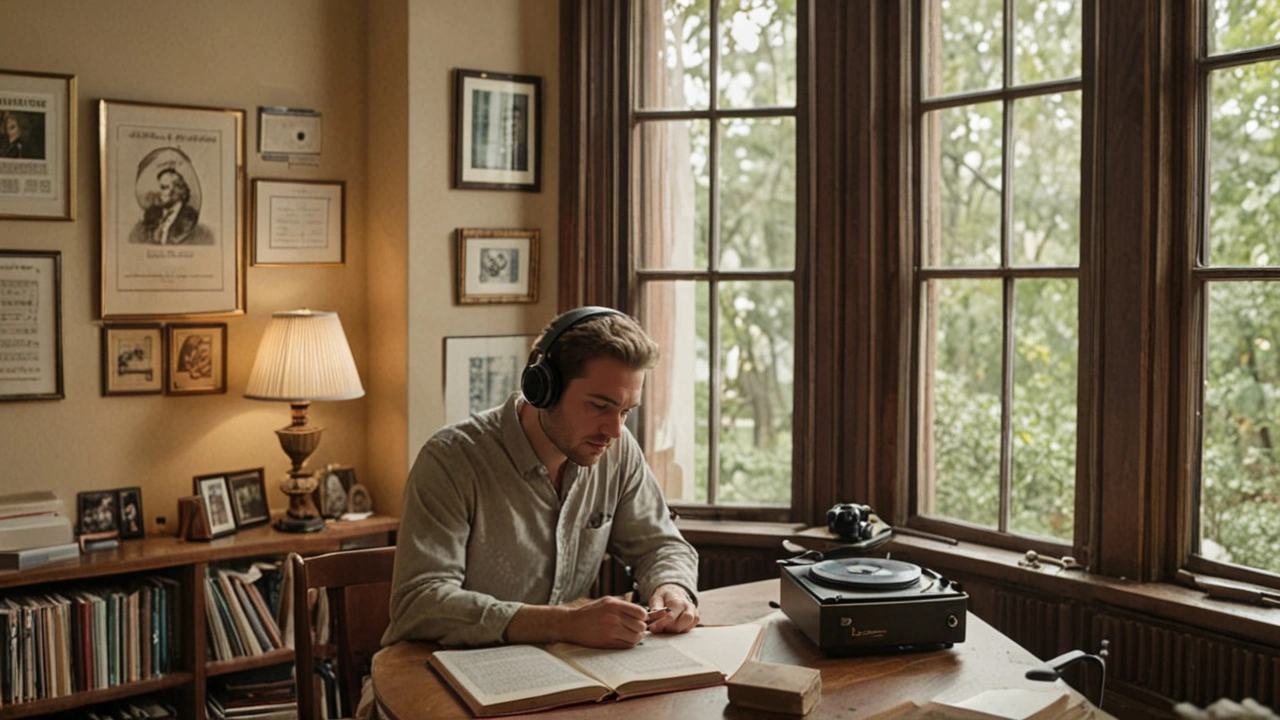
Mindfulness with music works when you use it like a short practice. Close your eyes for five minutes, follow the notes, and breathe with the phrases. Jazz can guide this kind of listening — its shifts in tempo force your attention back into the moment. Use a single short track as your daily reset.
Playing an instrument also boosts brain function. Even simple piano practice strengthens memory, coordination, and problem solving. You don't need to be advanced: 15 minutes of focused scales, sight-reading, or a short song three times a week produces noticeable benefits over time.
Move, Dance and Feel Better
If you prefer motion, dance styles like dubstep-based workouts offer high-energy intervals that raise heart rate and improve coordination. Alternate 30–45 seconds of fast movement with 30 seconds of rest and repeat for a 15–20 minute session. That’s a quick, mood-lifting routine you can do at home with headphones.
Not into hard beats? Country or mellow pop works for low-impact movement: walking, stretching, or gentle dance to songs with clear rhythm. Emotional lyrics can help process feelings, turning a simple walk into emotional release when paired with the right tracks.
Music therapy and guided sound sessions use specific instruments and tones to support emotional release and relaxation. Acoustic guitar often appears in those settings because its timbre feels intimate and calming. If you're working through stress, try a session with a therapist or a curated therapeutic playlist at home.
Want to use these ideas without overhauling your life? Start small: a nightly five-song sleep playlist, a morning three-song focus set, and one 20-minute movement session midweek. Track how you feel after a week and adjust. Small, consistent changes add up fast.
Explore the linked posts for deeper tips: sleep-focused classical guides, acoustic guitar healing, jazz mindfulness steps, piano practice ideas, and dance fitness routines. Try one suggestion today and notice what shifts.
Questions or want a playlist suggestion? Drop a note on the article that matches your goal and I’ll share quick, practical tracks to get you started.
Discover how classical music acts as a melodic path to inner peace. Learn the science behind stress relief, choose the right composers for your mood, and create a daily ritual for mindfulness.
Discover how piano music rewires your brain, lowers stress, and boosts mood through dopamine and cortisol regulation. Learn the science behind its emotional power.
Classical music can reduce stress, boost dopamine, and calm your nervous system. Discover how specific pieces and listening habits can improve your mood-backed by science and real-life stories.
Musical instruments in therapy help people heal when words fall short. From drums to handpans, sound rebuilds neural pathways, releases emotion, and restores connection-proven by science and real-life cases.
Discover how acoustic guitar music helps reduce stress, supports mental health, and enhances daily well-being. Dive deep into the wellness power of gentle guitar sounds.
Explore how jazz music can be a powerful tool for promoting mindfulness and relaxation. This article delves into the science behind it, offers practical tips for incorporating jazz into your daily routine, and highlights some of the best jazz pieces for unwinding.
Dubstep dance is taking the fitness world by storm, providing a fun and effective way to workout. This dance style combines energetic movements with the rhythm of dubstep music. Perfect for all fitness levels, it can help improve coordination, burn calories, and boost your mood. Dive into this article to discover why dubstep dance should be your next fitness craze.
Exploring how classical music can enhance cognitive functions, this article delves into the fascinating effects of these timeless tunes on the brain. It includes interesting facts and practical tips to help readers integrate classical music into their daily routines for better mental performance.
Exploring the ways in which classical music can enhance sleep quality, this article delves into the scientific and psychological mechanisms behind its soothing effects. Learn about the benefits, relevant studies, and practical tips for incorporating classical music into your nighttime routine. Ideal for anyone struggling with sleep issues or looking to improve their sleep hygiene.
Explore the significant role of acoustic guitars in music therapy, an established method for improving mental and emotional health. This article discusses how the gentle tones of acoustic guitars can facilitate relaxation, emotional release, and cognitive improvements in various therapeutic settings. Understand the psychological and physical benefits of integrating this instrument into treatment plans, supported by facts and practical examples.