
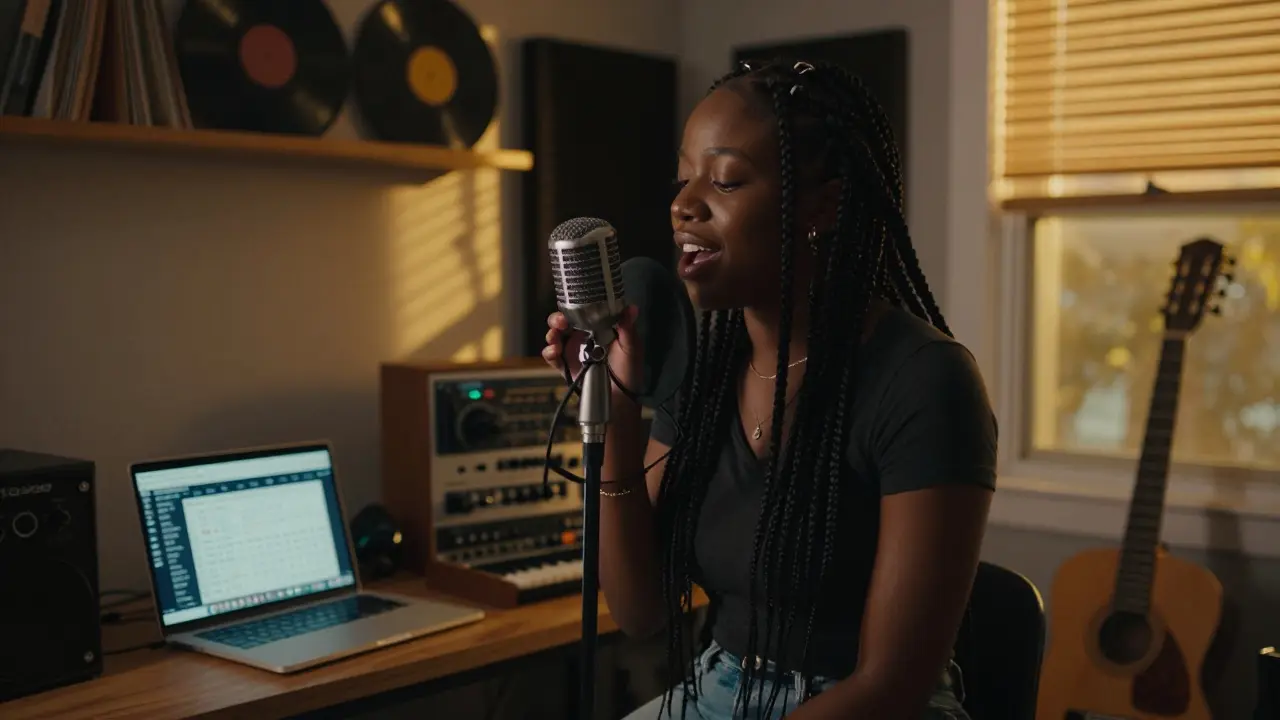
Twenty years ago, soul music felt like a relic. Dusty vinyl records, faded posters of Otis Redding, and the occasional sample in a hip-hop beat were all that remained of its golden era. But something changed. Around 2020, a quiet but powerful wave began rolling through streaming playlists, Bandcamp pages, and underground gigs in cities from Brisbane to Berlin. Soul music didn’t just come back-it evolved. And it’s louder, deeper, and more personal than ever.
Why Soul Music Never Really Died
Soul music never vanished. It just went underground. While pop radio chased trends, artists in basements, home studios, and small labels kept the flame alive. They didn’t call it revival. They just kept singing. Artists like Leon Bridges, who dropped his debut in 2015 with a voice that sounded like it came straight out of 1964, proved that authenticity still connects. His album Bridge Over Troubled Water didn’t chart because of marketing. It charted because people felt it.
Same with Yebba, who sang on a BBC session in 2017 and went viral not because of a label push, but because her voice cracked with real emotion. People didn’t just listen-they cried. And they shared it. That’s the power of soul: it doesn’t need algorithms. It needs heart.
How Streaming Changed the Game
Spotify, Apple Music, and YouTube didn’t just make soul music accessible-they made it discoverable. Before, you had to know where to look: obscure record stores, college radio, or a friend’s mixtape. Now, a 17-year-old in Manila can stumble on a 1972 Curtis Mayfield track and then find modern artists like Sampa the Great or Yola who carry that same spirit.
Playlists like Modern Soul, Neo-Soul Vibes, and Deep Soul Sundays have millions of followers. These aren’t curated by executives. They’re built by listeners. Algorithms pick up on patterns: if you like Aretha Franklin, you’ll probably like H.E.R.’s Self Love. If you love Marvin Gaye’s What’s Going On, you’ll click on Jamilah Barry’s 2024 track Still Breathing.
The numbers don’t lie. According to IFPI’s 2025 Global Music Report, soul and R&B streams grew by 38% in the last three years-faster than any other genre except hyperpop. But unlike hyperpop, soul’s growth isn’t driven by novelty. It’s driven by need. People are tired of synthetic emotions. They want something real.
The Vinyl Resurgence Isn’t Just Nostalgia
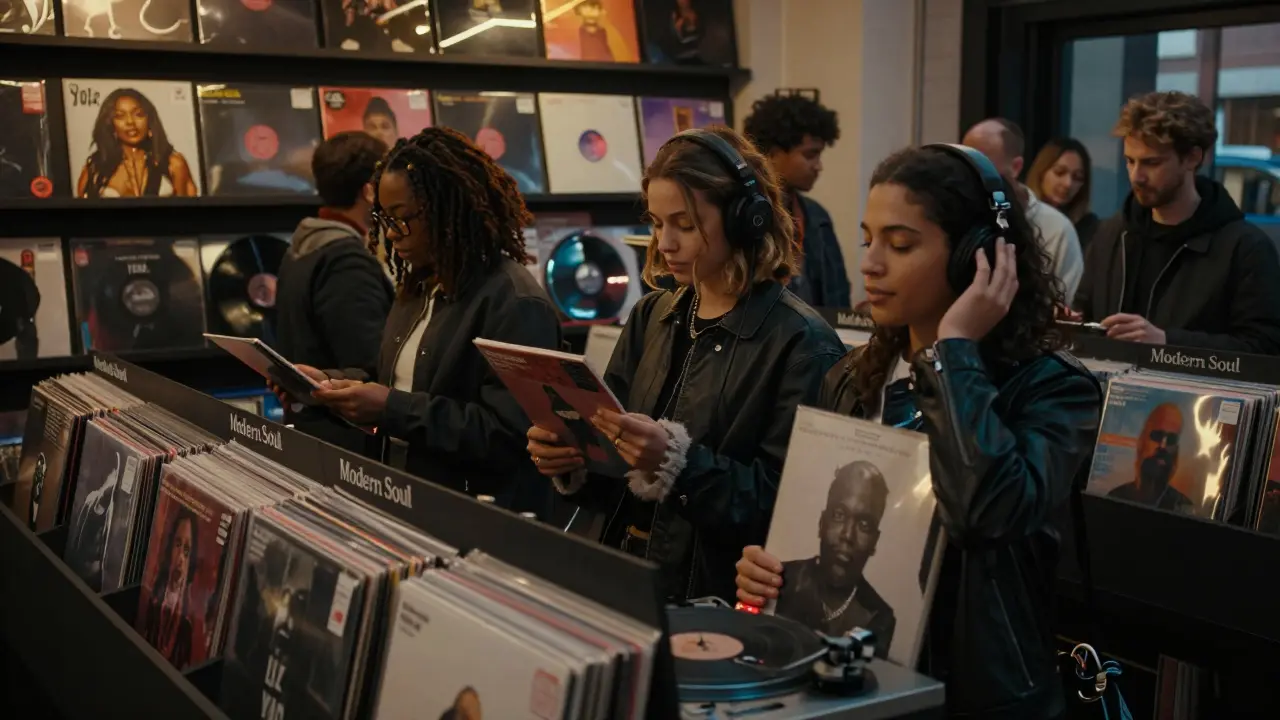
You’ve seen it: record stores with lines out the door, young people buying LPs of Donny Hathaway and Erykah Badu. But this isn’t just about looking cool with a turntable. Vinyl sales of soul albums hit their highest point since 1992 in 2024. Why? Because soul music demands presence. You don’t skip a track on vinyl. You sit down. You flip the record. You hear the crackle before the first note.
Artists are responding. In 2025, 62% of new soul releases came out on vinyl first. Even indie labels like Daptone Records and Truth & Soul are pressing 10,000+ copies of each album. One pressing plant in Detroit, which shut down in 2010, reopened in 2022 and now works 18 hours a day, seven days a week. The demand isn’t for nostalgia. It’s for ritual.
Modern Soul Artists Are Rewriting the Rules
Today’s soul artists don’t just borrow from the past-they remix it. They blend gospel choirs with electronic beats. They layer Auto-Tune over live horns. They sing about mental health, racial justice, and queer love in ways that would’ve been unthinkable in the 1970s.
Take Yola. Her 2021 album Stand for Myself won a Grammy not because it sounded like Aretha, but because it sounded like her-unfiltered, bold, and deeply personal. Or consider King Princess, who sings about love and loss with the rawness of Etta James but the production style of a bedroom pop producer. Their music isn’t retro. It’s reimagined.
Even in Australia, the scene is thriving. Brisbane’s own Lila Rose released her debut album Worth the Wait in late 2024. It’s full of live strings, analog synths, and lyrics about healing after trauma. It charted on Bandcamp’s Top Soul Albums for 11 weeks straight. No major label. No TV ads. Just word of mouth and a voice that doesn’t flinch.
The Role of Social Media: More Than Just Promotion
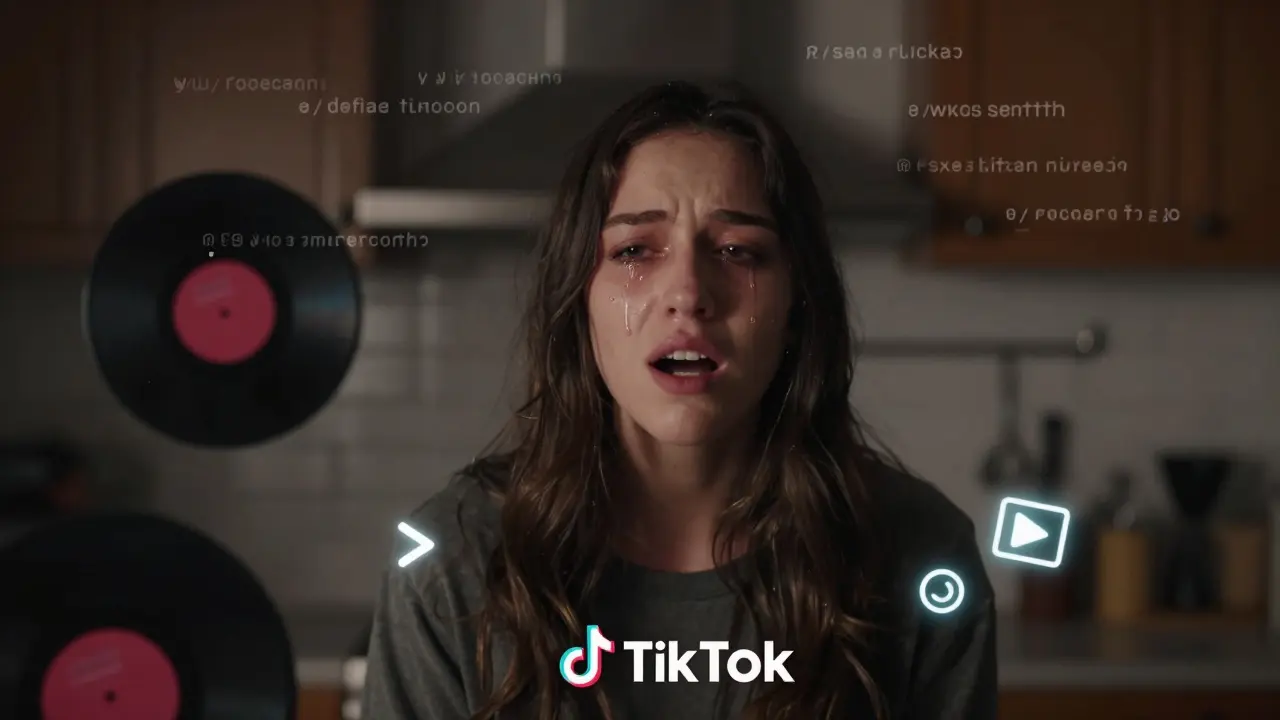
TikTok isn’t just for dance challenges. It’s become a sanctuary for soul. A 2024 study by the University of Melbourne found that 41% of Gen Z listeners discovered soul music through short-form video. Not because of ads-but because someone posted a 15-second clip of a live vocal run from a 1968 Aretha Franklin performance, and it got 2.3 million views.
Artists now use Instagram Reels to share studio snippets. They post raw takes with no effects. One artist, Jazmine Sullivan, posted a 30-second clip of her singing a new song in her kitchen. No lighting. No mic. Just her voice. It got 8 million views. Comments flooded in: “I’ve never cried to music like this.” “This is the first time I felt seen.”
Soul music thrives on vulnerability. And social media, for once, gave it the space to breathe.
What’s Next for Soul Music?
The revival isn’t slowing down. In 2025, more than 1,200 new soul albums were released globally-up 73% from 2020. Independent labels are outpacing majors. Festivals like SoulFest in London and the New Orleans Soul & Blues Festival now sell out in hours. Even mainstream artists are borrowing from soul: Billie Eilish’s 2024 album Happier Than Ever features a track with live horns and a gospel choir.
The genre’s future isn’t about returning to the past. It’s about expanding it. Young Black, Brown, and queer artists are claiming soul as their own. They’re singing about climate grief, gender identity, and diaspora pain in ways that echo the civil rights anthems of the ’60s-but with new language.
What makes this revival different? It’s not being sold. It’s being lived.
How to Start Exploring Modern Soul
If you’re curious where to begin, here’s a simple starter list:
- Yola - Stand for Myself (2021)
- Lila Rose - Worth the Wait (2024)
- Sampa the Great - As Above, So Below (2022)
- Jamila Woods - LEGACY! LEGACY! (2019)
- Yebba - Dawn (2021)
- King Princess - Hold On Baby (2022)
- Yves Tumor - Safe in the Hands of Love (2018)
Don’t just stream them. Listen with your eyes closed. Let the vocals pull you in. Notice how the drums breathe. Hear the spaces between the notes. That’s where the soul lives.
Why This Matters Beyond Music
Soul music’s return isn’t just about sound. It’s a cultural reset. In a world of curated personas and AI-generated content, people are craving something human. Something messy. Something true.
Soul music doesn’t promise perfection. It promises presence. And right now, that’s the most radical thing you can offer.
Is modern soul music just copying the old stuff?
No. Modern soul uses the same emotional core-raw vocals, live instrumentation, deep feeling-but mixes it with new sounds: electronic beats, hip-hop rhythms, ambient textures. Artists like Sampa the Great and Yola aren’t recreating 1970s soul; they’re expanding it. Their lyrics tackle today’s issues: mental health, identity, systemic injustice. It’s not nostalgia. It’s evolution.
Why is vinyl making a comeback for soul music specifically?
Soul music is about feeling, not just hearing. Vinyl forces you to slow down. You can’t skip tracks. You hear the imperfections-the crackle, the slight warp-that remind you the music was made by real people. In a world of endless scrolling, vinyl offers a ritual. For soul, that’s not a trend. It’s a necessity.
Who are the biggest modern soul artists right now?
Yola, Yebba, Sampa the Great, Lila Rose, Jamila Woods, and King Princess are leading the charge. They’ve all released critically acclaimed albums since 2020 and built massive followings without relying on radio play. Many started on Bandcamp or SoundCloud and grew through word of mouth. Their success proves that authenticity still wins.
Can you find soul music on TikTok and Instagram?
Yes, and it’s one of the biggest drivers of the revival. Artists post raw vocal clips, live studio sessions, and covers of classic soul songs. A 15-second clip of a singer hitting a high note can get millions of views. Platforms like TikTok have become discovery tools for a new generation who didn’t grow up with Motown or Stax records.
Is soul music only for Black artists?
No. Soul music was born from Black spirituals and gospel, and its roots are deeply tied to Black history and struggle. But soul as a feeling-deep emotion, vulnerability, truth-is universal. Today, artists of all backgrounds are creating soul music. What matters isn’t race, but intention. If you’re singing from your truth, with respect for the tradition, you belong in the genre.
Why is soul music growing faster than other genres?
Because people are exhausted by artificiality. Streaming algorithms push the same pop songs. AI-generated tracks feel hollow. Soul music doesn’t try to be perfect. It’s messy, real, and loud with emotion. In 2025, listeners are choosing music that makes them feel something-not just something that sounds catchy. That’s why soul is rising: it’s the antidote to the digital noise.