Music Genres: Find the Sounds That Move You
Genres do more than label music — they map where songs came from and where they might go next. Some genres come from specific places and moments (think blues in the Mississippi Delta). Others form when artists mash styles together. If you want to understand music faster, focus on a few clear things: roots, common instruments, rhythm and the typical mood or message.
Start by picking one familiar genre and one you don't know. Listen to a classic track and a modern track from each. Compare the beats, the instruments and the lyrics. For example, compare a 1930s blues recording to a modern blues-influenced rock song. That contrast shows how genres shift but keep core traits.
How genres evolve
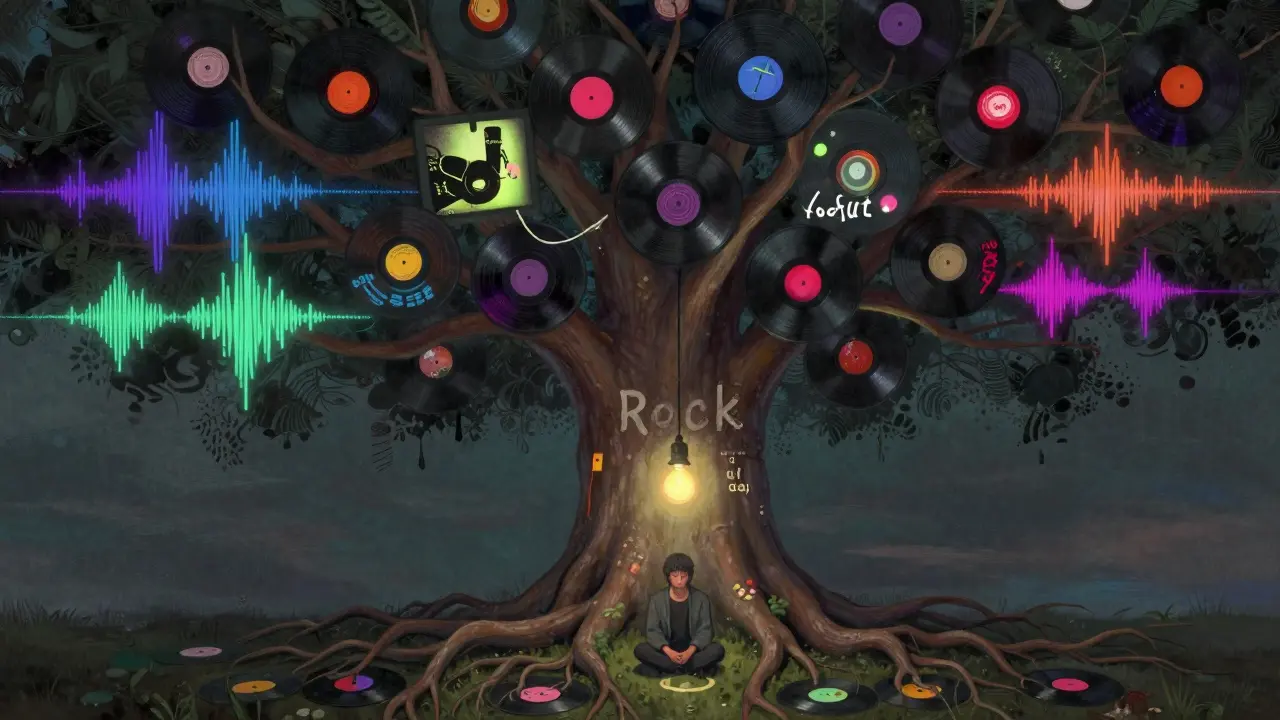
Technology, migration and culture push genres to change. A drum machine or a new production tool can create a whole new sound overnight. Immigrant communities bring rhythms and melodies that blend with local music. That’s how subgenres appear — someone experiments, fans notice, and a new path grows. Keep an ear out for repeated features: a particular rhythm pattern, a vocal style, or a signature instrument. Those are clues to a genre’s identity.
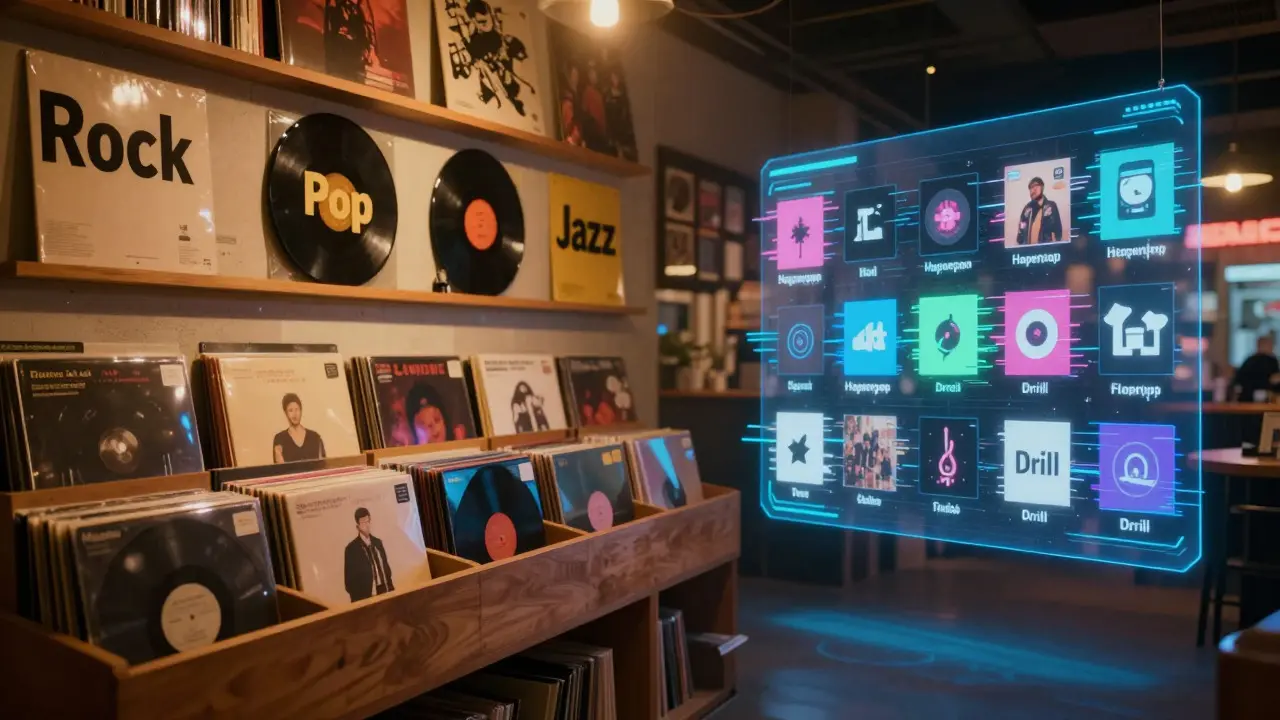
Subgenres are where the interesting stuff lives. They let artists experiment without leaving their fans behind. Look up terms like neo-soul, trap, alt-country or ambient pop. Often a subgenre starts small but later shapes mainstream hits. If you want to spot trends early, follow independent playlists, small labels, and artists on social platforms rather than just top-40 charts.
Quick ways to explore genres
Create tiny listening projects: 10 minutes a day for one week focused on one genre. Use curated playlists labeled by era or mood, not just by the genre name. Attend a live show — live performances reveal details recordings sometimes hide. Talk to someone who loves that genre; recommendations from real fans often beat algorithm suggestions.
Want tools? Use streaming services' radio features to start from one song and let the algorithm expand your list. Search for documentaries or short interviews with artists to hear the story behind the sound. Read liner notes or short articles that explain the social context — those give meaning to the music beyond the beat.
Finally, don't worry about labeling what you love. Genres are handy, but your playlist can break the rules. Mix favorites, explore what catches your ear, and let your musical taste evolve — like the genres you’re exploring, your ears will grow with every new song you try.
Explore how subgenres and micro-genres are reshaping the music industry. From algorithmic curation to niche communities, discover why specific musical identities matter more than ever.
Explore how digital technology and streaming algorithms have fragmented the music industry into countless subgenres. Learn why niche sounds like hyperpop and drill are rising, and what this means for artists and listeners.
Explore the evolution of piano concertos from Bach to modern day. Learn the structure, key composers, and what makes this orchestral form unique.
Explore how digital tools and social media have fragmented music into micro-genres. Discover why subgenres matter, how algorithms shape our taste, and what this means for artists and listeners in 2026.
Explore the evolution of electronic music from early synthesizers to modern AI-driven production. Learn how technology and culture shaped this global phenomenon.
Explore how Rhythm and Blues laid the foundation for modern hip-hop through sampling, groove, and emotional storytelling. Discover the key artists and production techniques that bridge these two iconic genres.
Explore the evolution of rock music in 2026. From AI-driven riffs and genre-fluidity to the analog revival, discover what the future holds for the world's most rebellious sound.
Subgenres in music aren't just labels-they're the hidden forces driving innovation, identity, and discovery. From bedroom pop to blackgaze, they give listeners deeper connections and artists the space to create something truly original.
Subgenres in music aren't just labels-they're emotional codes that define what we connect with. From lo-fi hip hop to blackgaze, they shape taste, community, and identity in ways you might not realize.
Subgenres are the hidden force behind today's global music trends-from hyperpop to afrobeats-driving innovation, cultural exchange, and listener loyalty. Discover how small, niche sounds are reshaping music worldwide.