
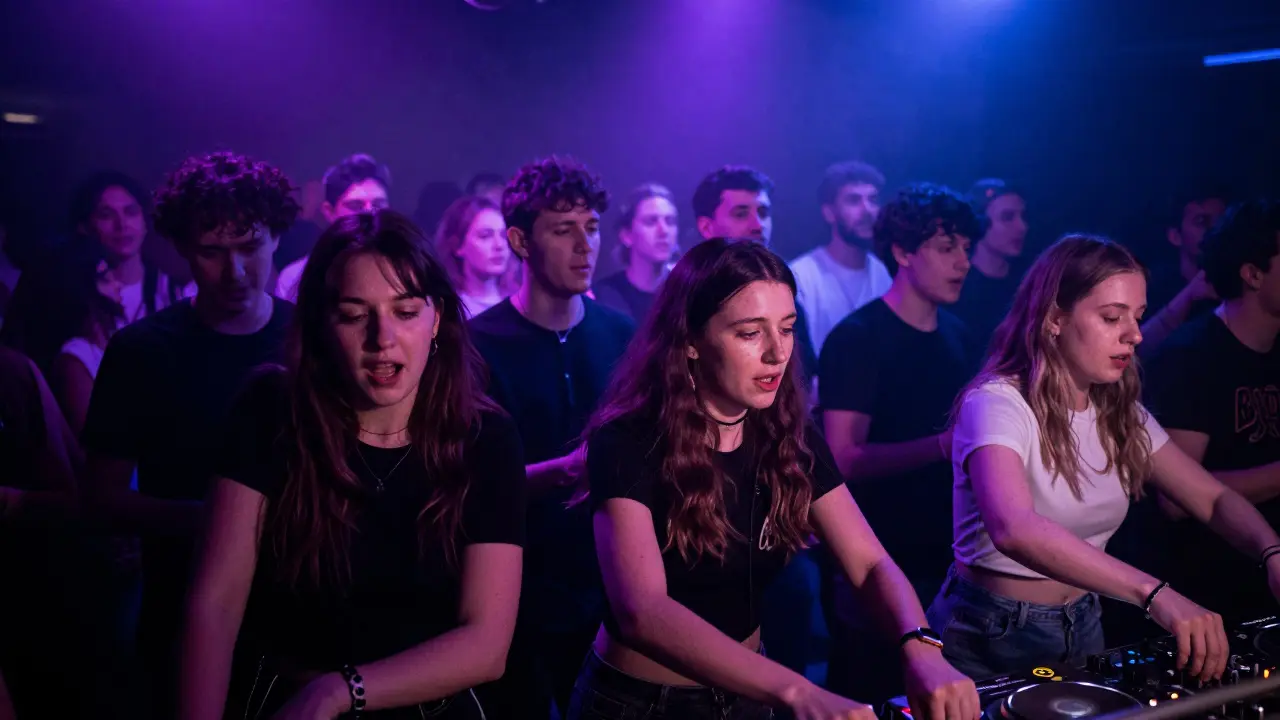
Imagine standing in a crowded room. The lights dim. A low rumble starts in your chest before you even hear it with your ears. Then-drop. The bass hits like a physical blow, shaking the floorboards. Most people just stand there or bob their heads. But you? You know exactly what to do. Your body snaps into motion, matching the chaotic rhythm of the Dubstep is an electronic dance music genre characterized by sparse, syncopated rhythmic patterns typically at between 135 and 140 beats per minute, with the emphasis on the first beat of each bar. This isn't just listening; it's a full-body conversation with sound.
Let’s be honest: dubstep doesn’t come with a rulebook. There’s no instructor handing out choreography sheets for how to move to Skrillex or Rusko. That freedom is both its greatest gift and its biggest hurdle. If you’re looking for the "correct" way to dance to dubstep, you’re barking up the wrong tree. Instead, we’re going to look at the movements that have evolved naturally within the scene-the headbanging, the shoulder shimmies, the deep knee bends-and figure out how to make them work for you without hurting yourself or looking awkward.
The Physics of the Drop
To understand the dance, you have to understand the music. Dubstep is built on tension and release. For minutes, the track might build slowly with hi-hats and atmospheric pads. This is the setup. Your body should mirror this: relaxed, maybe swaying slightly, anticipating the impact. Then comes the drop. The heavy sub-bass kicks in, often accompanied by aggressive synth leads known as "wobbles."
Your movement needs to match this energy shift. When the bass drops, your energy spikes. It’s not a smooth glide; it’s a staccato burst. Think of it like punching the air, but with your whole torso. The key attribute here is timing. In dubstep, the kick drum usually lands on the one, but the interesting stuff happens in the off-beats. Your shoulders might jerk on the snare, while your knees dip on the sub-bass hit. It’s polyrhythmic movement. You aren’t dancing to a single beat; you’re dancing to layers of sound.
If you try to keep a steady, marching pace during a dubset, you’ll feel out of sync. The music demands irregularity. Let your arms hang loose. When a sharp synth stab hits, snap your elbow. When the bass sustains, hold a pose. This call-and-response relationship between the DJ’s mix and your muscles is the core of the experience.
Core Movements: From Headbangs to Shoulder Rolls
While there is no official syllabus, certain moves have become iconic in the dubstep community. These aren’t steps you memorize; they are reactions you cultivate.
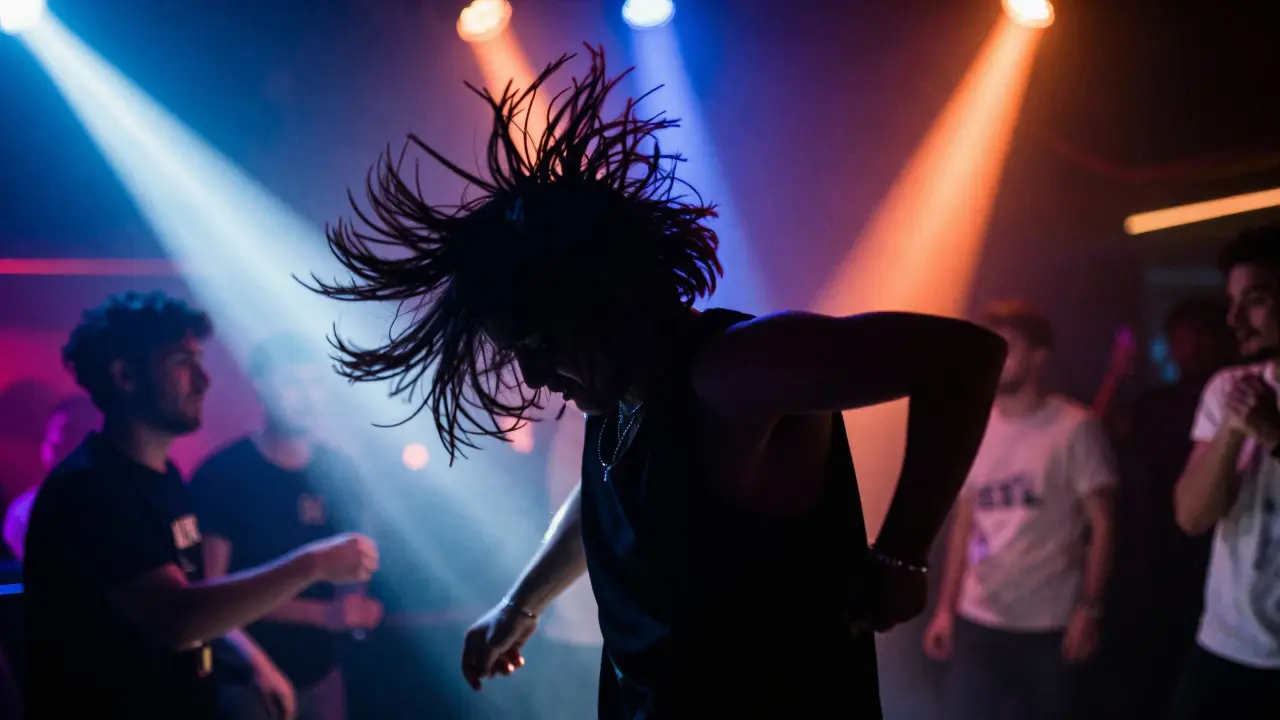
- The Classic Headbang: This is the most recognizable move. As the heavy bass hits, you whip your head down and back up. It looks simple, but doing it safely requires technique. Keep your neck relaxed, not stiff. Use your upper back to initiate the movement, letting your head follow the momentum. Don’t force it from the chin. If you’re new to this, start slow. Rapid, violent headbanging can lead to neck strain if done incorrectly.
- The Shoulder Shimmy: Dubstep synths often have a rapid, oscillating quality (the "wobble"). Mimic this with your shoulders. Isolate your left and right shoulders and shake them rapidly. This adds visual texture to your dancing and matches the frenetic energy of the mid-range frequencies.
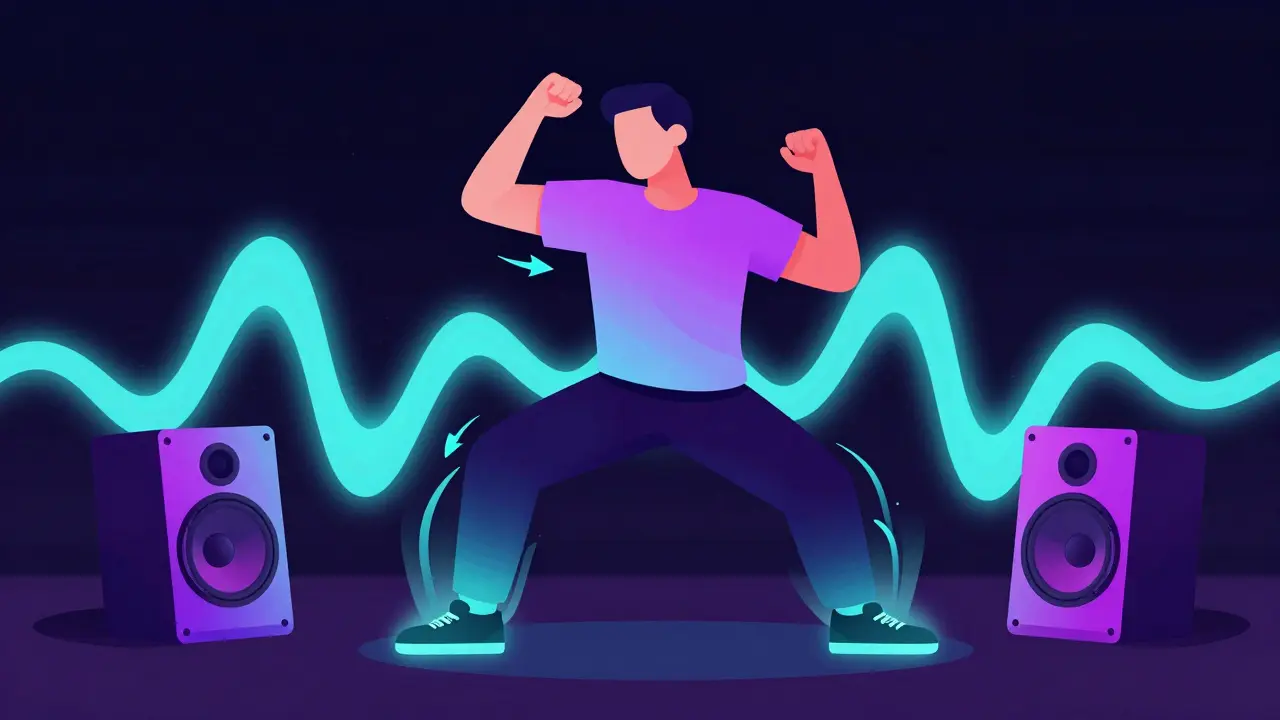
- The Deep Squat: Sub-bass is felt in the lower body. When those 40Hz tones rumble, drop your center of gravity. Bend your knees deeply. It grounds you and allows you to feel the vibration through your legs. It also looks powerful and engaged.
- The Arm Wave: During melodic breakdowns or slower sections, extend your arms and create fluid waves. This contrasts with the sharp movements of the drop, showing range and control.
Combine these elements. You might be squatting to the bass while shimmying your shoulders to the synth. The goal is layering. Don’t just do one thing at a time. Mix and match based on what part of the track is dominating your attention.
Footwork: Staying Grounded in Chaos
Unlike ballet or hip-hop, where footwork is precise and intricate, dubstep dance is largely rooted in place. You don’t need to cross the dance floor. In fact, staying in one spot helps you maintain balance when the music gets intense. However, "standing still" doesn’t mean being rigid.
Use a wide stance. Place your feet shoulder-width apart or wider. This gives you stability. Shift your weight from heel to toe, or side to side, keeping your knees bent. Think of it like surfing on a stationary board. You’re absorbing the shock of the bass rather than fighting it. If the track speeds up, you might add small hops or stomps, syncing your feet with the kick drum. But remember: the upper body does the talking. The feet just keep you upright.
A common mistake beginners make is trying to run around the room. In a mosh pit or a crowded club, this is dangerous. You risk tripping over cables or colliding with others. Stay anchored. Let the music move you vertically and rotationally, not horizontally across the floor.
Safety First: Protecting Your Neck and Joints
Here’s the hard truth: getting too carried away with headbanging can hurt. Whiplash is real. To avoid injury, warm up before you go to the venue. Do some gentle neck rolls and shoulder stretches. When you start headbanging, focus on the power coming from your traps (the muscles connecting your neck to your shoulders), not just your cervical spine.
Also, watch your hydration. Dancing to high-BPM electronic music is physically exhausting. You’re sweating more than you think. Bring water. Take breaks if you feel dizzy. The bass can sometimes cause disorientation due to the pressure changes in your inner ear. If you feel lightheaded, step back from the speakers and breathe. No one will judge you for taking a breather. The vibe is about enjoyment, not endurance sports.
Listen to your body. If your neck feels tight, stop headbanging and switch to arm movements or foot taps. Adaptability is key. The best dancers in the crowd are those who can sustain their energy for hours without burning out or injuring themselves.
Reading the Room: Social Dynamics of the Scene
Dubstep events have a unique social atmosphere. It’s less about showing off individual skill and more about collective energy. You’ll notice clusters of people moving together, feeding off each other’s intensity. This is called "vibe sharing."
If you’re shy, don’t worry. You don’t need to be the center of attention. Find a spot near the front where you can see the DJ and feel the bass. Mirror the energy of the people around you. If everyone is jumping, jump. If everyone is swaying, sway. This creates a sense of belonging. It’s easier to let go when you’re part of a group.
Respect personal space. Even in energetic crowds, consent matters. Avoid hitting others with your elbows or head. Be aware of your surroundings. If someone falls, help them up. The dubstep community values camaraderie. Being considerate enhances the experience for everyone.
Practice Makes Perfect: Training at Home
You don’t need a club to practice. Put on your favorite dubstep playlist at home. Start with tracks that have clear, distinct drops. Listen closely. Identify the different sounds: the kick, the snare, the wobble, the vocal chops.
Assign a movement to each sound. Maybe the kick makes you stomp. The wobble makes you shake your shoulders. Practice these associations until they become automatic. Record yourself on video. Watch it back. Do you look natural? Are you forcing movements? Adjust accordingly. Over time, you’ll develop your own style. Maybe you prefer sharp, robotic movements. Maybe you flow like water. Both are valid. The goal is expression, not replication.
| Movement Type | Best For | Physical Demand | Key Focus Area |
|---|---|---|---|
| Headbanging | Heavy drops, fast BPM | High (Neck/Back) | Rhythm & Impact |
| Shoulder Shimmy | Wobble basslines, mid-tempo | Medium (Shoulders) | Vibration Matching |
| Deep Squat | Sub-bass heavy tracks | High (Legs/Core) | Grounding & Stability |
| Arm Waves | Melodic breakdowns, intros | Low (Arms) | Flow & Expression |
Finding Your Style: Beyond the Basics
Once you master the basics, experiment. Incorporate elements from other genres. Hip-hop grooves can add swagger. Breakdance freezes can punctuate dramatic pauses in the music. There are no rules. The only rule is that it must feel good to you. If you’re smiling and having fun, you’re doing it right. Dubstep dance is about releasing stress, connecting with music, and celebrating the power of sound. So next time the bass drops, don’t just stand there. Move.
Is headbanging safe?
Headbanging can be safe if done correctly. Always warm up your neck and shoulders before starting. Initiate the movement from your upper back and traps, not just your neck muscles. Keep your head relaxed and avoid jerking it violently. If you feel pain or dizziness, stop immediately. Proper technique prevents whiplash and neck strain.
What kind of shoes should I wear to a dubstep event?
Wear comfortable, supportive sneakers with good grip. Avoid heels, sandals, or loose footwear that could trip you or others. Since you’ll likely be standing and shifting weight for hours, cushioning is important to protect your joints from the impact of the bass and the floor vibrations.
Do I need to know choreography to dance to dubstep?
No, dubstep dance is improvisational. There is no set choreography. It’s about reacting instinctively to the music’s rhythms and basslines. Focus on feeling the beat and expressing yourself freely rather than memorizing specific steps.
How can I improve my stamina for dancing?
Improve stamina by staying hydrated, eating light meals before events, and taking regular breaks. Cardiovascular exercise like running or cycling can also boost your overall endurance. Remember to pace yourself; it’s better to dance consistently for hours than to burn out in the first thirty minutes.
What is the "wobble" in dubstep?
The "wobble" is a signature sound in dubstep created by modulating a filter cutoff frequency using an LFO (Low-Frequency Oscillator). This produces a rapid, oscillating effect that listeners often mimic with shoulder shimmies or hand gestures, matching the speed of the modulation.