
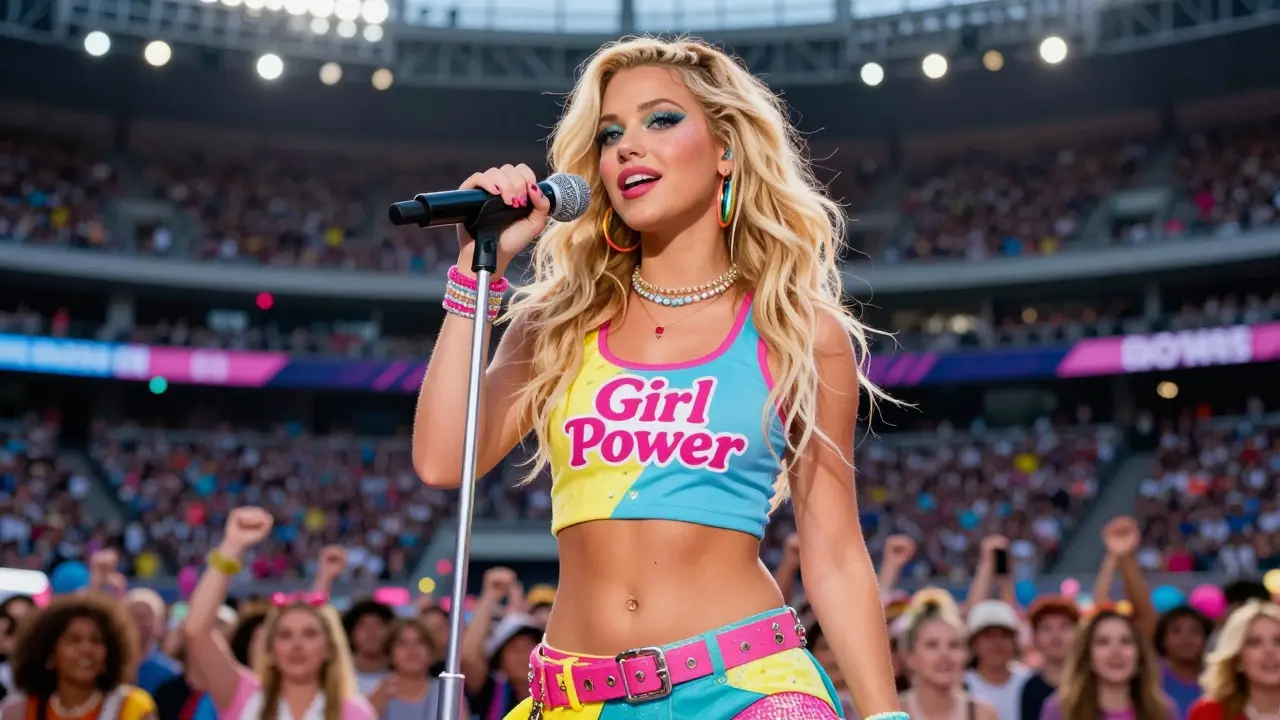
Pop music has always been a mirror for society, but lately, that reflection looks different. It’s sharper, louder, and unapologetically female. If you’ve listened to the charts over the last decade, you haven’t just heard catchy hooks; you’ve heard a movement. We are talking about the rise of feminism in pop music, a shift that moved far beyond simple slogans of "girl power" into complex explorations of agency, mental health, and systemic inequality.
This isn't just about women singing about boys anymore. It’s about women owning their narratives, controlling their masters, and using their massive platforms to challenge the status quo. From the stadium-filling anthems of the mid-2010s to the introspective, genre-bending hits of today, female artists have rewritten the rules of what pop music can say and do. Let’s look at how this transformation happened, who led the charge, and why it matters more than ever in 2026.
The Evolution from Stereotypes to Sovereignty
To understand where we are, we have to look at where we started. For decades, the pop industry was dominated by a male gaze. Female artists were often packaged as objects of desire or relegated to narrow roles: the innocent sweetheart, the sexy bombshell, or the quirky best friend. The lyrics frequently revolved around romantic dependency, waiting for a man to call, or fitting into traditional beauty standards.
Then came the late 90s and early 2000s with acts like Spice Girls and Britney Spears. While they brought undeniable energy and commercial success, their feminism was often marketed rather than intrinsic. It was "Girl Power" as a brand-fun, colorful, and safe for advertisers. But beneath the surface, cracks were forming. Artists began to realize that being liked wasn’t enough; they wanted to be respected.
The real turning point arrived when artists stopped asking for permission. They started writing their own songs, producing their own tracks, and demanding fair pay. This shift from passive subjects to active creators is the core of modern musical feminism. It’s not just about the lyrics; it’s about the business structure, the creative control, and the refusal to be silenced.
The Lioness Era: Beyoncé and Radical Visibility
If there is one artist who catalyzed the modern wave of feminist pop, it’s Beyoncé. Her 2013 self-titled album was a surprise drop that changed the game, but it was her 2016 visual album, Lemonade, that redefined artistic expression for Black women globally. Lemonade explored themes of infidelity, heritage, and resilience through a deeply personal lens.
Beyoncé didn’t just sing about strength; she embodied it. She centered Black culture, featured imagery rooted in Southern Gothic aesthetics, and addressed the pain of betrayal without losing her dignity. This was feminism that acknowledged complexity. It wasn’t about being perfect; it was about being real. The album sparked conversations about race, gender, and class that spilled out of music reviews and into mainstream discourse.
Her influence extended beyond her own catalog. By asserting total creative control and leveraging her economic power, Beyoncé showed other artists that they didn’t need to compromise their vision for radio play. She proved that an artist could be commercially dominant while remaining critically acclaimed and politically charged. This paved the way for others to take similar risks.
Taylor Swift: Owning Your Narrative
While Beyoncé focused on cultural visibility, Taylor Swift fought a different battle: ownership. For years, Swift navigated the industry as a songwriter whose work was owned by others. Her public disputes over the masters of her early albums highlighted a harsh reality in the music business: even if you write the hit, you might not own it.
Swift’s decision to re-record her first six albums, releasing them as "Taylor’s Version," was a masterclass in feminist economics. It wasn’t just a protest; it was a practical solution that empowered fans and undermined the value of the original recordings. This move resonated deeply because it addressed a universal frustration: the lack of control women often face over their own bodies and careers.
Furthermore, Swift’s lyrical evolution mirrors this journey. Early songs dealt with teenage heartbreak, but albums like Folklore and Evermore showcased a maturity and narrative depth that defied the "pop princess" stereotype. She used storytelling to explore isolation, nature, and historical figures, proving that female voices could handle nuanced, literary themes in a pop context. Her advocacy also extended to voting rights and disaster relief, showing that celebrity influence could drive civic engagement.
Billie Eilish and the New Vulnerability
As we moved into the 2020s, the tone shifted again. Enter Billie Eilish, who represented a generation less interested in polished perfection and more focused on raw authenticity. Growing up online, Eilish understood that vulnerability could be a form of strength. Her music often tackles body image, mental health, and the pressure of fame, topics that many young women relate to but rarely hear discussed openly.
Eilish’s aesthetic rejected traditional sexualization. Instead of wearing revealing outfits to appeal to a male audience, she wore oversized clothing to reclaim her space and comfort. This choice was a direct rebuttal to the industry’s expectation that female stars must be sexually available to be relevant. Songs like "Ocean Eyes" and later, "What Was I Made For?", explore existential dread and emotional fragility, validating feelings that are often dismissed as weakness.
This approach resonated with Gen Z listeners who prioritize mental well-being and authenticity. Eilish’s success demonstrated that you don’t need to project invincibility to be powerful. Sometimes, admitting you’re struggling is the most radical act of all. This shift broadened the definition of feminist pop to include internal battles, not just external triumphs.
| Artist | Core Theme | Impact on Industry |
|---|---|---|
| Beyoncé | Cultural Heritage & Resilience | Normalized visual albums and Black-centric narratives |
| Taylor Swift | Ownership & Autonomy | Changed contracts and fan engagement strategies |
| Billie Eilish | Mental Health & Authenticity | Shifted aesthetics away from sexualization |
| Dua Lipa | Sexual Liberation & Joy | Revived disco-pop with confident, unapologetic lyrics |
| Lizzo | Body Positivity & Self-Love | Challenged beauty standards in mainstream media |
Beyond the Big Three: Diversity in Voices
Feminism in pop music isn’t a monolith. It includes artists who celebrate sexuality, those who advocate for body positivity, and others who address political activism. Dua Lipa, for instance, embraced a retro-disco sound that emphasized joy, confidence, and sexual liberation. Her album Future Nostalgia became an anthem for dancing your way out of hardship, promoting the idea that pleasure and fun are valid forms of resistance.
Similarly, Lizzo brought body positivity to the forefront. In an industry obsessed with thinness, Lizzo’s presence was disruptive. She played the flute, sang about loving her curves, and encouraged listeners to do the same. Her success challenged the notion that only certain body types could be pop stars, expanding the visual landscape of the genre.
We also see rising voices from Latinx, Asian, and Indigenous communities adding their unique perspectives. Artists like Rosalía blend flamenco with urban beats, celebrating Spanish heritage while maintaining fierce independence. Olivia Rodrigo captured the angst of growing up female in the digital age, giving voice to a generation navigating social media pressures and complex friendships. These diverse stories enrich the feminist conversation, showing that there is no single way to be a woman in music.
The Business Side: Equity and Representation
Feminism in pop music isn’t just lyrical; it’s structural. Behind the scenes, women are fighting for equal pay, better representation in production roles, and safer working environments. Organizations like Women in Music and Geena Davis Institute on Gender in Media have pushed for data transparency, revealing stark disparities in airplay and festival lineups.
In recent years, we’ve seen more women stepping into producer and engineer roles. Producers like Max Martin have long shaped pop sounds, but now, women like Shellback (who collaborates closely with female artists) and emerging producers like Rostam and Finneas are gaining recognition. More importantly, female artists are hiring female teams, creating ecosystems where women support each other’s growth.
The #MeToo movement also had a profound impact on the music industry. It led to stricter codes of conduct at awards shows and festivals, ensuring that artists and staff feel safe from harassment. This cultural shift has made it possible for younger artists to enter the industry with higher expectations for respect and professionalism.
Challenges and Criticisms
Despite progress, challenges remain. Some critics argue that corporate feminism co-opts genuine movements for profit, turning activism into a marketing trend. There’s also the issue of intersectionality: does mainstream feminist pop truly represent women of color, LGBTQ+ individuals, and those from lower socioeconomic backgrounds?
Additionally, the pressure to be a "role model" can be burdensome. Artists are expected to speak out on every issue, which can lead to burnout. Navigating public scrutiny while trying to create art is difficult, and mistakes are often amplified. Yet, despite these hurdles, the momentum continues. Fans hold artists accountable, pushing for consistency between their messages and actions.
Looking Ahead: The Future of Feminist Pop
As we move further into the 2020s, the next generation of pop stars is building on this foundation. They are more digitally native, more globally connected, and more aware of their rights. We can expect to see even greater diversity in genres, with pop blending seamlessly with K-pop, Afrobeats, and regional Mexican music.
The future of feminism in pop music will likely focus on sustainability, both environmentally and personally. Artists may prioritize longevity over viral moments, choosing projects that align with their values rather than chasing trends. Collaboration will continue to thrive, breaking down silos between genders and cultures.
Ultimately, the rise of feminism in pop music reflects a broader societal shift towards equality and authenticity. It’s a reminder that music is not just entertainment; it’s a tool for change. As long as women continue to tell their stories honestly and boldly, pop music will remain a powerful force for empowerment.
Who is considered the biggest influence on modern feminist pop music?
Beyoncé is widely regarded as a pivotal figure, particularly after her 2016 album Lemonade, which centered Black womanhood and resilience. However, Taylor Swift’s fight for ownership and Billie Eilish’s focus on mental health have also significantly shaped the current landscape.
How has Taylor Swift contributed to feminism in the music industry?
Taylor Swift championed artist ownership by re-recording her early albums to regain control of her masters. This move highlighted issues of intellectual property rights and inspired other artists to negotiate better contracts. Her lyrical evolution also demonstrated that female songwriters could tackle complex, mature themes.
What role does mental health play in contemporary feminist pop?
Artists like Billie Eilish and Olivia Rodrigo have normalized discussions around anxiety, depression, and body image. By sharing their struggles, they reduce stigma and validate the experiences of young listeners, framing vulnerability as a source of strength rather than weakness.
Is feminism in pop music just a marketing trend?
While some corporations may co-opt feminist language for profit, many artists engage in genuine activism. They use their platforms to advocate for policy changes, support marginalized communities, and demand equitable treatment within the industry, demonstrating commitment beyond mere branding.
How has the representation of women in production roles changed?
There has been a gradual increase in female producers and engineers, driven by initiatives aimed at closing the gender gap. Artists are increasingly hiring women for key creative roles, fostering supportive networks and challenging the historically male-dominated technical side of music production.