
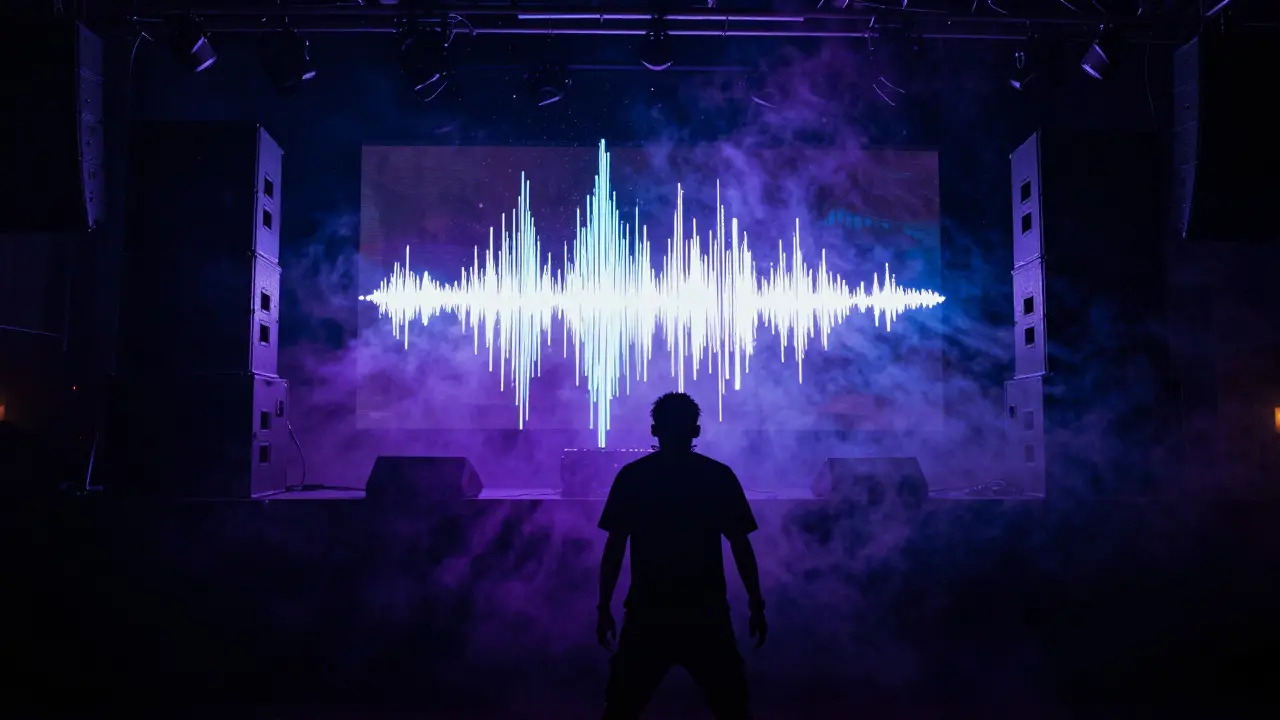
Imagine standing in a dark room. The air is thick with anticipation. Then, it hits. That heavy, wobbling bassline that doesn't just enter your ears but vibrates through your chest cavity. You feel the floor shake beneath your feet. This isn't classical music; this is Dubstep, a genre of electronic dance music characterized by sparse, syncopated rhythmic patterns and a dominant sub-bass frequency. And if you’re wondering how to move to this sound, you’ve stumbled into one of the most misunderstood corners of club culture.
There is no single "Dubstep Dance." There isn’t a choreographed routine like ballet or salsa. Instead, there is a collection of physical reactions to extreme low-frequency audio. Some people call it dancing. Others call it survival. But for those who know, it’s a visceral connection between human body and machine-generated sound. Whether you are preparing for your first EDC (Electric Daisy Carnival) or just trying to survive a local warehouse party, understanding these movements can save your neck-and make you look like you belong.
The Physics of the Drop: Why We Move Differently
To understand the dance, you have to understand the music. Unlike pop songs with steady 4/4 beats, dubstep relies on half-time rhythms. The tempo usually sits around 140 BPM, but the feel is often half that speed-70 BPM. This creates a slow, heavy groove that demands a different kind of energy from your body.
When the "drop" happens-the moment the melody strips away and the bass takes over-your body reacts instinctively. The sub-bass frequencies (often below 60 Hz) create a physical pressure wave. In a well-designed club or festival stage, these waves are powerful enough to rattle your ribcage. Your movement is essentially a way to manage that kinetic energy. You aren't just stepping to a beat; you are grounding yourself against a sonic force.
This explains why dubstep dancing looks so chaotic compared to house or techno. House music encourages repetitive, circular motion because the beat is constant. Dubstep is erratic. It stops, starts, glitches, and explodes. Your body has to mirror that unpredictability. If you try to do smooth, flowing moves during a heavy dubstep drop, you’ll look out of sync. The key is to match the aggression and the weight of the sound.
The Three Pillars of Bass Movement
While every dancer is unique, three distinct styles dominate the scene. Knowing which one suits you helps you navigate the crowd safely and confidently.
1. The Headbang (The Classic)
If you see someone whipping their hair back and forth in time with the snare hits, they are headbanging. This originated in metal culture but found a second home in dubstep due to the shared emphasis on heavy, distorted sounds.
How to do it: Keep your arms loose at your sides. Relax your shoulders. Let the momentum come from your torso, not just your neck. Snap your head forward and let it swing back naturally. Do not force it. If your neck hurts, stop immediately. Hydration matters here more than anywhere else.
2. The Crash (The Mosh Pit)
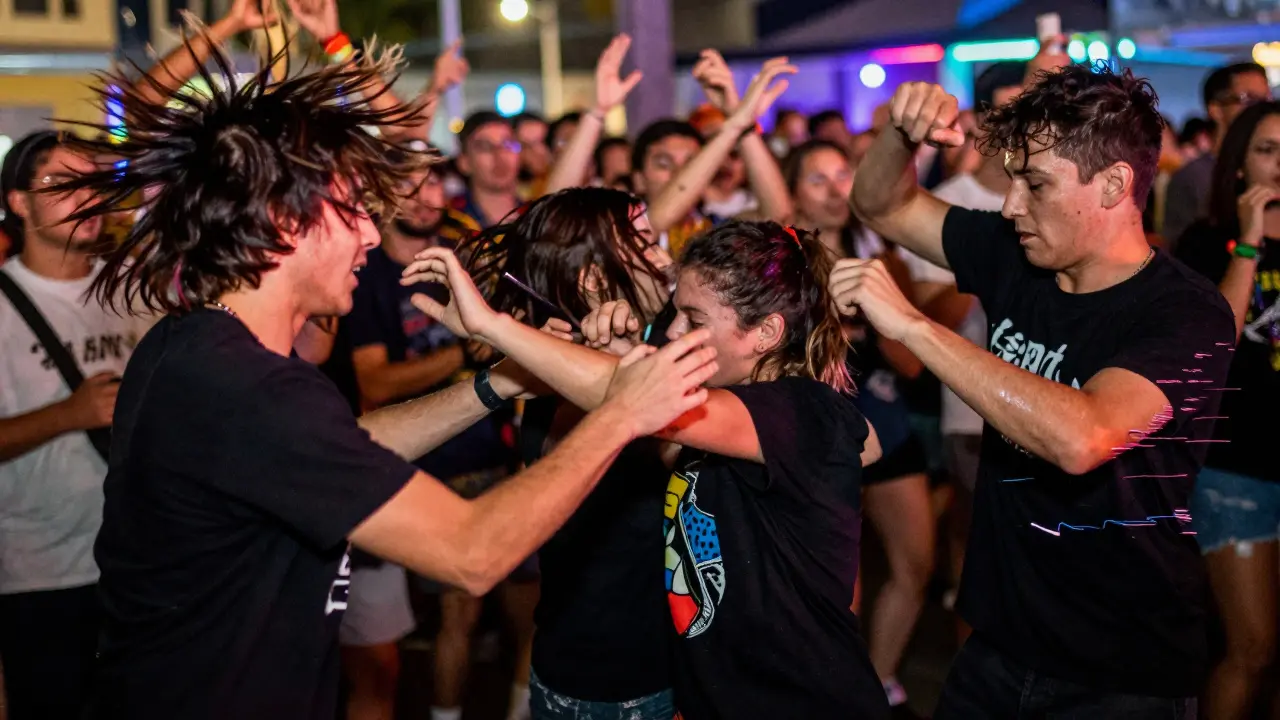
This is the high-energy, aggressive style often seen in larger crowds. It involves pushing, shoving, and jumping in unison. It’s not about fighting; it’s about releasing adrenaline together. Think of it as a collective exorcism of stress.
How to do it: Stand with your feet shoulder-width apart. When the beat drops, jump slightly and extend your arms outward. If someone bumps into you, absorb the impact and keep moving. The golden rule of crashing: if you fall down, get up immediately. Leaving someone on the ground is the ultimate sin in mosh pit etiquette.
3. The Robot/Glitch (The Technical)
Dubstep production often features "glitchy" sounds-stuttering vocals, chopped-up melodies, and robotic noises. Some dancers mimic this by locking their joints and moving in sharp, angular bursts. It’s less about cardio and more about precision.
How to do it: Isolate parts of your body. Freeze your upper body while your legs move, then freeze your legs while your arms jerk. Try to sync your movements with the specific glitch effects in the track. It requires listening closely to the DJ’s mix.
| Style | Energy Level | Best For | Risk Factor |
|---|---|---|---|
| Headbanging | Medium | Solo dancing, long sets | Neck strain |
| Crashing/Moshing | High | Crowds, peak hours | Collisions, falls |
| Robot/Glitch | Low-Medium | Small groups, technical tracks | Joint stiffness |
Essential Gear: Protecting Your Body
You wouldn’t run a marathon in flip-flops. Similarly, dancing to dubstep requires specific gear. The vibrations are intense, and the environment is often hot and crowded.
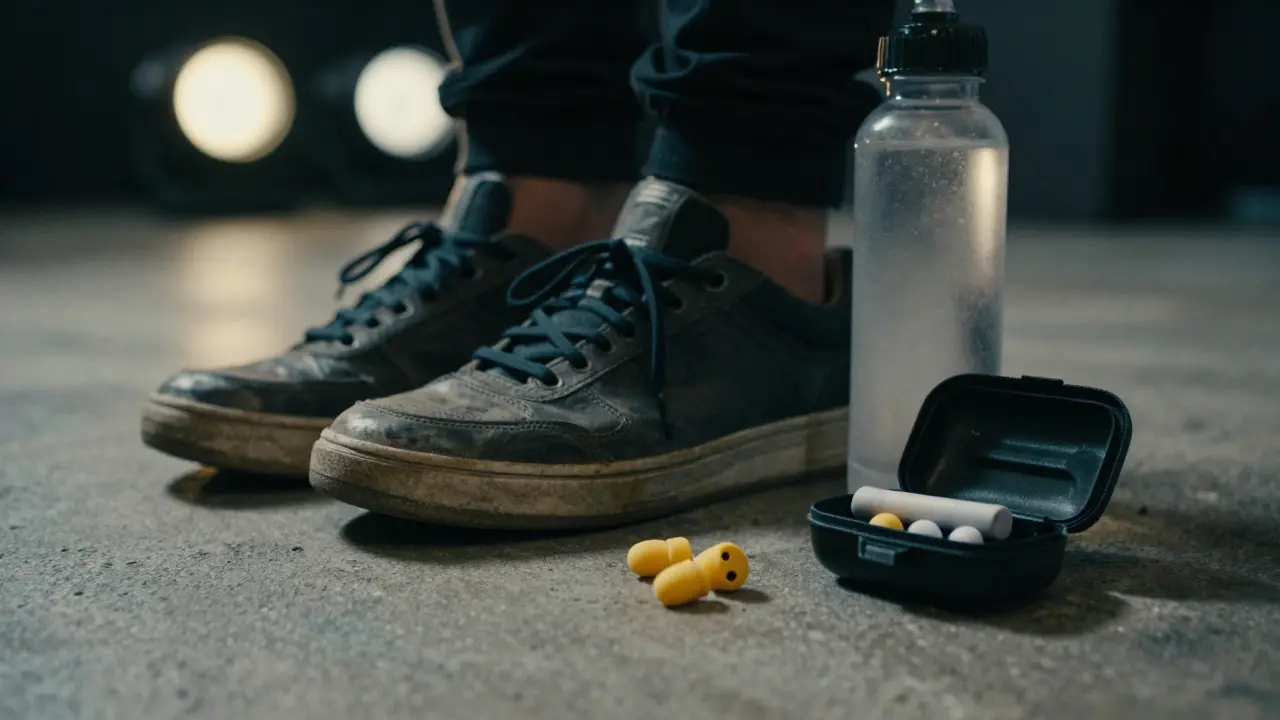
- Footwear: Wear closed-toe shoes with good ankle support. Sneakers with flat soles are ideal. Avoid heels or sandals. Your feet will be pounding the concrete or grass for hours.
- Hearing Protection: This is non-negotiable. Use high-fidelity earplugs (like Loop or Eargasm). They reduce volume without distorting the music. Without them, you risk permanent hearing damage within minutes of a loud set.
- Hydration Station:
- Clothing: Dress in layers. You will sweat profusely. Breathable fabrics like cotton or moisture-wicking synthetics work best. Avoid heavy jackets unless it’s an outdoor night event.
Navigating the Crowd: Safety First
The biggest challenge in dubstep dancing isn’t the moves-it’s the space. Crowds at bass music festivals can be dense and unpredictable. Here’s how to stay safe while still enjoying the experience.
Find Your Zone: Not everyone wants to crash. Most venues have a gradient of intensity. The area directly in front of the stage is usually the wildest. As you move back, the crowd becomes more relaxed. Find a spot where you feel comfortable. You don’t need to be in the front row to feel the bass.
Read the Room: Before joining a mosh pit, observe. Are people smiling? Are they helping each other up? If the vibe feels hostile or violent, step back. True bass culture is inclusive and supportive. Aggression is directed at the music, not at people.
Create Space: If you’re tired, raise your hands above your head. This signals to others that you need breathing room. Most experienced dancers will respect this gesture and give you a wider berth.
Common Mistakes Beginners Make
I’ve seen plenty of newcomers walk into a dubstep set with big expectations and leave with sore muscles and confusion. Here’s what to avoid:
- Trying to Dance the Whole Set: Dubstep DJs often play long intros and breakdowns. These are moments to rest, chat, or hydrate. Save your energy for the drops. Dancing during a quiet atmospheric section looks awkward and drains you unnecessarily.
- Ignoring Neck Pain: Headbanging feels great until it doesn’t. If you feel a pinch or strain, switch to foot-tapping or arm waving. Your cervical spine is not indestructible.
- Blocking View: Be aware of your height and position. If you’re tall, stand further back. Don’t lean over people’s heads. Respect the community’s unwritten rules about visibility.
- Overcomplicating Moves: You don’t need to learn complex choreography. Simple, raw movements connect better with the music. Authenticity beats technique every time in this genre.
From Ravers to Robots: The Evolution of Bass Dance
Dubstep didn’t start in America. It emerged in South London in the late 1990s, influenced by reggae, dub, and garage. Early dubstep was subtle, focusing on deep sub-bass and minimal percussion. The dancing reflected this: slow, swaying, almost meditative.
As the genre crossed the Atlantic, it mutated. American producers like Skrillex added aggressive synth leads and faster rhythms. This "brostep" era brought higher energy and more chaotic dancing. The headbang became standard. Later, genres like Trap and Future Bass blended with dubstep, introducing even more varied dance styles, including popping and locking elements.
Today, the scene is diverse. You might see traditional headbangers next to breakdancers, all united by the love of heavy bass. Understanding this history helps you appreciate that there’s no "wrong" way to dance-as long as you’re feeling the music.
Practice Tips for Home
You don’t need a festival ticket to practice. Here’s how to prepare at home:
- Curate a Playlist: Start with classic tracks by artists like Skrillex, Rusko, or Benga. Listen actively. Identify where the drops are.
- Mirror Work: Practice your headbangs or robot moves in front of a mirror. Check your form. Are your shoulders tense? Is your posture upright?
- Cardio Conditioning: Dubstep dancing is surprisingly aerobic. Incorporate interval training into your workout routine. Short bursts of high intensity followed by rest periods mimic the structure of a dubset.
- Core Strength: A strong core protects your back and neck during vigorous movement. Planks and Russian twists are excellent exercises for dancers.
Is headbanging dangerous?
Headbanging can cause neck strain or injury if done incorrectly. To minimize risk, relax your neck muscles, use your torso to generate momentum, and take breaks. If you feel pain, stop immediately. People with pre-existing neck conditions should avoid vigorous headbanging.
What shoes should I wear to a dubstep concert?
Wear sturdy, closed-toe sneakers with good grip and ankle support. Avoid open-toed shoes, heels, or boots with laces that can catch on things. Comfort is key since you'll likely be standing and moving for several hours.
Do I need to know choreography to dance to dubstep?
No, dubstep dancing is largely improvisational. There is no set choreography. Focus on reacting naturally to the beat and bass. Simple movements like headbanging, jumping, or arm waving are perfectly acceptable and common.
How do I join a mosh pit safely?
Observe the pit first to gauge the intensity. Enter slowly, keep your arms bent at your elbows to protect yourself and others, and maintain balance. If you fall, curl into a ball and protect your head, then get up as quickly as possible. Always help others who fall.
Why does dubstep make me want to move aggressively?
Dubstep uses heavy sub-bass frequencies and irregular, syncopated rhythms that trigger a primal physical response. The sudden drops and intense volume stimulate adrenaline release, leading to energetic and sometimes aggressive movements as a natural outlet for that energy.