

There is a specific kind of silence that follows a breakup. It’s not just quiet; it’s heavy. You’re sitting on your couch, staring at a phone that isn’t going to ring, wondering how you missed the signs. In that moment, pop radio feels like noise. Rock feels too aggressive. But then, a voice cuts through the static-raw, unpolished, and devastatingly honest. That is Soul Music, a genre rooted in African American gospel traditions that blends rhythm and blues with deep emotional expression. It doesn't try to fix you. It sits beside you.
We often talk about music as entertainment, but when your heart is shattered, you don’t need entertainment. You need validation. Soul music has been doing this work since the late 1950s. From the smoky clubs of Detroit to the polished studios of Memphis, artists have turned personal pain into universal anthems. If you are hurting right now, let’s look at why this specific sound works so well for the brokenhearted.
The Anatomy of Grief in Sound
Why does Soul Music hit different? It comes down to the structure. Unlike modern pop, which often prioritizes production over performance, soul places the human voice front and center. Think about Aretha Franklin. When she sings "I Never Loved a Man (The Way I Love You)," you can hear the cracks in her voice. You can hear the breath before the note. That imperfection is what connects us.
The genre relies heavily on call-and-response patterns derived from church services. This creates a dialogue between the singer and the listener. You feel like the song is talking directly to you. The tempo is usually slow or mid-tempo, allowing space for the lyrics to sink in. There are no frantic beats to distract you from the pain. Just a steady heartbeat, mimicking the rhythm of mourning.
- Vocal Authenticity: Artists prioritize emotion over technical perfection. A cracked voice signals real pain.
- Minimalist Arrangements: Piano, bass, and drums create a sparse landscape where the lyrics stand out.
- Gospel Roots: The musical language borrows from spirituals, treating secular love with the same intensity as religious devotion.
The Pioneers Who Turned Pain into Power
To understand the comfort soul offers, we have to look at the architects. Otis Redding didn’t just sing about sadness; he embodied it. His track "Try a Little Tenderness" is a masterclass in vulnerability. Listen closely to his delivery. He sounds exhausted. He sounds defeated. And yet, there is a dignity in his surrender. That resonance helps listeners accept their own exhaustion after a breakup.
Then there is Marvin Gaye. While known for romance, his later work explored deeper existential dread. But even in his earlier hits, the interplay between him and Tammi Terrell created a tension that felt like a relationship on the brink of collapse. For those who feel they gave everything and got nothing back, Gaye’s harmonies provide a mirror.
Al Green deserves special mention here. His album Let's Stay Together is essentially a study in codependency and regret. Songs like "Tired of Being Alone" capture the desperate hope that maybe, just maybe, things will be different this time. If you are stuck in the "what if" phase of grief, Al Green understands you.
| Artist | Signature Song | Emotional Theme | Best Listened To When... |
|---|---|---|---|
| Aretha Franklin | I Never Loved a Man | Betrayal and Anger | You need to release pent-up rage |
| Otis Redding | (Sittin' On) The Dock of the Bay | Melancholy and Reflection | You are processing loss quietly |
| Sam Cooke | A Change Is Gonna Come | Hope amidst Struggle | You are looking for a reason to keep going |
| Etta James | At Last | Relief and Joy | You are finally accepting the end |
The Science of Why Soul Heals
This isn’t just poetic license. There is biology behind why Soul Music soothes the brain. Studies in music therapy suggest that listening to sad music can actually reduce stress levels. It triggers the release of prolactin, a hormone associated with soothing and comfort. When you cry while listening to Etta James, your body is literally washing away cortisol.
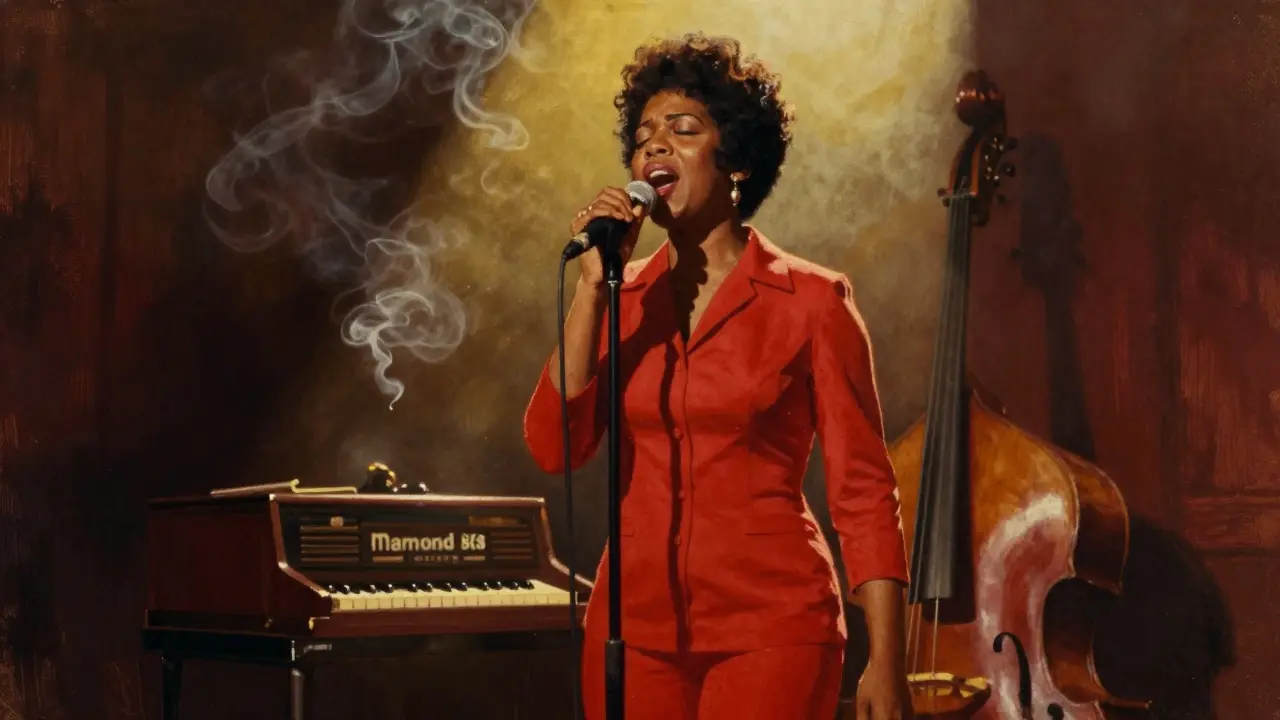
Soul music also promotes emotional catharsis through shared experience. By hearing someone else articulate the exact feeling you are struggling to name, you feel less alone. This is known as "social surrogacy." The artist becomes a companion in your grief. The rich instrumentation-often featuring Hammond B3 organs and string sections-activates the auditory cortex in ways that mimic human speech patterns, creating a sense of being held.
Furthermore, the repetitive nature of soul hooks provides a predictable structure in an unpredictable emotional state. When your life feels chaotic because of a breakup, the consistent rhythm of a drum machine or a live drummer grounds you. It gives your mind a safe place to rest.
From Motown to Muscle: Finding Your Sound
Not all soul sounds the same, and your grief might require different flavors. Motown, based in Detroit, offered a more polished, pop-friendly sound. Artists like Diana Ross or The Supremes delivered heartbreak with elegance. If you want to feel dignified while crying, go for Motown. It’s clean, controlled, and sophisticated.
On the other hand, Stax Records in Memphis produced "Muscle Shoals" soul. This was grittier, louder, and more raw. Think Wilson Pickett or Isaac Hayes. This style is better if you need to scream into a pillow. The distortion in the guitar, the pounding drums-it matches the intensity of acute rejection.
For those interested in the evolution, Neo-Soul brought these elements into the 90s and 2000s. Artists like Erykah Badu and D’Angelo added jazz influences and laid-back beats. This is perfect for the "long-term" phase of heartbreak, where anger has faded into a gentle, lingering sadness.

Creating Your Healing Playlist
How do you use this music effectively? Don’t just shuffle it. Curate it. Create a playlist that moves through the stages of grief. Start with high-energy tracks that allow you to vent frustration. Move into mid-tempo songs for reflection. End with slower, instrumental-heavy pieces for acceptance.
- The Venting Phase: Start with Aretha Franklin’s "Chain of Fools" or Otis Redding’s "These Arms of Mine." Let the volume up. Cry loudly.
- The Reflection Phase: Switch to Sam Cooke’s "Cupid" or Marvin Gaye’s "When I’m Alone." These songs encourage introspection without overwhelming aggression.
- The Acceptance Phase: Finish with Etta James’ "At Last" or Nina Simone’s "My Baby Just Loves Me." These tracks offer a sense of closure and peace.
Listen actively. Put down your phone. Close your eyes. Focus on the texture of the voice. Notice how the singer pauses before a chorus. That pause is where the emotion lives. By mirroring that pause in your own breathing, you regulate your nervous system.
Modern Echoes of Classic Soul
You don’t have to stick to records from the 60s. Contemporary artists continue this tradition. Alicia Keys brings piano-driven soul that feels intimate and direct. Her ballads often tackle betrayal with a clarity that resonates with younger audiences. Similarly, John Legend uses smooth vocals to explore the complexities of modern relationships.
R&B artists like H.E.R. blend soul with contemporary production, creating a bridge between the past and present. Her instrumental skills allow for moments of pure musical expression that words cannot capture. If you find older soul too distant, these modern interpreters can help you connect with the genre’s core emotions.
Remember, the goal isn’t to forget the person who broke your heart. The goal is to remember yourself. Soul music reminds you that your capacity to love deeply is not a flaw; it is a strength. The pain you feel is proof of that strength. Let the music validate it, then let it guide you back to wholeness.
Is it okay to listen to sad music when I'm depressed?
Yes, in moderation. Research suggests that listening to sad music can provide emotional catharsis and reduce feelings of loneliness. However, if you find yourself spiraling into negative thoughts, balance it with uplifting tracks or seek professional support.
What is the difference between Soul and R&B?
Soul music originated in the 1950s and 60s, heavily influenced by gospel music and characterized by strong vocal performances and emotional depth. R&B (Rhythm and Blues) evolved from soul but incorporates more contemporary production techniques, electronic instruments, and hip-hop influences.
Who is considered the Queen of Soul?
Aretha Franklin is widely recognized as the Queen of Soul. Her powerful voice, dynamic range, and ability to convey deep emotion in songs like "Respect" and "I Never Loved a Man" cemented her legacy.
Can music really help heal a broken heart?
While music isn't a cure, it acts as a powerful tool for emotional regulation. It helps process grief, reduces stress hormones, and provides a sense of connection. Many therapists use music as part of a broader healing strategy.
What are some essential Soul albums for beginners?
Start with Aretha Franklin's "I Never Loved a Man," Otis Redding's "Otis Blue," and Marvin Gaye's "In the Groove." These albums showcase the diversity and emotional power of the genre.