
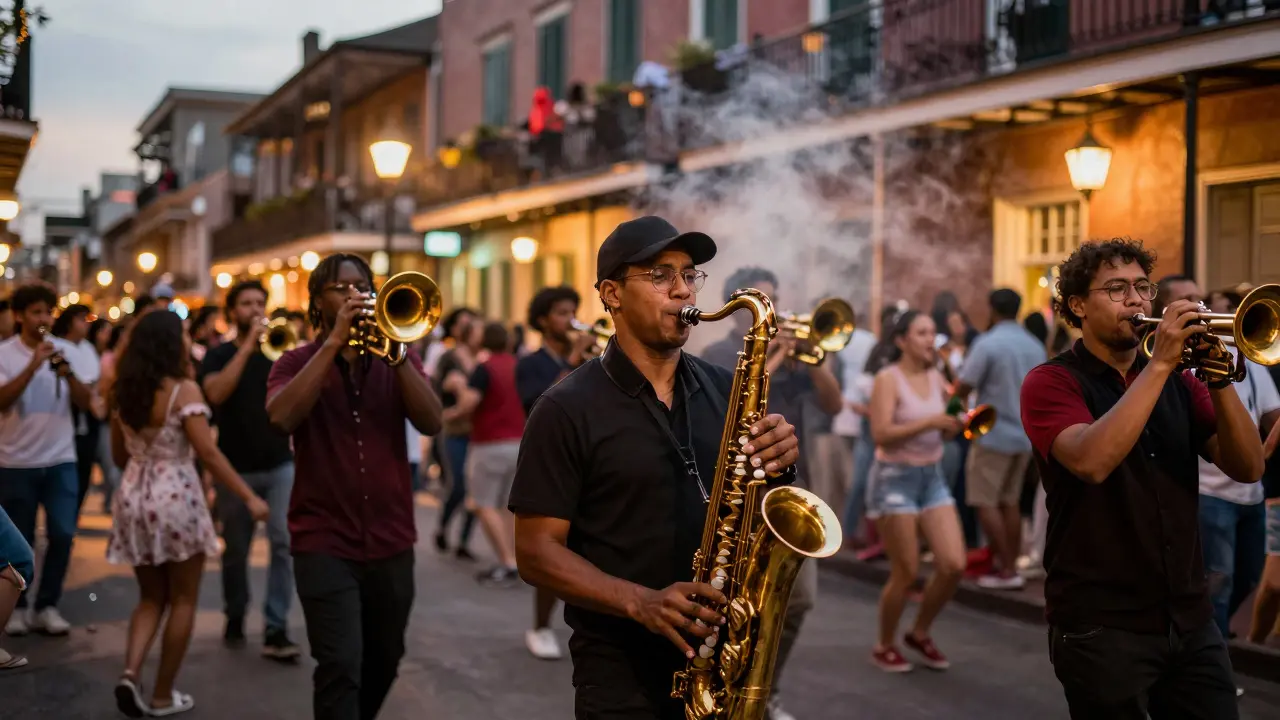
Imagine walking into a smoky club in New Orleans, where the trumpet wails with a raw, street-corner energy. Now picture yourself in a sleek, modern venue in Tokyo, where the same instrument is played with surgical precision and complex harmonic structures. It’s the same genre-Jazz is a musical form that originated in the late 19th and early 20th centuries in African American communities in New Orleans, characterized by improvisation, swing, and syncopation. Yet, it sounds completely different depending on where you are standing. That’s because jazz isn’t just a set of rules; it’s a chameleon. It absorbs the local culture, language, and social rhythm of every place it touches.
If you think jazz stopped evolving after the bebop era of the 1940s, you’re missing half the story. Today, the global jazz scene is more vibrant than ever, but it looks nothing like its American roots. From the Afro-Cuban rhythms shaking up Havana to the electronic-infused beats pulsing through Berlin’s underground clubs, jazz has gone native everywhere. Let’s look at how specific countries have rewritten the script.
The Birthplace: New Orleans and the Soul of America
You can’t talk about jazz without starting in New Orleans. This city didn’t just invent jazz; it built the DNA that every other version of the genre still carries. The unique mix of French, Spanish, African, and Caribbean influences created a cultural pressure cooker. When Congo Square opened for enslaved people to gather and play drums on Sundays, the stage was set for a new kind of music.
In New Orleans, jazz is communal. It’s not something you sit quietly and listen to in a concert hall (though that exists too). It’s something you dance to, shout over, and feel in your chest during parades. The sound here is often brass-heavy, rhythmic, and deeply rooted in second-line traditions. If you visit today, you’ll hear bands playing in Preservation Hall or wandering through the French Quarter. The key takeaway? In the US South, jazz is tied to celebration, resilience, and community gathering. It’s loud, it’s proud, and it refuses to be polished away.
France: The Intellectual Embrace of Jazz
Cross the Atlantic to Paris, and the vibe shifts dramatically. France has always had a special love affair with jazz, dating back to the 1920s when many Black American musicians fled racial segregation in the US for the relative freedom of Europe. Paris became a sanctuary for legends like Sidney Bechet and later, Dizzy Gillespie.
French jazz tends to be more intellectual and lyrical. There’s a strong tradition of vocal jazz here, with singers treating the French language as an instrument itself. Artists like Stéphane Grappelli helped define the Gypsy Jazz style, which blends Romani violin techniques with swing rhythms. Today, venues like Le Baiser Salé in Montmartre keep this legacy alive. The French approach emphasizes melody and sophistication. You won’t hear as much chaotic energy as in New Orleans, but you will find intricate compositions and a deep respect for the history of the art form.
Japan: Precision Meets Passion
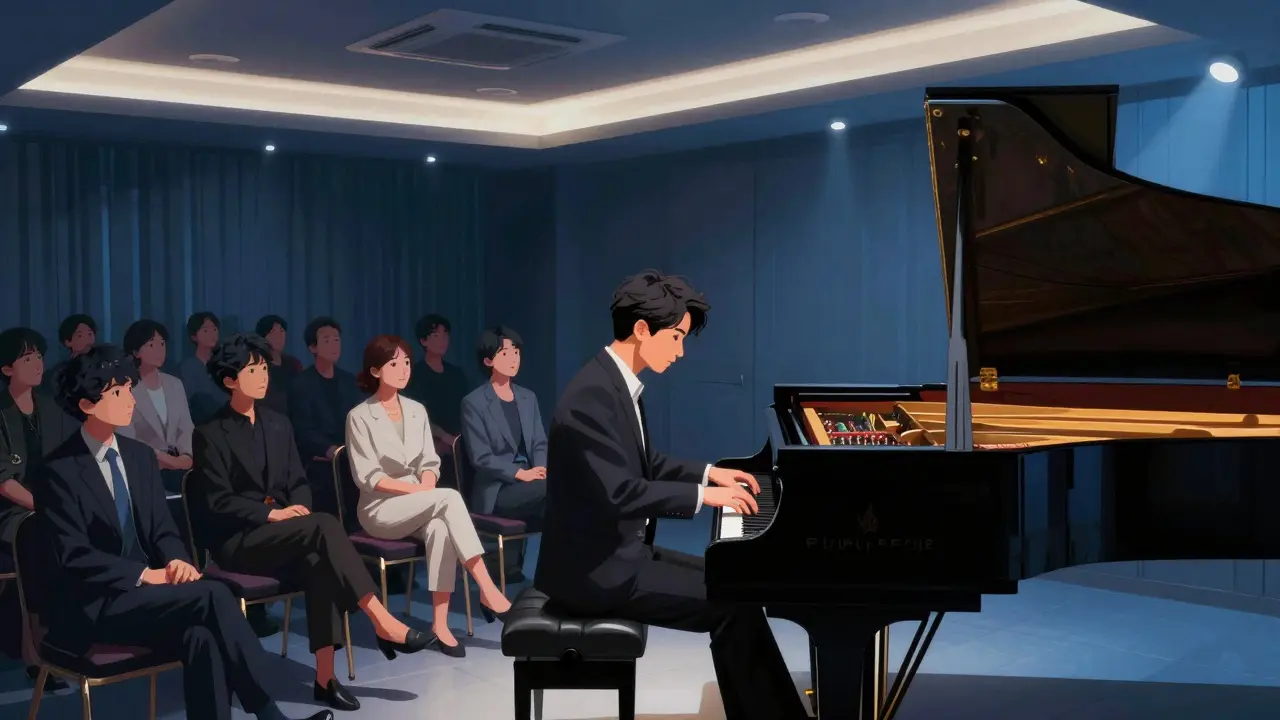
If you want to see how seriously a country takes jazz, look at Japan. The Japanese jazz scene is massive, arguably the second-largest market for jazz records in the world after the US. But it’s not just about buying albums; it’s about performance standards. Japanese musicians are known for their technical mastery. They spend years perfecting their craft, resulting in a sound that is incredibly clean, precise, and harmonically rich.
This attention to detail creates a unique aesthetic. While American jazz might prioritize emotional expression through grit and imperfection, Japanese jazz often explores complexity and structure. Think of it as high-end engineering applied to music. Cities like Tokyo host countless small clubs in Shinjuku and Shimokitazawa where you can watch world-class players perform intimate sets. The audience is equally dedicated, listening with intense focus. This discipline doesn’t mean there’s no soul-it just means the soul is expressed through flawless execution rather than raw spontaneity.
Brazil: Samba, Bossa Nova, and Rhythm First
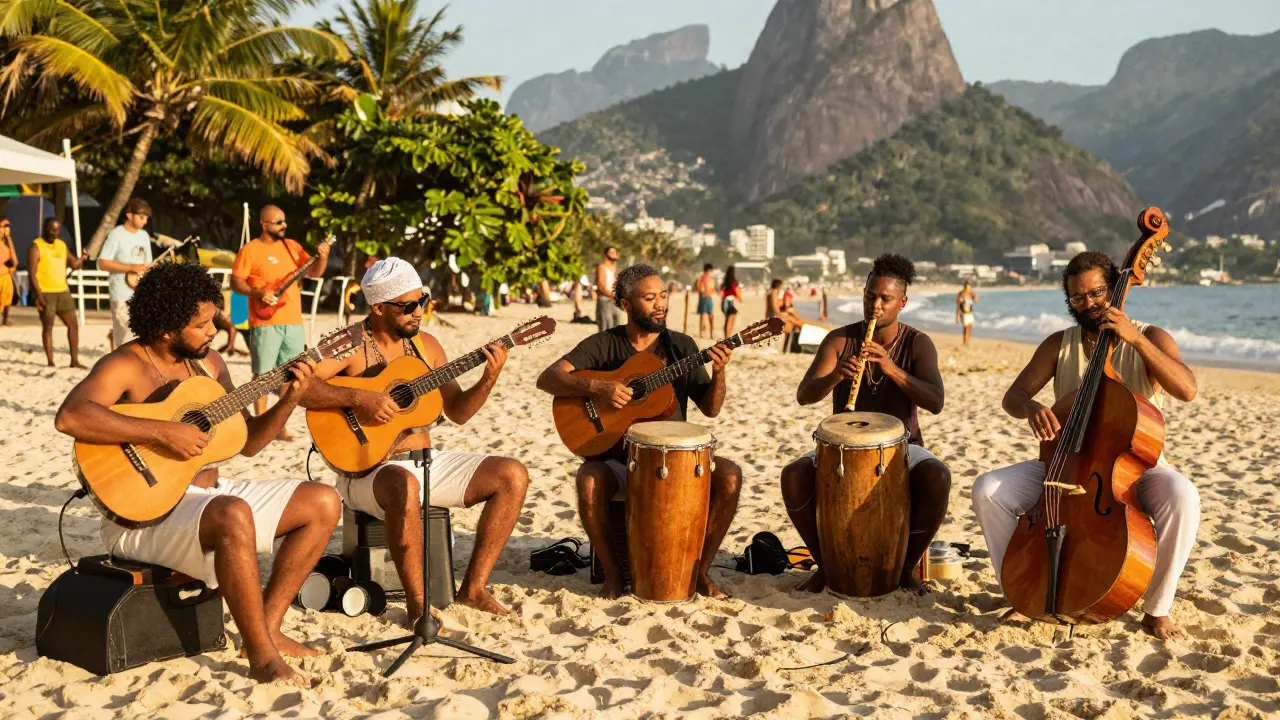
In Brazil, jazz didn’t arrive as an outsider; it merged with local rhythms to create something entirely new. The birth of Bossa Nova in the late 1950s was a turning point. Musicians like Antônio Carlos Jobim and João Gilberto took the harmonic sophistication of jazz and married it to the gentle, swaying rhythms of samba. The result was smooth, sophisticated, and instantly recognizable.
But Brazilian jazz goes beyond Bossa Nova. In cities like São Paulo and Rio de Janeiro, you’ll find a heavier, funkier side of the genre. Drummers incorporate complex African-Brazilian percussion patterns, creating a polyrhythmic texture that is distinctly Latin. The emphasis here is on groove. If American jazz is about tension and release, Brazilian jazz is about flow and movement. It’s music made for dancing, even if the dancers are mostly tapping their feet under the table.
Germany: Political Expression and Electronic Fusion
Post-war Germany developed a distinct jazz identity tied to political expression and experimentalism. After World War II, jazz symbolized freedom and democracy for many Germans. Over time, this evolved into a scene that embraces avant-garde and free jazz. German musicians aren’t afraid to break rules, distort sounds, or incorporate electronic elements.
In cities like Berlin and Cologne, you’ll find jazz that blends with techno, ambient, and classical music. The Berlin Jazz Festival showcases this diversity, featuring artists who push boundaries. There’s less concern with traditional swing and more interest in exploring new sonic landscapes. This reflects a broader German cultural tendency toward innovation and questioning established norms. The sound is often darker, more introspective, and intellectually challenging.
Cuba: The African Roots Reclaimed
Cuba offers a fascinating perspective because it represents one of the primary sources of African rhythm that influenced early jazz. While jazz traveled from Africa to America and then globally, Cuban music retained many of those original rhythmic complexities. In recent decades, Cuban musicians have started incorporating jazz harmonies into traditional styles like son, mambo, and rumba.
The result is a vibrant fusion that feels both ancient and modern. Groups like Afinidad or solo artists like Chucho Valdés blend piano-driven jazz improvisation with driving Afro-Cuban percussion. The energy is infectious, and the interplay between instruments highlights the collective nature of the music. In Cuba, jazz is a conversation between the past and present, honoring African heritage while embracing contemporary creativity.
| Country | Key Characteristics | Notable Subgenres/Styles | Cultural Influence |
|---|---|---|---|
| USA (New Orleans) | Communal, brass-heavy, celebratory | Dixieland, Second Line | African American heritage, parade culture |
| France | Lyrical, intellectual, melodic | Gypsy Jazz, Vocal Jazz | Romani traditions, European classical |
| Japan | Precise, technically masterful, structured | Fusion, Hard Bop variations | Discipline, high-fidelity audio culture |
| Brazil | Groove-oriented, rhythmic, smooth | Bossa Nova, Samba-Jazz | Samba, Carnival, coastal life |
| Germany | Experimental, electronic, avant-garde | Free Jazz, Electro-Jazz | Political history, tech innovation |
| Cuba | Percussive, energetic, hybrid | Afro-Cuban Jazz, Son-Jazz | African drumming, colonial history |
Why Does Local Context Matter?
You might wonder why these differences matter. Shouldn’t jazz be universal? The answer lies in how music functions in society. In the US, jazz was born out of struggle and joy, serving as a voice for marginalized communities. In Japan, it became a symbol of modernity and technical excellence. In Germany, it represented liberation and artistic freedom. Each country projects its own values onto the canvas of jazz.
Understanding these nuances helps you appreciate the depth of the genre. It’s not just about knowing chord progressions; it’s about recognizing the cultural fingerprints left on the music. When you hear a Japanese pianist play a standard, you’re hearing centuries of disciplined practice. When you hear a Brazilian guitarist strum a bossa nova rhythm, you’re hearing the ocean breeze of Rio. These contexts add layers of meaning that pure technique cannot capture.
Exploring the Scene Yourself
If you want to experience this diversity firsthand, start by listening. Seek out recordings from these regions. Notice how the rhythm sections differ. Listen to the way vocals are treated in France versus the instrumental focus in Japan. Attend local jazz festivals if possible. Many cities now host international events that bring together musicians from around the world. Even online streams offer access to live performances from global hubs.
Don’t limit yourself to mainstream jazz playlists. Dig deeper into regional labels and independent artists. Support local scenes wherever you are. Every city has its own jazz flavor, shaped by its unique demographic and historical context. By engaging with these diverse expressions, you become part of the ongoing evolution of jazz-a truly global conversation.
Where did jazz originally come from?
Jazz originated in the late 19th and early 20th centuries in New Orleans, Louisiana, USA. It emerged from a blend of African musical traditions, blues, ragtime, and brass band music within African American communities.
Is jazz popular in Asia?
Yes, jazz is extremely popular in Asia, particularly in Japan. Japan is considered the second-largest market for jazz music in the world, with a thriving live scene, numerous festivals, and highly skilled musicians who emphasize technical precision.
How does Brazilian jazz differ from American jazz?
Brazilian jazz incorporates local rhythms like samba and bossa nova, focusing heavily on groove and flow. Unlike the often tense and release-driven structure of American jazz, Brazilian styles tend to be smoother, more rhythmic, and designed for dancing.
What is Gypsy Jazz?
Gypsy Jazz, also known as Jazz Manouche, originated in France in the 1930s, pioneered by Django Reinhardt. It combines Romani violin techniques with swing rhythms, featuring acoustic guitars and violins instead of traditional big band instrumentation.
Can I find authentic jazz experiences outside the United States?
Absolutely. Countries like France, Japan, Brazil, and Germany have vibrant, authentic jazz scenes that offer unique perspectives. Visiting local clubs and attending international festivals provides genuine exposure to how different cultures interpret and evolve the genre.
Why does German jazz sound different?
German jazz often incorporates avant-garde and electronic elements, reflecting a post-war desire for artistic freedom and experimentation. It tends to be more introspective and structurally complex compared to traditional swing-based styles.