
More Than Just a Beat
Think about the last time you heard a song that made your foot tap without thinking. Chances are, somewhere in its DNA lies Rhythm and Blues. It’s not just a genre; it’s the heartbeat of modern American culture. When we talk about the cultural impact of rhythm and blues, we aren’t just discussing musical notes or chord progressions. We’re talking about a force that dismantled segregation, redefined fashion, changed language, and gave voice to a generation that was told to stay silent.
Many people mistake R&B for just "soulful pop" with auto-tune. That’s a huge oversimplification. Real R&B-the kind that started in the late 1940s-is raw, electric, and deeply rooted in the African American experience. It evolved from jazz, gospel, and blues, creating a sound that was too fast for traditional blues fans but too black for white mainstream audiences at the time. This tension created a cultural earthquake that reshaped society.
The Birth of a Sound and a Movement
To understand the impact, you have to look at where it started. In the post-World War II era, Black Americans were moving from rural South to urban centers like Chicago, Detroit, and New York. They brought their church music (gospel) and their field hollers (blues) into these cities. The result? A new sound. Rhythm and Blues emerged as a commercial term coined by Billboard magazine in 1948 to replace the derogatory term "Race Music".
This wasn’t just a marketing move. It signaled a shift in how Black art was perceived. Artists like Chuck Berry, Little Richard, and Fats Domino weren’t just playing music; they were breaking barriers. Their high-energy performances mixed sexual innuendo, danceability, and rebellious spirit. For white teenagers, this music was dangerous and exciting. For Black communities, it was a source of pride and identity.
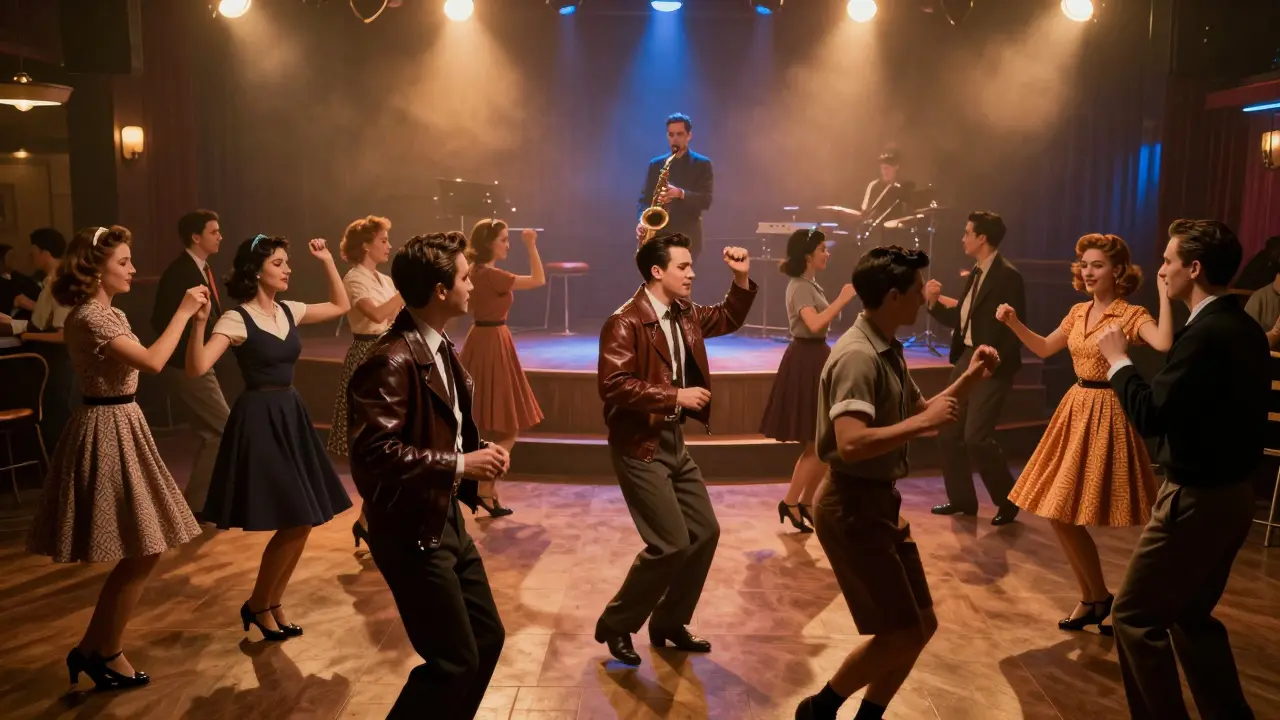
The cultural ripple effect was immediate. Dance halls became integrated spaces, often illegally. Kids stopped dancing the jitterbug and started doing the twist. Fashion followed suit-tighter jeans, leather jackets, and slicked-back hair became symbols of coolness that transcended race. R&B didn’t just enter homes; it entered living rooms, bedrooms, and streets, forcing a cultural conversation that America was trying to avoid.
Breaking Down Segregation Walls
You can’t separate R&B from the Civil Rights Movement. While marches and laws fought for legal equality, music fought for emotional and social acceptance. Radio waves crossed state lines where buses couldn’t go. White kids in Mississippi listened to the same records as Black kids in Harlem. This shared cultural experience humanized the "other" before politicians could legislate integration.
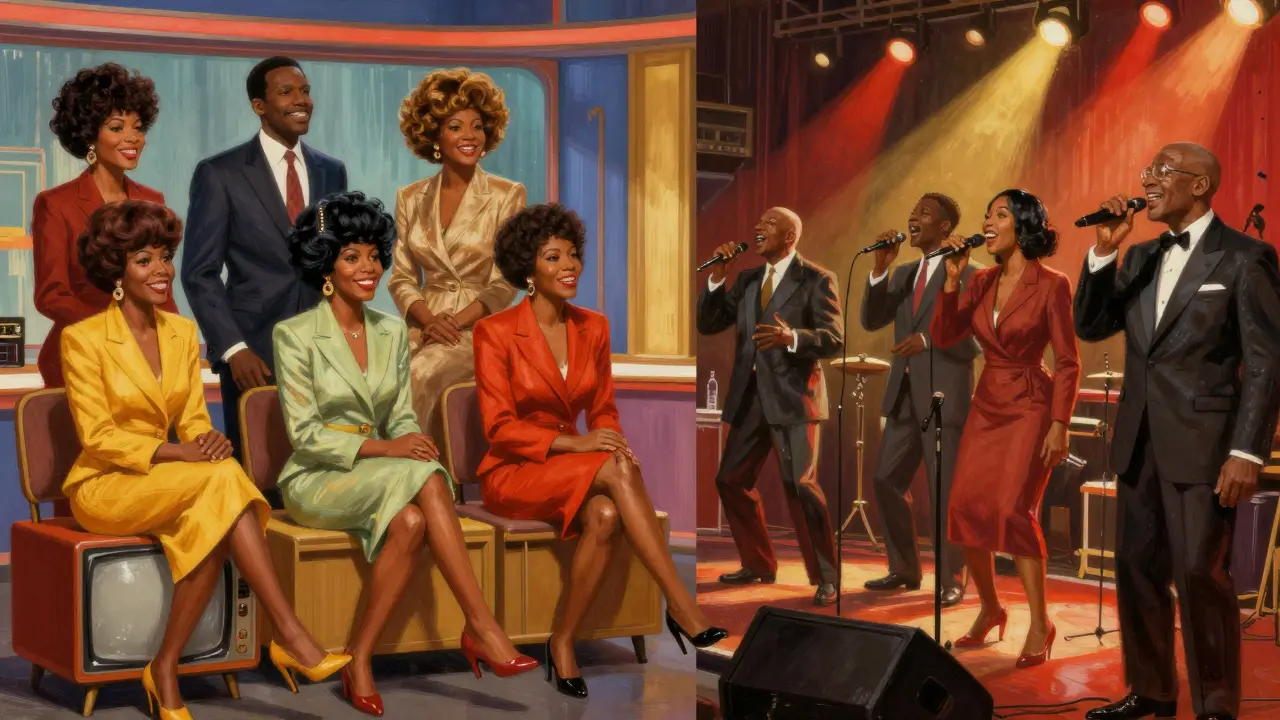
Consider the role of Motown Records. Founded by Berry Gordy in Detroit, Motown had a specific mission: to create music that appealed to all audiences regardless of color. They polished the raw edge of early R&B into something palatable for mainstream radio. Groups like The Supremes and The Temptations appeared on The Ed Sullivan Show, sitting next to white stars. This visibility was revolutionary. It showed Black excellence in a way that television news rarely did.
But it wasn’t always polished. Southern Soul, led by artists like Aretha Franklin and Otis Redding, kept the gospel fire alive. Aretha’s "Respect" wasn’t just a love song; it was an anthem for women’s rights and civil dignity. When she sang it, she was demanding what was owed. The cultural impact here was profound: R&B gave the movement its soundtrack and its moral urgency.
| Era | Subgenre | Key Characteristics | Cultural Impact |
|---|---|---|---|
| 1940s-50s | Classic R&B / Rock & Roll Roots | Upbeat, saxophone-driven, boogie-woogie piano | Broke racial barriers in radio; introduced rock & roll energy |
| 1960s | Motown / Northern Soul | Polished production, catchy hooks, string arrangements | Mainstream crossover; represented Black professionalism and elegance |
| 1960s-70s | Southern Soul / Funk | Gospel-infused, heavy bass, raw emotion | Fueled Civil Rights anthems; emphasized Black pride and authenticity |
| 1980s-90s | New Jack Swing / Contemporary R&B | Digital beats, hip-hop influences, smooth vocals | Bridged gap between rap and pop; defined urban youth culture globally |
| 2000s-Present | Neo-Soul / Alternative R&B | Experimental sounds, conscious lyrics, lo-fi aesthetics | Addressed mental health, identity, and modern social issues |
Language, Slang, and Everyday Life
Have you ever used a word without knowing where it came from? Words like "cool," "groovy," "bad" (meaning good), and "fly" all trace back to R&B and hip-hop cultures. R&B artists were linguistic innovators. They took African American Vernacular English (AAVE) and broadcast it to the world.
In the 1950s, saying "cat" for a person or "dig" for understanding was slang born in jazz and R&B circles. By the 1990s, phrases like "throwing shade" or "keeping it real" were embedded in global youth culture thanks to R&B and hip-hop collaborations. This linguistic adoption is a subtle but powerful form of cultural imperialism. When white teens start speaking like Black teens, power dynamics shift. It forces a recognition of Black creativity as the standard for trendiness.
Moreover, R&B influenced how we express emotions. Before R&B, popular music was often reserved or formal. R&B introduced vulnerability. Men could sing about heartbreak with tears in their eyes. Women could sing about desire without shame. This emotional honesty changed relationship norms. It made it okay to be open about feelings, influencing dating culture and even therapy discourse.
Fashion and Visual Identity
Music doesn’t exist in a vacuum. What you hear affects what you wear. R&B has been a primary driver of fashion trends for decades. Think about the sharp suits of Prince or the baggy jeans and oversized jerseys of 1990s R&B stars like TLC and Boyz II Men.
In the 1970s, funk and soul brought us wide collars, platform shoes, and afros. These weren’t just style choices; they were political statements. Wearing an afro was a rejection of Eurocentric beauty standards. R&B artists wore their heritage proudly, inspiring millions to do the same. Today, luxury brands still draw heavily from these aesthetics. High-fashion runways frequently feature silhouettes and patterns first popularized by R&B icons.
Visual albums and music videos also elevated R&B’s cultural footprint. Artists like Beyoncé and Frank Ocean use visual storytelling to explore themes of race, gender, and history. Beyoncé’s *Lemonade* isn’t just a collection of songs; it’s a cinematic exploration of Black womanhood that sparked academic analysis and widespread social media discussion. This blend of audio and visual art has made R&B a dominant force in digital culture.
The Global Ripple Effect
R&B didn’t stay in America. It went global. In the UK, it influenced Britpop and garage. In Japan, it shaped J-pop vocal styles. In Africa, it resonated with local rhythms, creating hybrid genres like Afrobeat. The universality of the human emotion expressed in R&B allows it to cross borders easily.
Today, K-Pop groups study R&B vocal techniques to add depth to their performances. Latin pop stars collaborate with R&B producers to soften their edges. This global adoption shows that R&B’s core appeal-authenticity and rhythm-is universal. It proves that culture isn’t zero-sum; when one group shares their art, everyone gains.
Modern Challenges and Evolution
Is R&B dead? Some say so. They point to the dominance of trap and hyperpop. But that’s missing the point. R&B has mutated. It’s now called "Alternative R&B" or "Neo-Soul." Artists like SZA, Daniel Caesar, and Summer Walker keep the tradition alive while experimenting with new sounds.
The challenge today is streaming algorithms. Platforms favor short, hook-heavy tracks, which can dilute the nuanced storytelling that defines classic R&B. Yet, even within these constraints, artists find ways to innovate. The cultural impact remains strong because R&B continues to address contemporary issues: mental health, LGBTQ+ identity, and economic inequality. It remains a mirror for society’s struggles and triumphs.
What is the difference between R&B and Soul music?
While often used interchangeably, Soul music is a subgenre of R&B that emerged in the 1950s and 60s. Soul places a heavier emphasis on gospel-inspired vocals, emotional intensity, and brass instruments. Classic R&B is broader, encompassing earlier jazz-blues hybrids and later pop-influenced styles. Think of R&B as the umbrella and Soul as a specific, deeply emotional branch under it.
How did R&B influence Hip-Hop?
Hip-Hop and R&B are siblings. Early hip-hop DJs sampled R&B breaks for their beats. Later, rappers began collaborating with R&B singers for hooks. In the 1990s, "New Jack Swing" blended both genres. Today, most hip-hop tracks feature R&B-style melodies and vocal ad-libs. R&B provided the melodic foundation that makes hip-hop accessible to wider audiences.
Who are the most influential R&B artists of all time?
Key figures include Ray Charles (who fused gospel and secular blues), Aretha Franklin (the Queen of Soul), Marvin Gaye (for his social commentary), Prince (for genre-bending innovation), and Whitney Houston (for vocal perfection). Each contributed uniquely to the genre’s evolution and cultural reach.
Why is R&B considered important in the Civil Rights Movement?
R&B provided a unifying soundtrack for activists. Songs like "A Change Is Gonna Come" by Sam Cooke offered hope and resilience. Moreover, the integration of radio and concert venues allowed diverse audiences to share cultural experiences, fostering empathy and reducing prejudice outside of legislative changes.
Is R&B still popular today?
Yes, but it has evolved. Contemporary R&B dominates streaming charts through artists like Drake, The Weeknd, and SZA. It blends with electronic, pop, and hip-hop elements. While pure traditional R&B is less common, its influence is pervasive in almost every mainstream pop hit today.