
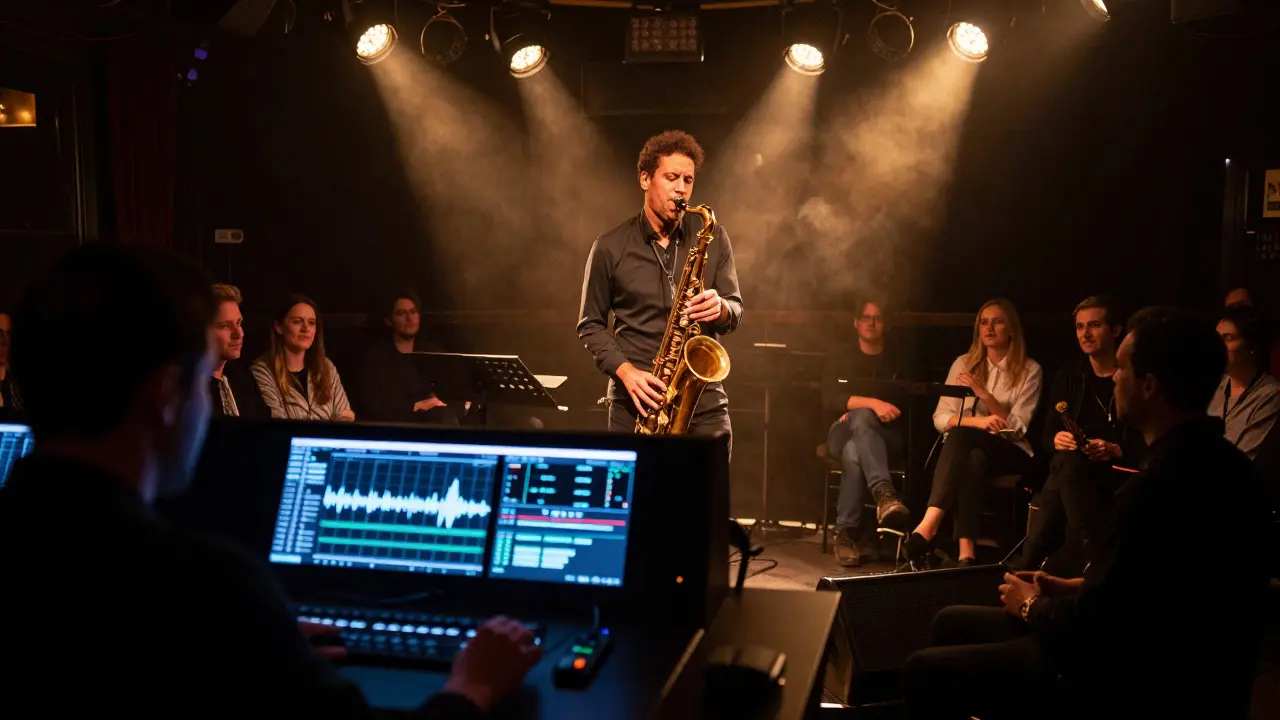
Jazz isn't dying. It's just wearing different clothes than it did in the 1950s. If you walk into a club in Seattle or New York today, you won't always hear the same old standards played by a traditional quartet. You'll hear something that sounds like jazz but also feels like hip-hop, electronic dance music, or West African highlife. The genre is evolving faster than ever, driven by technology, globalization, and a new generation of musicians who refuse to be boxed in.
As we move through 2026, the boundaries of what counts as "jazz" are blurring. This isn't a bad thing. It means the art form is staying relevant. For fans, collectors, and aspiring musicians, understanding these shifts is crucial. Here is what is actually happening on the ground right now.
The Rise of Algorithmic Improvisation
Let's address the elephant in the room: Artificial Intelligence. In 2024, there was panic that AI would replace human musicians. By 2026, that panic has turned into practical application. Jazz, at its core, is about improvisation-making decisions in real-time based on complex rules. That makes it the perfect playground for machine learning models.
We are seeing a surge in AI-assisted composition tools, which help musicians generate chord progressions or melodic motifs they might not have thought of otherwise. Tools like JazzBot Pro or integrated plugins in DAWs (Digital Audio Workstations) allow artists to jam with algorithms. A saxophonist can play a phrase, and the software instantly responds with a counter-melody in the style of John Coltrane or Miles Davis.
This doesn't mean humans are out of a job. Instead, it changes the role of the musician from sole creator to curator and collaborator. The "human touch" becomes even more valuable because the audience can tell when the emotion comes from a lived experience rather than a probability matrix. Artists like Robert Glasper have long experimented with tech, but now, bedroom producers in Tokyo and Berlin are using AI to create jazz textures that were previously impossible without a full orchestra.
Global Fusion: Beyond Western Borders
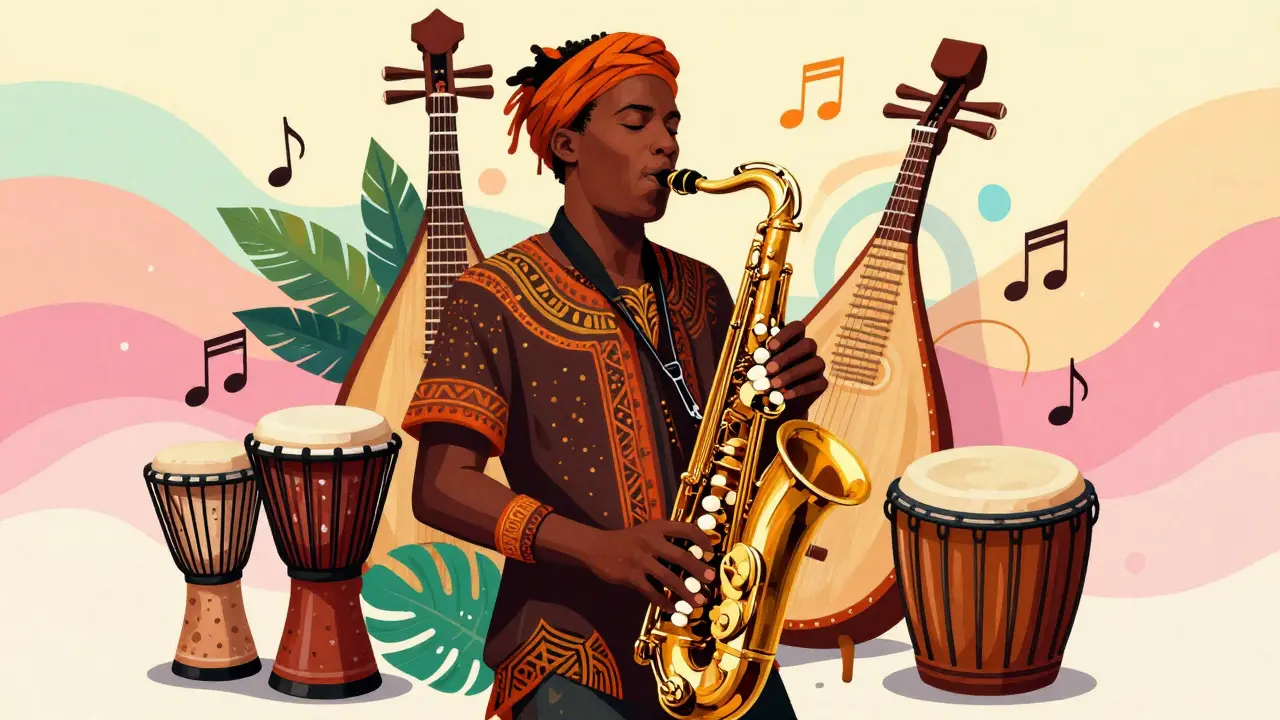
Jazz was born in New Orleans, but it no longer belongs exclusively to America. The most exciting developments in 2026 are coming from outside the traditional Western canon. We are seeing a massive influx of rhythmic and harmonic structures from Africa, Latin America, and Asia.
| Region | Key Influence | Notable Trend |
|---|---|---|
| West Africa | Polyrhythms and Highlife guitar styles | Fusion with Afrobeat; use of traditional percussion like the Djembe alongside standard drum kits |
| Latin America | Cuban son and Brazilian bossa nova rhythms | Neo-Latin Jazz; integration of electronic beats with acoustic brass sections |
| East Asia | Pentatonic scales and traditional instruments (e.g., Koto, Erhu) | Minimalist jazz aesthetics; blending ambient soundscapes with jazz harmony |
For example, the scene in Lagos, Nigeria, is producing artists who blend Fela Kuti’s political funk with modern jazz harmonies. Similarly, in Seoul, South Korea, there is a vibrant underground movement where classical training meets street-hop sensibilities. These aren't niche subgenres anymore; they are becoming mainstream within the jazz community. Streaming platforms are creating playlists that highlight this global diversity, pushing listeners to explore beyond the Great American Songbook.
The Vinyl Revival Meets Digital Distribution
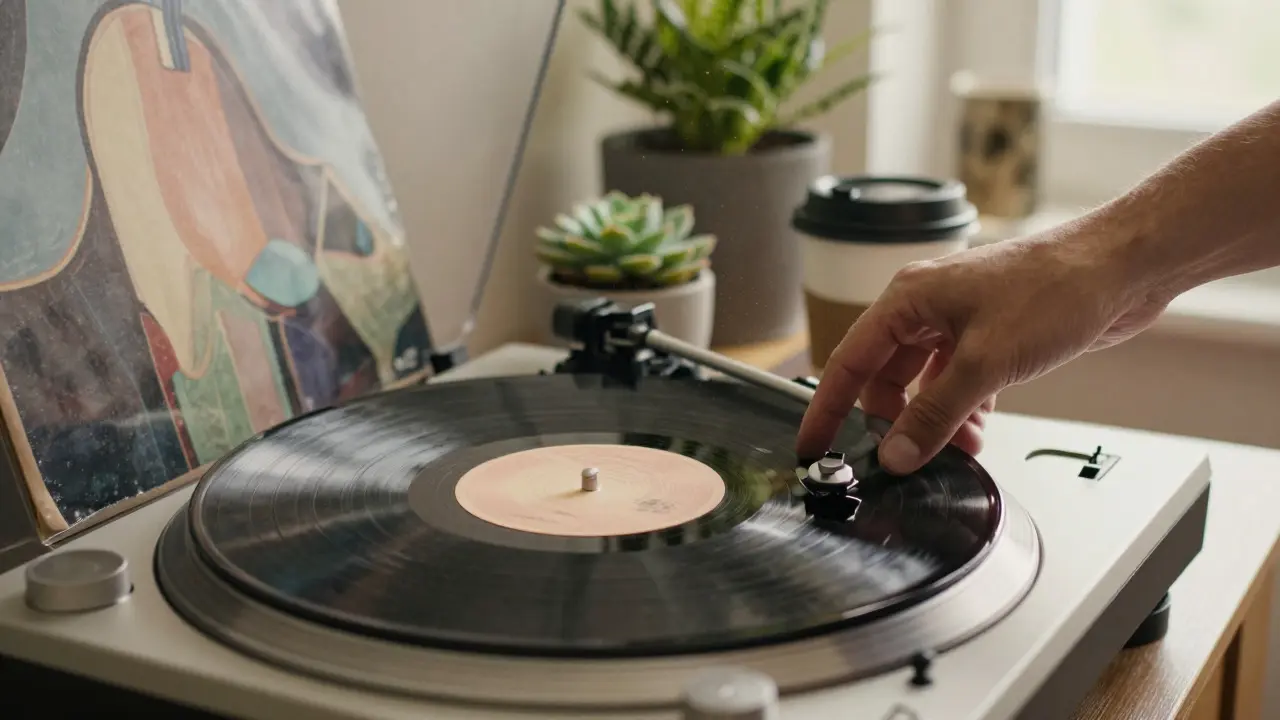
You might think vinyl is a retro trend, but in 2026, it remains a critical part of the jazz ecosystem. Why? Because jazz listeners value physical ownership and high-fidelity audio. While Spotify and Apple Music dominate daily listening, limited-edition vinyl pressings drive significant revenue for independent labels.
However, the distribution model has changed. Artists are no longer waiting for major label deals. They are using platforms like Bandcamp and Patreon to sell direct-to-consumer packages. A typical release might include a digital download, a streaming link, and a hand-numbered vinyl LP. This creates a deeper connection between the artist and the fan. When you buy a record from a small collective in Portland, you’re not just buying music; you’re supporting an ecosystem.
This shift empowers musicians to take risks. Major labels often want safe, radio-friendly jazz. Independent artists can afford to experiment with longer tracks, unconventional structures, and collaborative projects that don't fit neatly into commercial boxes. The result is a richer, more diverse catalog of new music.
Educational Shifts: From Conservatories to Online Communities
How do you learn jazz in 2026? Traditionally, you went to a conservatory like Berklee or Juilliard. Those institutions still hold prestige, but they are no longer the only path. The democratization of education via YouTube, MasterClass, and specialized apps has created a new breed of self-taught virtuoso.
Online communities on Discord and Reddit allow musicians from around the world to share tabs, discuss theory, and critique each other's solos in real-time. This peer-to-peer learning accelerates skill development. A teenager in Brazil can study under a mentor in Chicago without leaving home. This global classroom fosters cross-cultural pollination, leading to unique stylistic hybrids that wouldn't emerge in isolated academic environments.
Moreover, the curriculum is changing. Modern jazz education emphasizes production skills alongside instrumental proficiency. Young musicians are expected to know how to record, mix, and market their own work. This holistic approach prepares them for the realities of the modern music industry, where being a great player is necessary but not sufficient for success.
Sustainability and Ethical Production
A growing trend in the jazz world is a focus on sustainability. Musicians and venues are increasingly aware of their environmental impact. Touring has a huge carbon footprint, so many artists are opting for regional tours or virtual performances to reduce travel emissions. Venues are investing in green energy and sustainable materials for instrument construction.
There is also a push for ethical labor practices. The gig economy has made life precarious for many working musicians. Unions and collectives are advocating for better pay, healthcare, and retirement benefits. Fans are beginning to recognize that supporting live jazz means ensuring the artists are paid fairly. This social consciousness is becoming a defining characteristic of the contemporary jazz scene.
What This Means for You
If you're a listener, keep an open mind. Don't dismiss a track just because it features a synthesizer or a non-Western rhythm. Jazz has always been about adaptation. If you're a musician, embrace technology and global influences. Learn to produce your own music. Connect with peers online. And remember, the spirit of jazz is freedom-freedom to express, to experiment, and to evolve.
The future of jazz isn't a single destination. It's a sprawling, interconnected network of sounds, stories, and innovations. It's messy, beautiful, and alive. And that's exactly how it should be.
Is AI replacing human jazz musicians?
No, AI is acting as a tool for collaboration and inspiration. While algorithms can generate melodies, they lack the emotional depth and cultural context that human musicians bring. Most artists use AI to enhance their creativity, not replace themselves.
Where can I find new global jazz music?
Streaming platforms like Spotify and Apple Music offer curated playlists featuring international jazz scenes. Additionally, independent labels often showcase emerging artists from Africa, Asia, and Latin America on Bandcamp and SoundCloud.
Do I need formal education to play modern jazz?
Formal education helps, but it's not mandatory. Many successful modern jazz musicians are self-taught or learned through online resources and peer networks. What matters most is practice, ear training, and openness to experimentation.
Why is vinyl still popular in jazz?
Vinyl offers superior audio quality and a tangible connection to the music. Jazz enthusiasts appreciate the ritual of playing a record and the artwork associated with physical releases. Limited editions also serve as collectibles for fans.
How is jazz adapting to environmental concerns?
Artists are reducing tour emissions by traveling regionally or performing virtually. Venues are adopting green technologies, and there is a growing emphasis on sustainable instrument manufacturing and fair labor practices within the industry.