
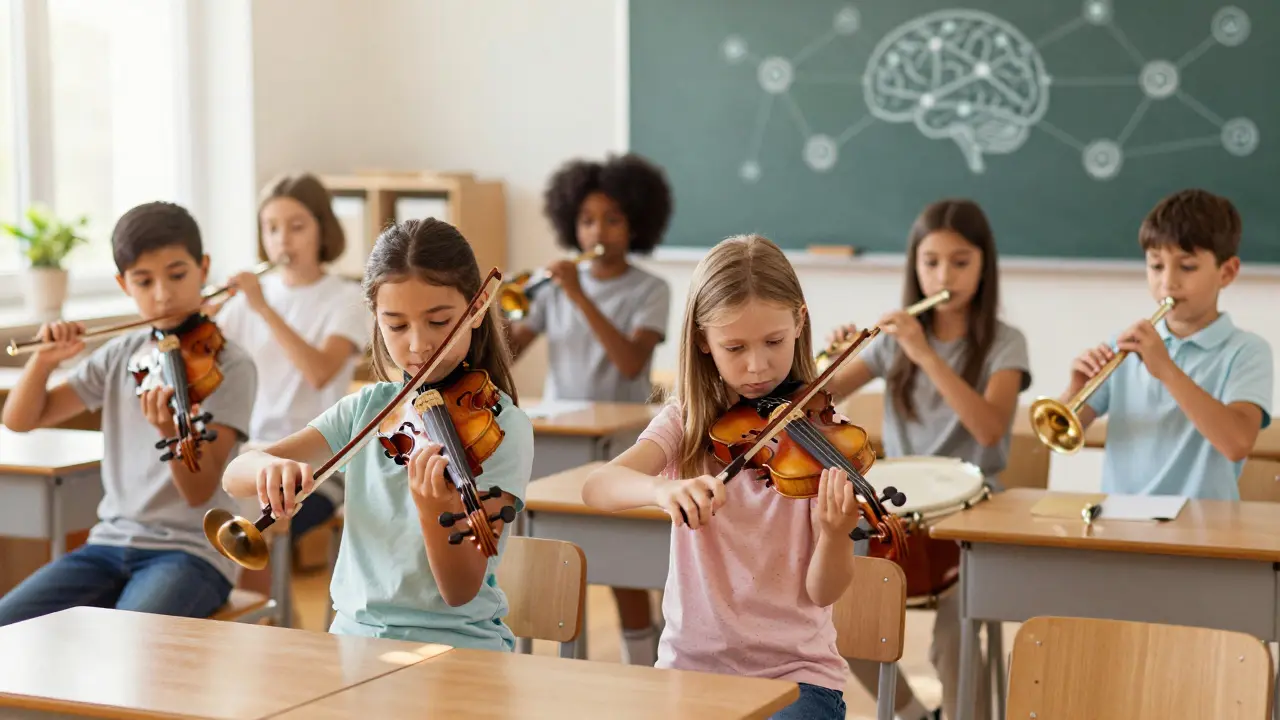
Picture a typical classroom. Rows of desks, textbooks, and the hum of focused silence. Now imagine adding violins, keyboards, and drums to that mix. It sounds like chaos, right? But research suggests it’s actually one of the most effective ways to boost learning. Musical instruments are not just hobbies; they are powerful tools for brain development. When students pick up an instrument, they aren’t just making noise. They are engaging in complex problem-solving, physical coordination, and emotional regulation all at once.
The Brain on Music: More Than Just Melody
When you learn to play a musical instrument, your brain undergoes structural changes. This isn’t metaphorical. Neuroplasticity-the brain's ability to reorganize itself by forming new neural connections-happens visibly in musicians. Studies using MRI scans show that areas responsible for motor control, auditory processing, and memory are significantly larger in people who started playing instruments before age seven.
Consider the act of reading sheet music. You have to decode symbols, translate them into finger movements, listen to the pitch, and adjust timing-all simultaneously. This multitasking strengthens the corpus callosum, the bridge between the left and right hemispheres of the brain. A stronger connection means better communication between logic and creativity. That’s why musicians often excel in math and language arts. They’re literally training their brains to process multiple streams of information efficiently.
Cognitive Benefits That Translate to Academics
You might wonder if spending hours practicing scales really helps with algebra or history. The answer is yes, but indirectly. Learning an instrument builds executive function skills. These are the mental processes that enable us to plan, focus attention, remember instructions, and juggle multiple tasks successfully.
- Working Memory: Holding a melody in your head while counting beats improves your ability to retain information during tests.
- Attention Control: Staying focused through repetitive practice sessions trains patience and sustained concentration.
- Pattern Recognition: Identifying chord progressions helps students spot patterns in scientific data or literary themes.
A landmark study followed children over several years and found those involved in music programs scored higher on standardized tests than peers who didn’t participate. The gap wasn’t because music teachers were smarter than other educators. It was because the discipline required to master an instrument created habits of mind that transferred to every subject.
Social Skills and Emotional Intelligence
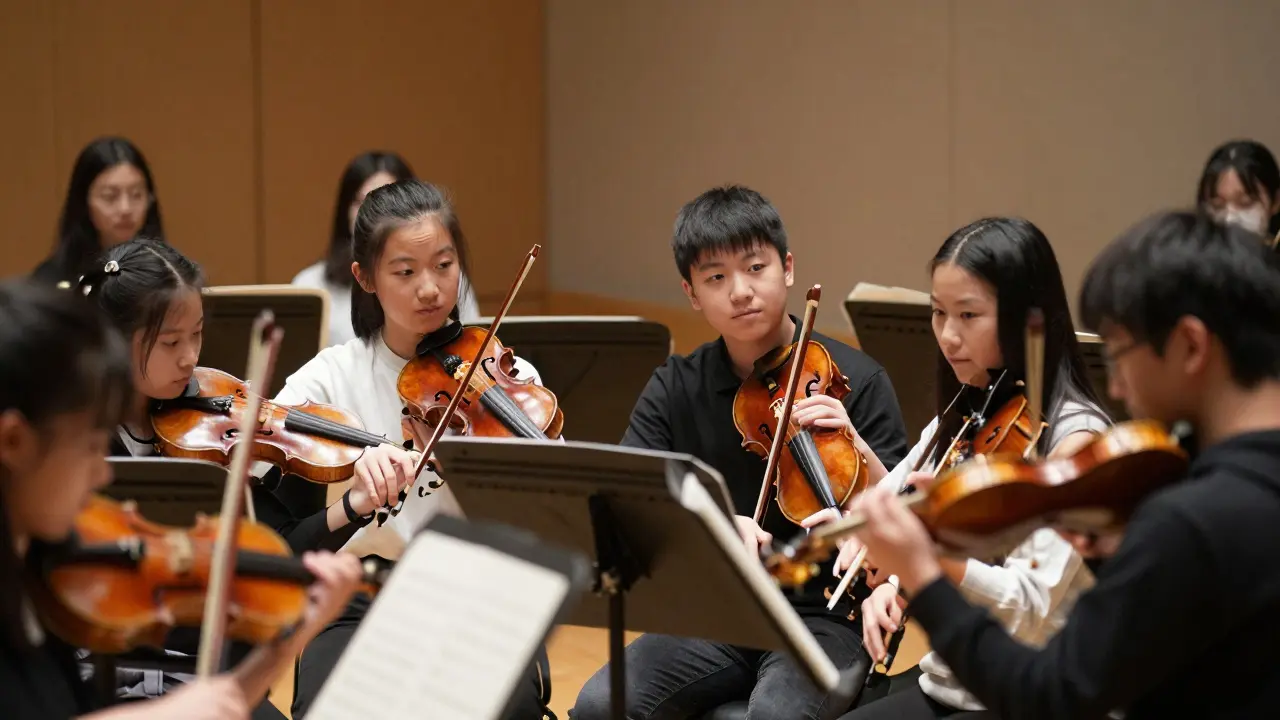
Playing solo has its merits, but ensemble work teaches something unique: cooperation. In a band or orchestra, no single player can dominate. Everyone must listen, adapt, and support others. If the first violinist rushes, the whole piece falls apart. If the drummer drags, the rhythm collapses. Students learn accountability in real-time.
This collaborative environment fosters empathy. You start noticing how your actions affect the group dynamic. You develop non-verbal communication skills-reading cues from conductors or fellow players without words. These soft skills are crucial for teamwork in any career path. Employers consistently rank collaboration and adaptability among top desired traits. Music provides a safe space to practice these abilities under pressure.
Physical Coordination and Fine Motor Skills
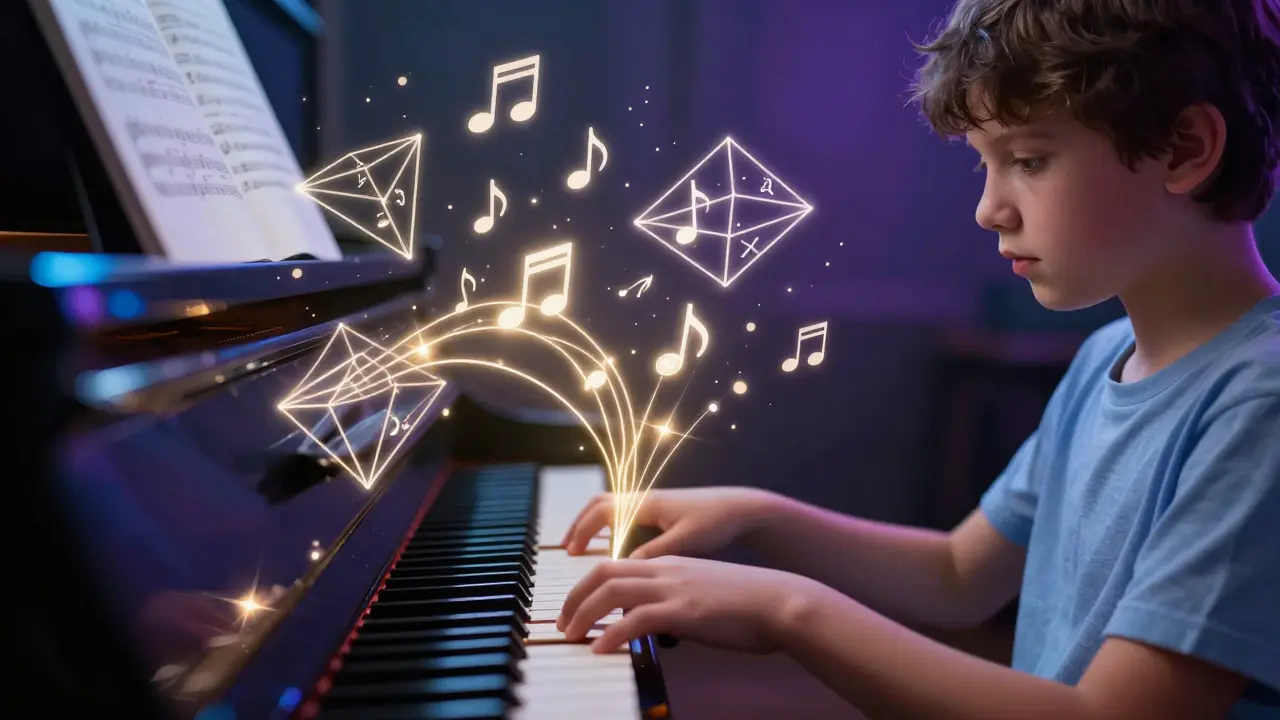
Let’s talk about fingers. Playing piano requires independent movement of each digit. Guitar demands precise fretting and strumming coordination. Wind instruments involve breath control combined with embouchure (lip shape) adjustments. All of this enhances fine motor skills.
For younger children especially, this physical engagement supports overall development. Hand-eye coordination improves dramatically. Balance and posture become secondary concerns as students stand upright while holding heavy instruments like cellos or trumpets. Even breathing exercises used in flute or saxophone playing promote lung capacity and relaxation techniques beneficial throughout life.
| Instrument Family | Primary Cognitive Benefit | Key Physical Skill |
|---|---|---|
| String (Violin, Cello) | Pitch Precision | Fine Finger Dexterity |
| Woodwind (Flute, Clarinet) | Breath Control | Lip Embouchure Strength |
| Percussion (Drums, Xylophone) | Rhythmic Timing | Hand-Eye Coordination |
| Keyboard (Piano, Organ) | Reading Complex Notation | Independent Hand Movement |
Mental Health and Stress Reduction
Schools today face rising levels of student anxiety. Music offers a legitimate outlet. Creating art allows expression beyond words. Sometimes feelings are too big for sentences. A blues guitar riff or a minor key piano passage can articulate sorrow more clearly than any essay prompt.
Moreover, the flow state achieved during deep practice reduces cortisol levels. Flow occurs when challenge matches skill level perfectly. Time seems to disappear. Worries fade away. This meditative quality makes music therapy increasingly popular in educational settings. Schools integrating regular music breaks report lower disciplinary issues and improved mood among staff and students alike.
Accessibility and Inclusivity Considerations
Not every family can afford a $2,000 trumpet or private lessons. This creates equity gaps. However, digital solutions are changing the landscape. Apps offering virtual instruments allow exploration without upfront costs. School district grants specifically target underserved communities to provide loaner instruments. Community centers host free workshops led by local professionals.
Inclusive programming matters too. Adaptive instruments exist for students with disabilities. Electronic drum pads replace traditional kits for those with limited mobility. Visual metronomes assist hearing-impaired learners. Ensuring access ensures everyone benefits from these developmental advantages regardless of background.
Implementing Music Programs Effectively
If you’re advocating for more music in schools, know what works. Start small. Introduce rhythm activities early. Use body percussion before introducing actual instruments. Build confidence gradually. Partner with local artists. Invite guest performers to inspire students. Create performance opportunities-not just recitals, but community events where kids see value in their efforts.
Teacher training is critical. General educators don’t need to be virtuoso pianists, but understanding basic musical concepts helps integrate music across subjects. Math teachers can teach fractions through note values. History classes can analyze protest songs from different eras. Cross-curricular approaches maximize impact without requiring separate budget lines.
At what age should children start learning an instrument?
Most experts recommend starting around age five or six when fine motor skills and attention spans are sufficiently developed. However, exposure to music should begin much earlier through singing and listening. Formal instruction can wait until the child shows interest and physical readiness.
Does learning an instrument improve grades in other subjects?
Yes, studies consistently show correlations between music education and higher academic achievement. The transferable skills include discipline, pattern recognition, and enhanced memory capacity which benefit STEM and humanities equally.
What is the best first instrument for beginners?
Piano and ukulele are excellent starters due to intuitive layouts and immediate gratification. Recorder remains common in elementary schools for cost-effectiveness. Choice ultimately depends on personal preference and available resources.
How does music help with social skills?
Ensemble playing requires active listening, turn-taking, and mutual respect. Students learn to contribute to a shared goal while managing individual egos. These interactions build empathy and cooperative behaviors essential for healthy relationships.
Can older students still benefit from learning instruments?
Absolutely. While neuroplasticity peaks in childhood, adults continue gaining cognitive and emotional benefits. Late bloomers often bring greater motivation and life experience to their studies, leading to rapid progress and deep satisfaction.