Blues, Jazz, and Soul: The Roots of Modern Music in 2025
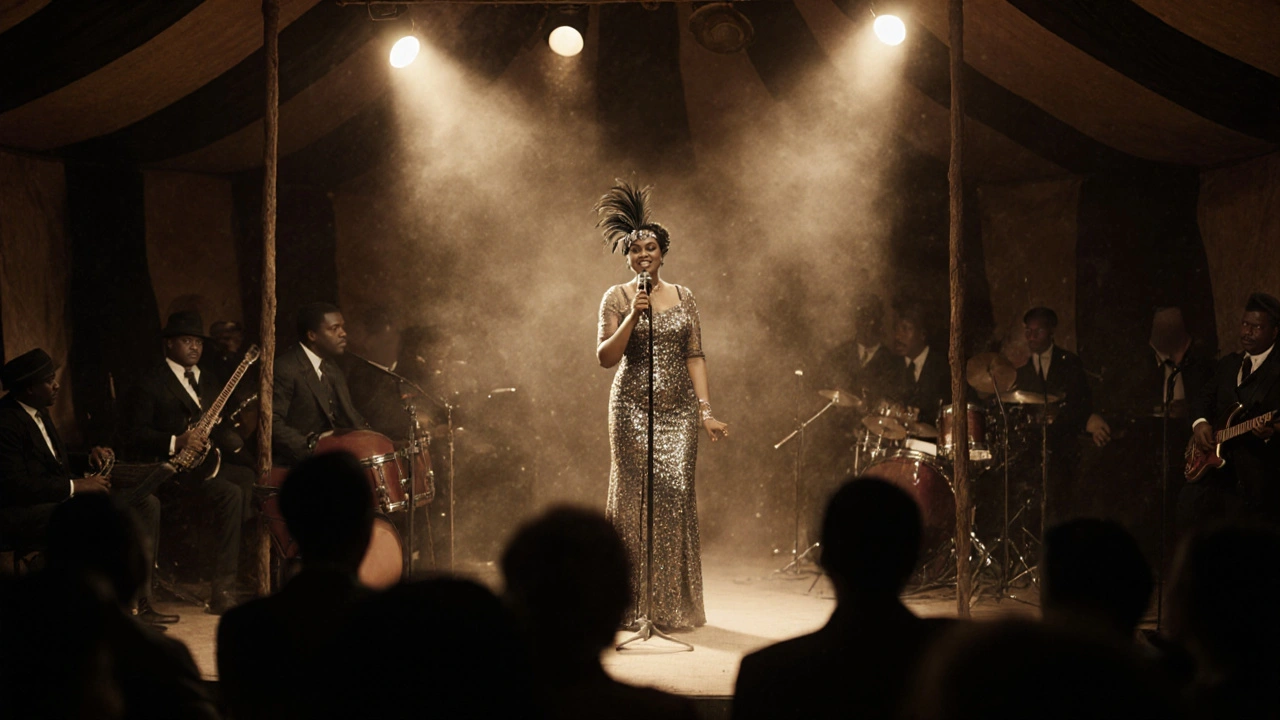
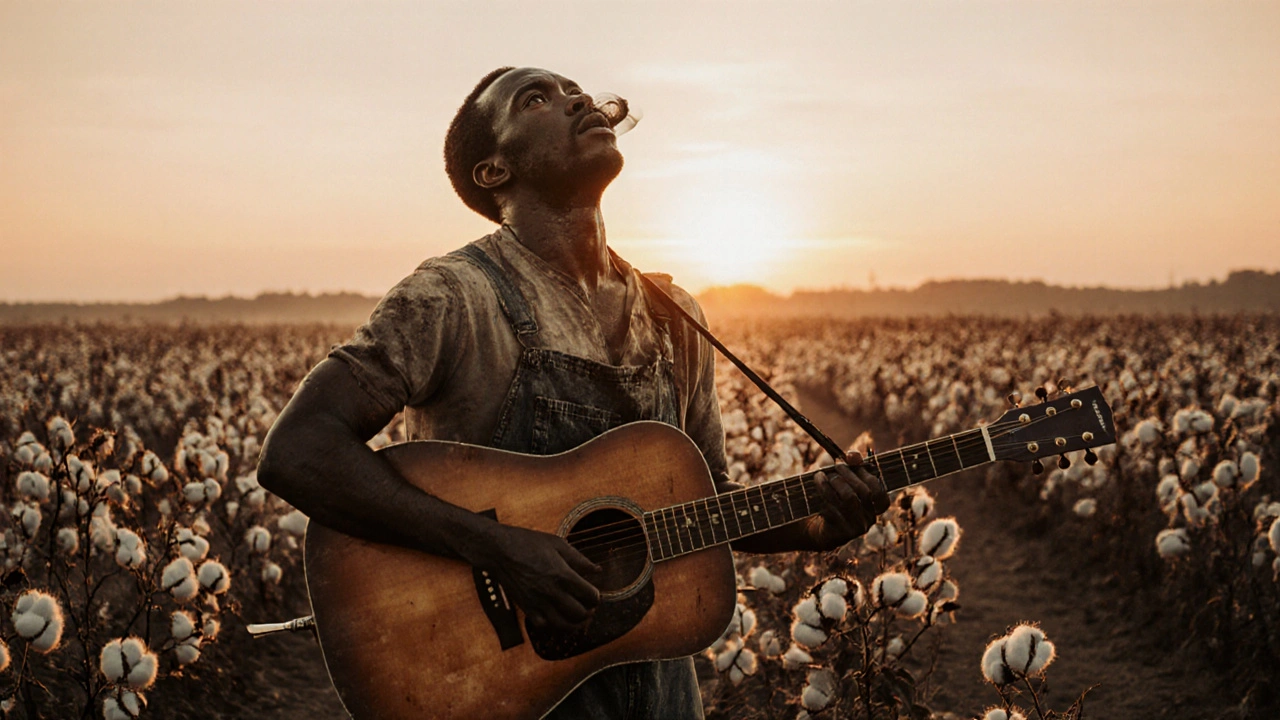
When you hear a slow blues music, a raw, emotionally charged genre born from African American communities in the Deep South, rooted in hardship and expressed through call-and-response patterns and bent notes. Also known as the foundation of rock and roll, it doesn't need fancy instruments—just truth. That’s what you’re holding in your hands this month. Not just songs, but stories. Stories of Ma Rainey screaming into a 1920s microphone, Bessie Smith turning pain into power, and modern artists still channeling that same fire. Blues music isn’t old—it’s alive, and it’s still shaping everything you hear today.
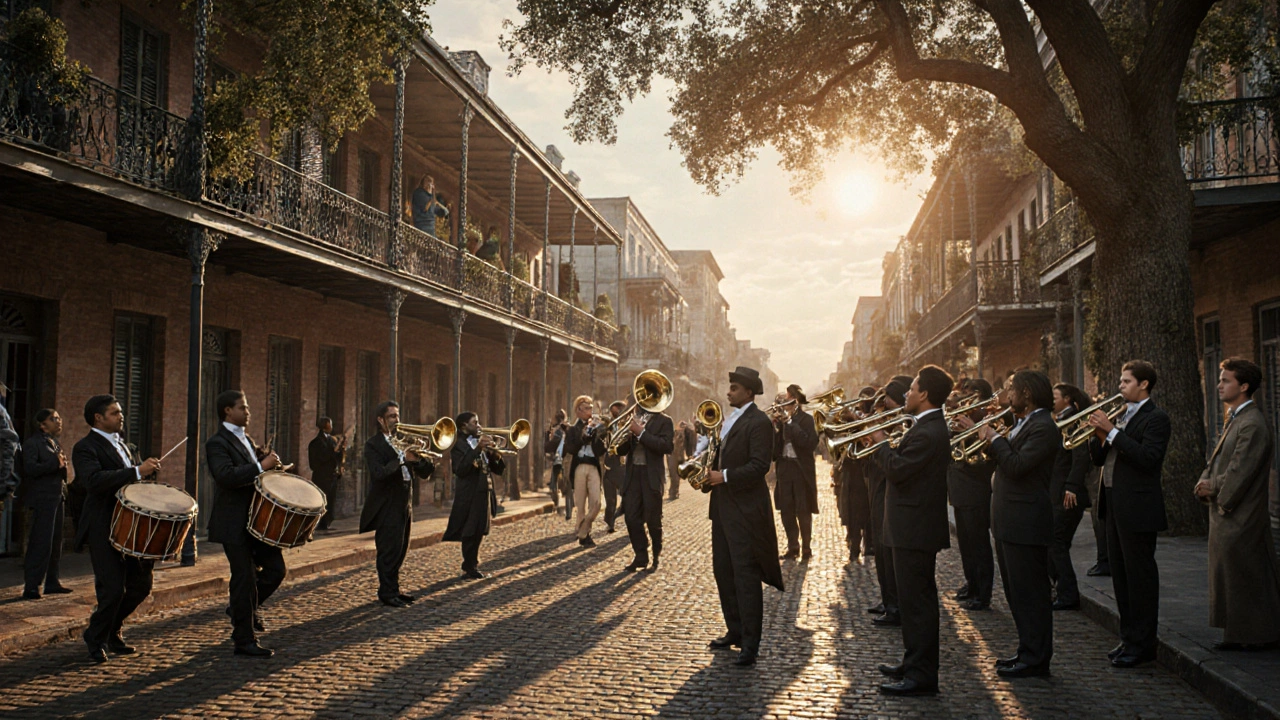
jazz music, a genre built on improvisation, syncopation, and cultural fusion, emerging from New Orleans’ streets and clubs where blues, ragtime, and spirituals collided. Also known as America’s classical music, it’s not just about complex chords—it’s about freedom in sound. From swing bands to bebop rebels to today’s experimental fusion acts, jazz has always been about breaking rules. And it’s not just for musicians. It’s the soundtrack for deep focus, late-night drives, and moments when words fail. Then there’s soul music, a genre that blends gospel’s passion with R&B’s groove, born in the 1950s and defined by Aretha Franklin’s voice, Stax Records’ raw energy, and the unfiltered expression of Black joy and struggle. Also known as the emotional core of pop, it faded for a while—but it’s back, not as a tribute, but as a revolution. These aren’t just genres. They’re emotional languages.
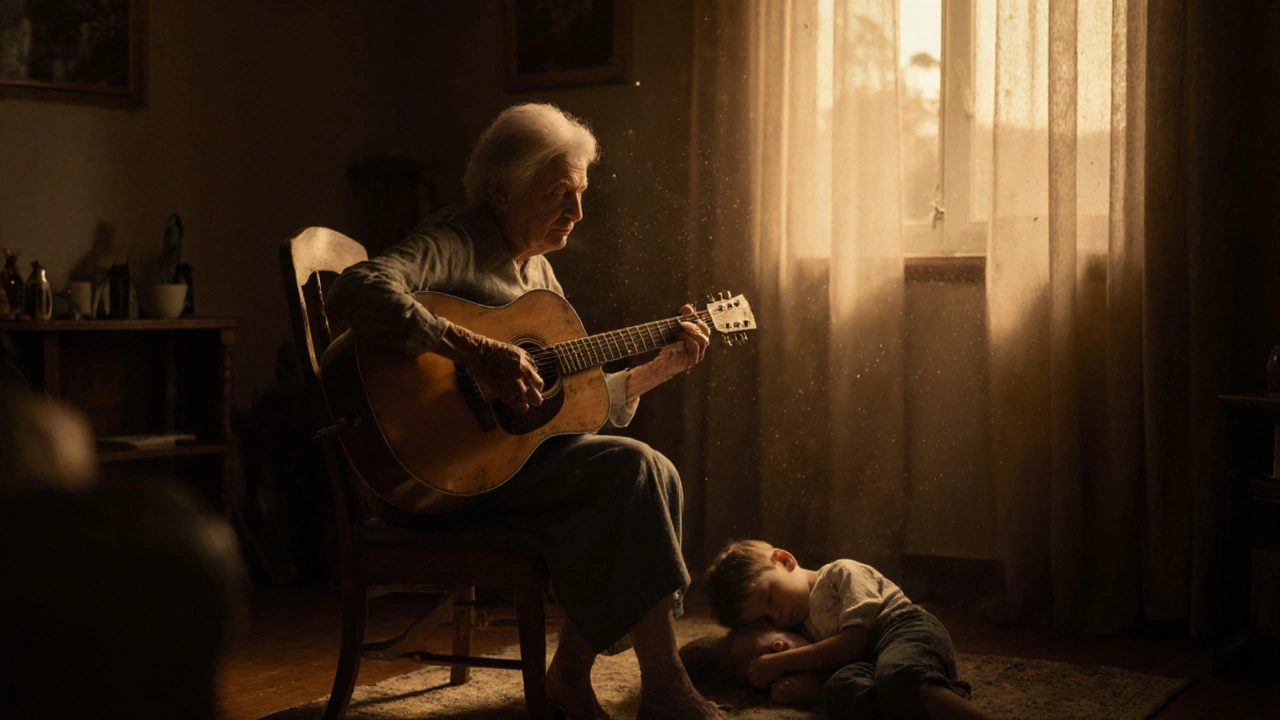
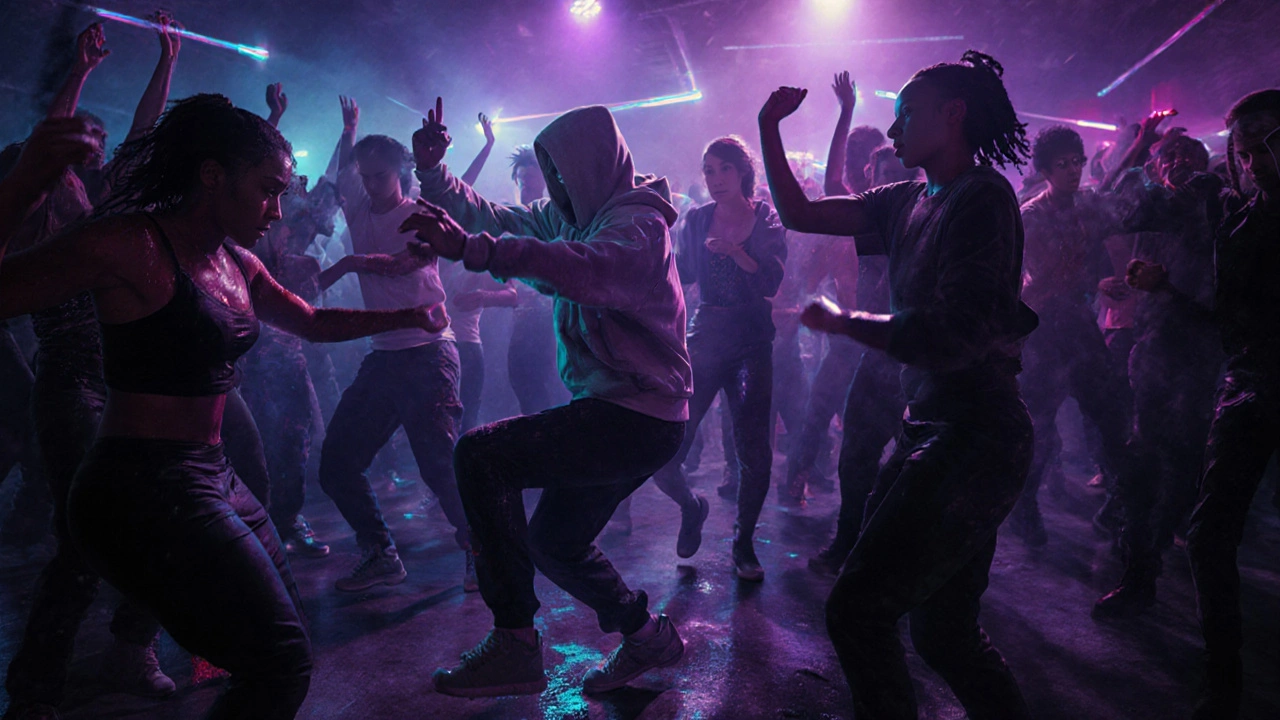
And it doesn’t stop there. acoustic guitar, a simple instrument that carries more feeling than most amplified systems, thanks to its natural resonance and intimate playing style. Also known as the quiet healer, it doesn’t need effects or drums—it just needs a hand and a heart. People use it to calm anxiety, focus during work, or just sit alone with their thoughts. Meanwhile, classical music, a structured, centuries-old tradition from composers like Bach and Vivaldi, now used by top performers, students, and CEOs as a tool for mental clarity and stress reduction. Also known as the silent productivity booster, it’s not about being fancy—it’s about how it rewires your brain to think sharper. Even dubstep dance, with its wild bass and raw movement, ties back to this same idea: music that makes you feel something deep, not just hear something loud.
This month’s collection isn’t a history lesson. It’s a map. A map of where the music you love came from, why it still matters, and how it’s still changing you. Whether you’re strumming an acoustic guitar after work, blasting Aretha Franklin on your commute, or just sitting quietly with Mozart while you write—you’re part of this story. Below, you’ll find real, unfiltered pieces that dig into the people, the sounds, and the science behind what moves us. No fluff. Just the music, and why it sticks.
Meet the pioneering Black women who defined the blues-Ma Rainey, Bessie Smith, Ida Cox, and others whose powerful voices shaped music history and inspired generations of artists.
Jazz music emerged from African American communities in New Orleans, blending blues, ragtime, and spirituals. Its evolution through swing, bebop, fusion, and modern styles reflects cultural shifts and artistic rebellion. Today, it remains a dynamic, global force.
Soul music rose from gospel and R&B roots in the 1950s, peaked in the '60s and '70s, faded in the '90s, and is now making a powerful comeback through authentic, emotion-driven artists. It's not nostalgia-it's renewal.
Acoustic guitar music moves us not through volume or complexity, but through raw, intimate sound. Its simple melodies and natural tones connect deeply with our emotions, calm our nervous systems, and even aid healing.
Blues music is the raw, emotional voice of hardship turned into art. Born in the Deep South, it shaped rock, soul, and modern music. Its power lies not in perfection, but in truth.
Dubstep dance is a raw, improvisational style fueled by heavy bass and glitchy beats. Born in underground clubs, it's now a global movement where anyone can join in-no experience needed. It's not about perfection. It's about feeling the music in your bones.
Classical music isn't just art-it's a science-backed tool for sharper focus, deeper work, and better performance. Discover how Bach, Mozart, and Vivaldi help top performers think clearer and stay calmer under pressure.