
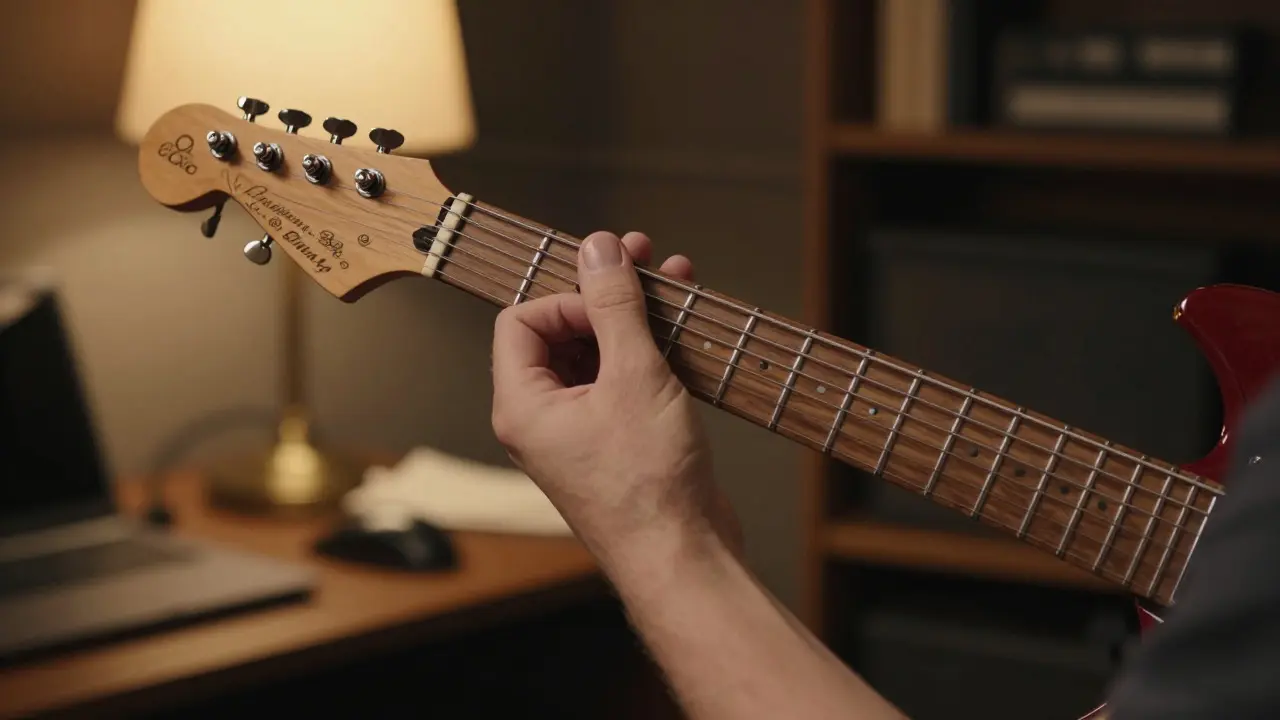
There is a specific feeling you get when you plug in a guitar that feels like an extension of your arm. It’s not just about the sound; it’s about the weight, the balance, and the way the neck sits under your hand. Custom electric guitars are instruments built to individual specifications rather than mass-produced standards. Unlike buying off a shelf, this process allows you to dictate every detail, from the wood species to the finish color. If you’ve ever looked at a standard model and thought, “What if I could change just one thing?”, you’re already thinking like a custom builder.
Why Go Custom?
Most players start with a stock instrument because it’s affordable and reliable. But as your playing style evolves, compromises become obvious. Maybe the action is too high for your technique. Perhaps the tone is too bright for the genres you play. A custom build solves these issues by removing the constraints of a factory line. You aren’t just buying a tool; you are co-creating an instrument that fits your physical dimensions and musical preferences perfectly. This level of personalization often leads to a deeper connection with the instrument, which many musicians say directly impacts their performance confidence.
The Core Components of a Build
Building a custom guitar involves selecting four main parts: the body, the neck, the electronics, and the hardware. Each choice affects the final outcome significantly. Understanding how these pieces interact is crucial before you start spending money on materials or labor.
- Body Wood: Determines resonance and sustain. Common choices include Alder, a lightweight hardwood known for balanced tone and stability, Ash, a denser wood offering brighter attack and higher output, and Mahogany, a dense tropical wood prized for warm lows and rich midrange.
- Neck Profile: Affects playability. Options range from slim "C" shapes for fast shredding to chunky "U" profiles for heavy strumming.
- Fretboard: Usually made from Rosewood or Pau Ferro. These woods influence the tactile feel and slightly alter the high-end response.
- Electronics: The heart of the sound. This includes Pickups, magnetic devices that convert string vibrations into electrical signals, pots, switches, and wiring.
Choosing the Right Tone
Tone is subjective, but physics provides a framework. Single-coil pickups offer clarity and brightness, making them ideal for clean tones and funk. Humbuckers cancel hum and produce a thicker, louder signal, perfect for rock and metal. When specifying your build, consider the interaction between the wood and the magnets. For example, pairing a resonant Ash body with high-output humbuckers can create a powerful, cutting sound suitable for lead work. Conversely, a Mahogany body with single coils yields a warmer, jazz-influenced voice. Don’t be afraid to mix and match. Many modern builders use split-coil configurations or active/passive switching to give you more versatility without carrying two guitars.
The Building Process: DIY vs. Luthier
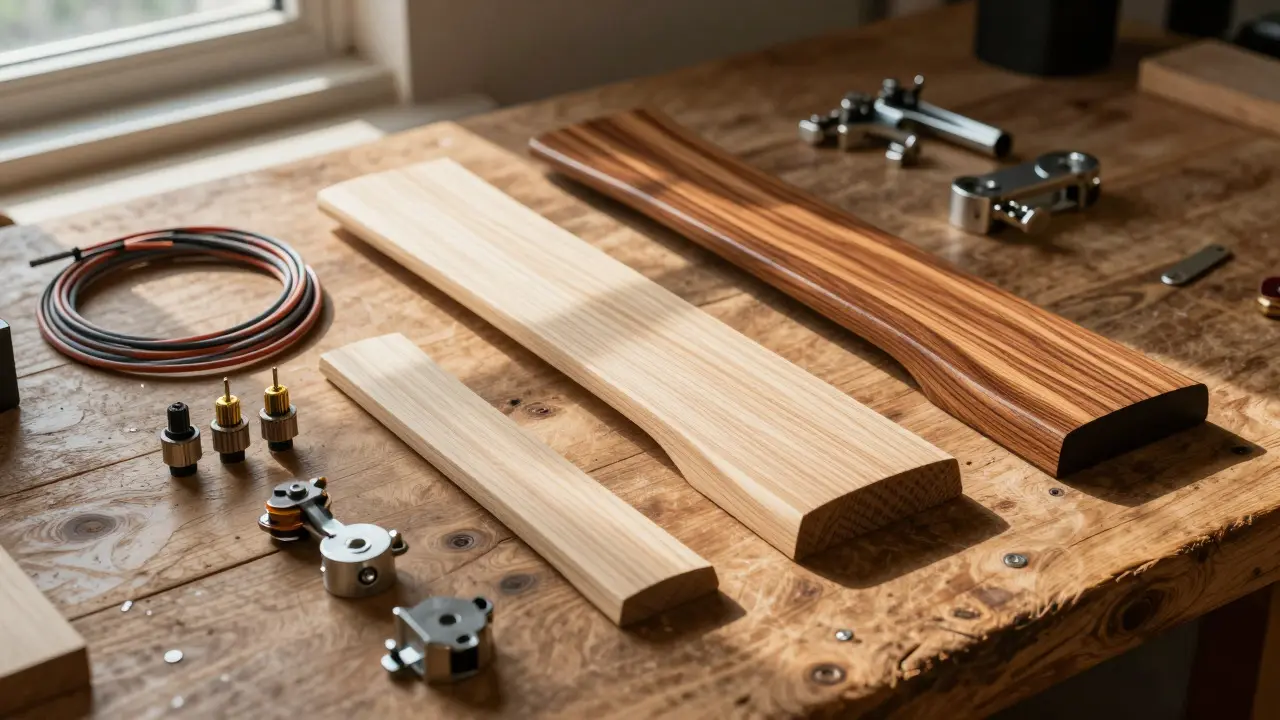
You have two main paths to owning a custom instrument: doing it yourself or hiring a professional luthier. Both have distinct advantages depending on your budget, skill level, and timeline.
| Factor | DIY Build | Luthier Commission |
|---|---|---|
| Cost Range | $500 - $1,500 (materials only) | $3,000 - $10,000+ |
| Time Investment | 100 - 200 hours | 3 - 6 months wait time |
| Skill Required | Moderate to High (routing, wiring, finishing) | None (consultation only) |
| Customization Level | Unlimited (if you can execute it) | High (limited by luthier's expertise) |
| Risk Factor | High (potential for mistakes) | Low (professional guarantee) |
If you choose the DIY route, start with a kit. Kits come pre-routed and sanded, allowing you to focus on assembly and finishing. This reduces the risk of ruining expensive wood. If you hire a luthier, prepare a detailed spec sheet. Include reference photos, desired scale length, and specific pickup brands. Clear communication prevents costly revisions later.
Common Pitfalls to Avoid
Even experienced builders make mistakes. One common error is ignoring the scale length. A shorter scale (like 24.75 inches) offers lower tension and easier bending, while a longer scale (25.5 inches) provides tighter strings and better intonation. Another pitfall is over-specifying. Trying to cram too many features into one guitar can make it unwieldy. Keep the design functional. If you don’t need a coil-split switch, don’t add it. Simplicity often results in a more usable instrument. Finally, don’t neglect the setup. A custom guitar is only as good as its final adjustment. Ensure the truss rod is properly aligned and the action is set to your preference before declaring the build complete.
Caring for Your Custom Instrument
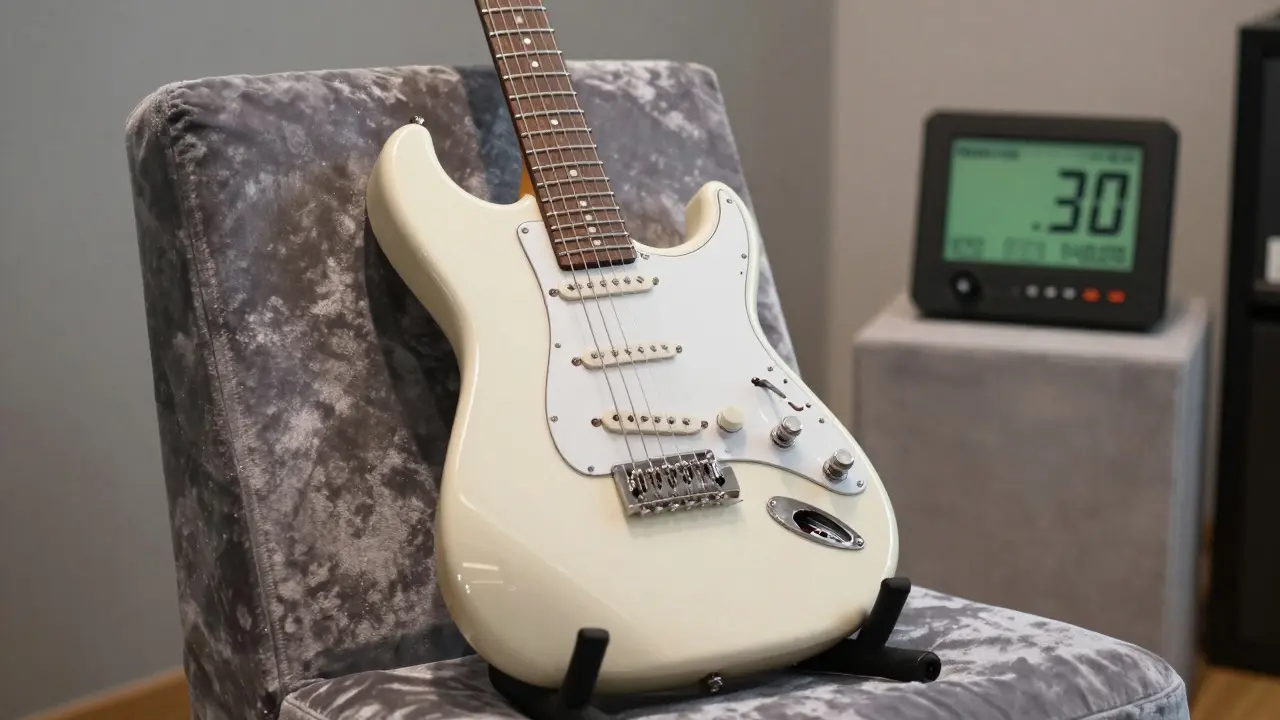
Once your guitar is finished, maintenance becomes critical. Custom finishes, especially polyurethane or nitrocellulose lacquer, require gentle handling. Use a soft cloth and avoid harsh chemicals. Check the humidity levels in your storage area; wood expands and contracts with moisture changes. Keeping relative humidity between 45% and 55% protects the neck from warping. Regularly clean the frets and lubricate the moving parts of the tremolo system if equipped. Treating your custom build with care ensures it retains its value and playability for decades.
Frequently Asked Questions
How much does it cost to build a custom electric guitar?
A DIY kit typically costs between $500 and $1,500 for materials. Hiring a professional luthier usually ranges from $3,000 to over $10,000, depending on the quality of components and the complexity of the design.
What is the best wood for a beginner custom build?
Alder is generally recommended for beginners. It is stable, easy to work with, and has a neutral tone that suits most genres. It is also widely available and less expensive than exotic woods like Koa or Maple.
Can I modify a stock guitar instead of building from scratch?
Yes, modifying a stock guitar is a popular alternative. You can swap pickups, replace the nut, refinish the body, or install new hardware. This is often cheaper and faster than a full custom build but offers less structural customization.
How long does it take to build a custom guitar?
For a first-time DIY builder, expect 100 to 200 hours of work. This includes routing, sanding, wiring, and finishing. Professional commissions typically take 3 to 6 months due to workshop schedules and curing times for finishes.
Do custom guitars hold their value well?
Generally, no. Custom builds are personal instruments and do not appreciate like limited-edition factory models. However, they hold sentimental value and provide a unique playing experience that mass-produced guitars cannot replicate.