
Rock and roll didn't just change what we listened to; it rewired how society viewed youth, rebellion, and self-expression. From the dusty jukeboxes of the 1950s to the streaming algorithms of today, rock music has been a constant force, shifting from a niche genre to a global cultural pillar. But how did it get there? It wasn't a straight line. It was a series of shocks, fusions, and reinventions that kept the genre alive for over seven decades.
This isn't just a list of famous bands. It’s a look at the specific shifts in sound, technology, and culture that defined each era. Whether you grew up with vinyl or MP3s, understanding these transitions helps explain why the music sounds the way it does now.
The 1950s: The Electric Spark
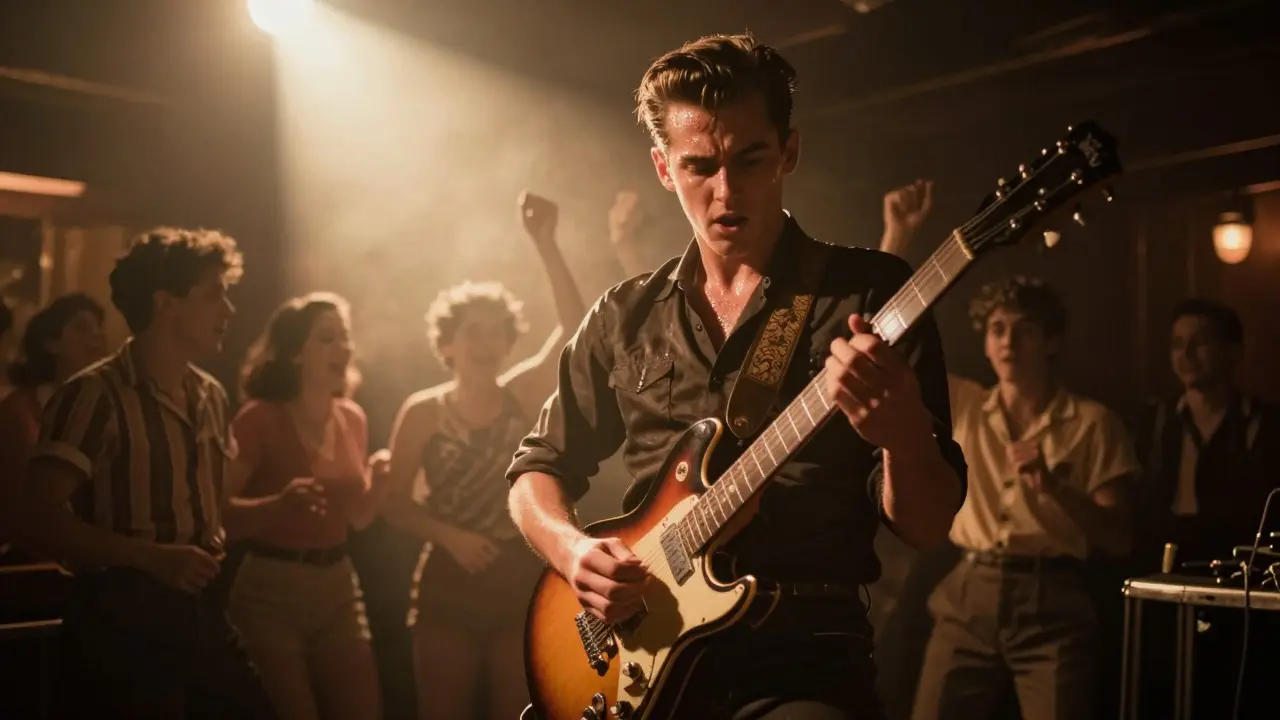
Before rock, there was rhythm and blues, country, and gospel. In the mid-1950s, artists like Elvis Presley and Chuck Berry started blending these genres with electric guitars and driving backbeats. This fusion created something new: rock and roll. It was faster, louder, and more sexually charged than its predecessors, which shocked conservative audiences but captivated teenagers.
The technology behind this shift was crucial. The widespread adoption of affordable electric guitars, particularly the Fender Stratocaster and Gibson Les Paul models, allowed musicians to sustain notes and create riffs that acoustic instruments couldn’t match. Radio stations began playing these new songs, breaking down racial barriers by introducing Black artists to white audiences on a massive scale. By the end of the decade, rock wasn't just a genre; it was a lifestyle for the post-war generation.
The 1960s: The Psychedelic Explosion
If the 50s were about energy, the 60s were about experimentation. The British Invasion, led by The Beatles, brought a wave of melodic sophistication to rock. But as the decade progressed, the focus shifted from simple pop structures to complex arrangements and extended compositions. Bands like The Rolling Stones and The Kinks pushed the boundaries of what a three-minute single could be.
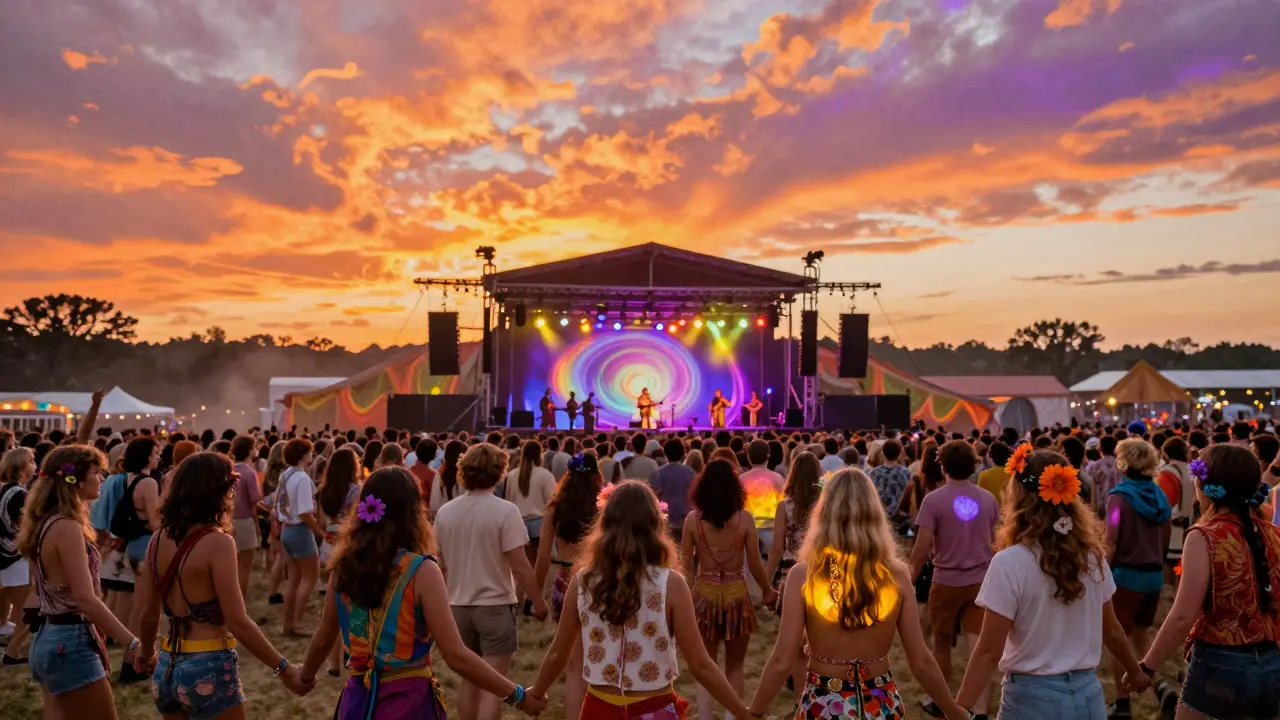
The latter half of the decade saw the rise of psychedelic rock. Influenced by the counterculture movement and the use of drugs like LSD, bands such as The Grateful Dead and Jefferson Airplane used feedback, delay effects, and sitar to create swirling, hypnotic soundscapes. Festivals like Woodstock in 1969 became cultural landmarks, symbolizing peace, love, and musical freedom. This era established rock as a vehicle for social commentary and artistic expression, moving beyond entertainment into philosophy.
The 1970s: Hard Rock and Punk Rebellion
The 70s split into two distinct movements. On one side, you had hard rock and heavy metal emerging from bands like Led Zeppelin, Black Sabbath, and Deep Purple. These groups emphasized powerful riffs, virtuosic guitar solos, and massive stadium shows. On the other side, punk rock erupted in the late 70s as a reaction against the perceived excesses of prog rock and mainstream commercialism.
Punk, pioneered by The Ramones, The Sex Pistols, and The Clash, stripped rock down to its bare essentials: fast tempos, simple chords, and raw aggression. It was DIY (Do It Yourself) ethos in action. You didn't need expensive equipment or years of training to start a band; you just needed attitude. This democratization of rock music inspired countless local scenes worldwide, proving that rock was accessible to everyone, not just polished professionals.
The 1980s: Glamour and Alternative Undercurrents
The 80s are often remembered for hair metal and MTV. Bands like Bon Jovi, Def Leppard, and Guns N' Roses dominated the airwaves with catchy hooks, big hair, and flashy visuals. The introduction of MTV changed how music was consumed, making video clips as important as the audio. This era polished rock's image, making it slick, commercial, and highly marketable.
However, beneath the surface, an alternative scene was brewing. In cities like Seattle, Minneapolis, and New York, bands like Nirvana, Hüsker Dü, and Sonic Youth were crafting darker, grittier sounds that rejected the polish of the mainstream. This underground movement laid the groundwork for the next major shift. While the charts were filled with power ballads, the future of rock was being written in small clubs and independent record labels.
The 1990s: The Grunge Takeover
Grunge arrived in the early 90s, spearheaded by Nirvana, Pearl Jam, and Soundgarden. It combined the rawness of punk with the heaviness of metal, wrapped in flannel shirts and anti-commercial lyrics. Nirvana's album "Nevermind" is often cited as the moment rock reclaimed its edge after the 80s. Kurt Cobain's death in 1994 also marked a somber turning point, ending the grunge era abruptly.
As grunge faded, other subgenres took center stage. Britpop, led by Oasis and Blur, celebrated British identity and nostalgia. Indie rock flourished with bands like Radiohead and Pavement, who experimented with structure and sound. The 90s proved that rock could evolve without losing its core identity, adapting to new social climates while maintaining its rebellious spirit.

The 2000s and Beyond: Fragmentation and Revival
The 2000s saw rock face its biggest challenge yet: fragmentation. Hip-hop and R&B dominated the charts, and rock splintered into numerous subgenres like nu-metal, emo, and post-grunge. Bands like Linkin Park and Foo Fighters found success, but the unified "rock star" culture began to dissolve. The internet allowed fans to discover niche artists, reducing the need for a single dominant genre.
In recent years, however, there has been a notable revival. Artists like Arctic Monkeys, The Strokes, and Tame Impala have bridged the gap between classic rock sensibilities and modern production techniques. Streaming platforms have made it easier than ever to access the entire history of rock, leading to a renewed interest in vintage sounds. Today, rock music is less about dominating the top 40 and more about sustaining a dedicated, global community that values authenticity and sonic exploration.
Why Rock Endures
Rock music survives because it is adaptable. It absorbs influences from jazz, classical, electronic, and hip-hop, constantly renewing itself. The core elements remain: the electric guitar, the drum kit, and the bass guitar, driven by human emotion. Whether it's the roar of a live crowd or the quiet intensity of a studio recording, rock offers a space for both collective experience and personal reflection. As long as there are people looking for a voice that feels authentic and powerful, rock will continue to find new ways to speak.
What was the first rock and roll song?
There is no single definitive first song, as the genre evolved from multiple sources. However, Bill Haley & His Comets' "Rock Around the Clock" (1954) is often cited as the breakthrough hit that popularized the term and style for a mass audience.
How did technology influence rock music evolution?
Technology was a primary driver. The invention of the affordable electric guitar enabled the 50s explosion. Amplifiers and effects pedals shaped the 60s and 70s sounds. Multi-track recording studios allowed for complex layering in the 70s and 80s. Finally, digital audio workstations and streaming services in the 2000s changed how music is produced and distributed.
Is rock music dead in the 2020s?
No, but it has changed. It no longer dominates the top 40 charts as it did in the 80s and 90s. Instead, it thrives in niche communities, festivals, and streaming playlists. Many contemporary artists blend rock with pop, electronic, and hip-hop, ensuring its elements remain prevalent in modern music consumption.
What is the difference between rock and pop?
While the lines blur, rock typically emphasizes instrumental proficiency, particularly the electric guitar, and often carries themes of rebellion or introspection. Pop tends to prioritize vocal melodies, accessibility, and production polish. However, many successful artists, like The Beatles and Queen, successfully blended both styles.
Which decade had the most significant impact on rock music?
The 1960s are widely considered the most transformative. This is when rock moved from a novelty dance craze to a serious art form capable of expressing complex social and political ideas. The structural innovations and cultural weight added during this decade set the template for all subsequent eras.