
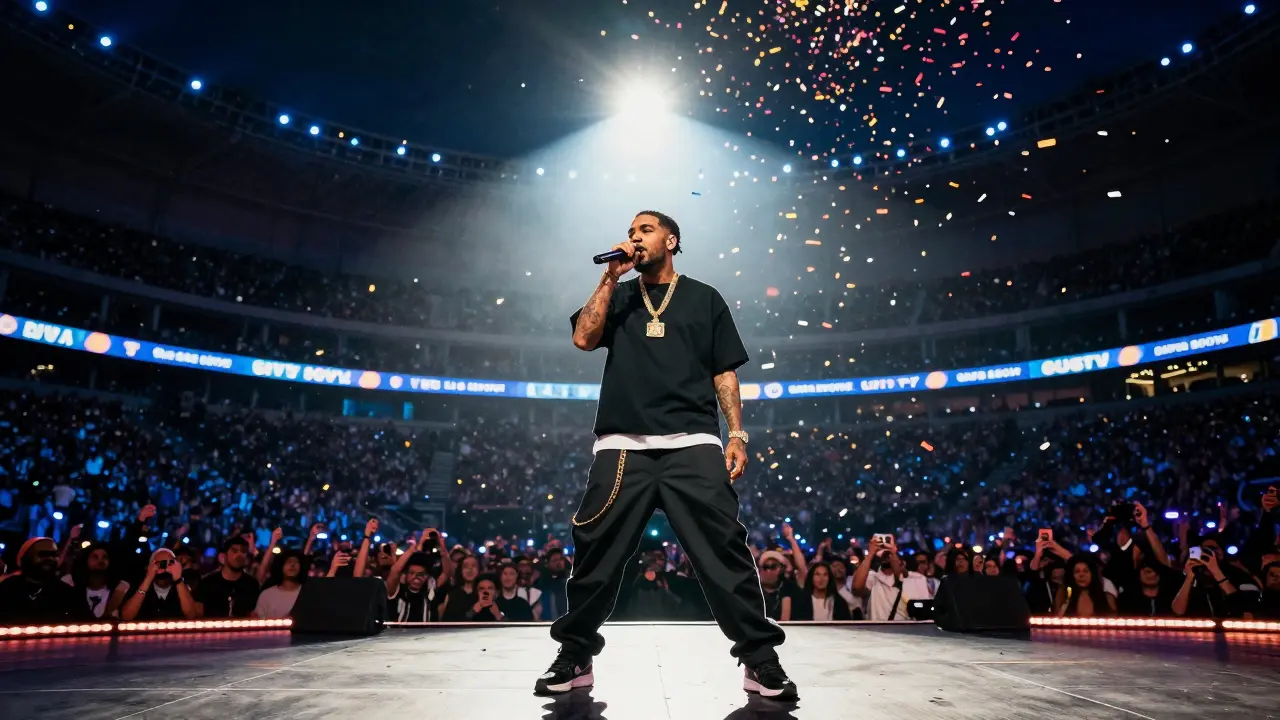
When Kendrick Lamar performed at the Super Bowl LVI in February 2022, he didn't just drop beats; he dropped a bomb. As confetti rained down on the Los Angeles Coliseum, his verse referencing police brutality and systemic racism sent shockwaves through the audience and sparked immediate debate across social media. This wasn't an anomaly. It was the latest chapter in a decades-long tradition where hip hop music serves as a potent platform for political expression and social commentary.
You might think of rap as just party anthems or club bangers, but if you listen closely to the lyrics that have defined the genre since its birth in the Bronx during the 1970s, you’ll hear something else entirely: a voice for the voiceless. Hip hop has always been more than entertainment. It is a newspaper, a protest sign, and a megaphone rolled into one cultural force.
The Roots of Resistance: How Hip Hop Became Political
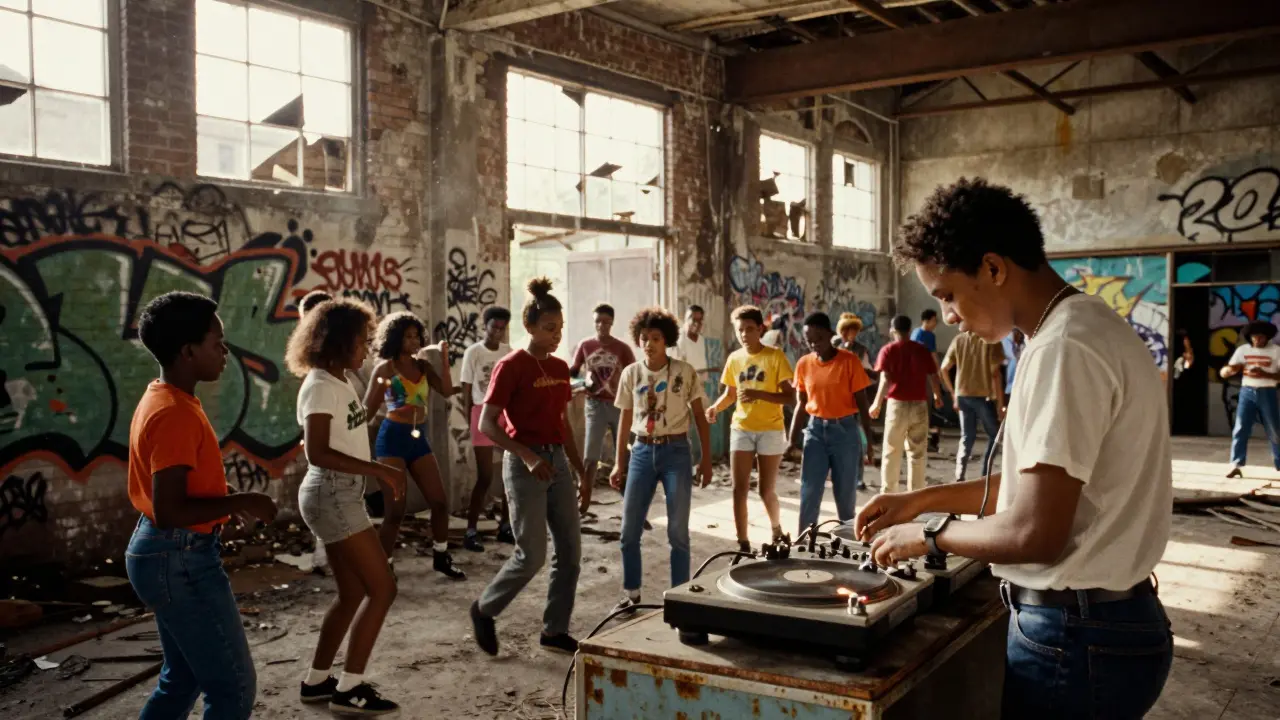
To understand why hip hop is so deeply tied to politics, you have to look at where it started. In the late 1970s, New York City was crumbling under fiscal crisis, neglect, and rising crime rates. The South Bronx was literally burning. Into this void stepped DJs like Kool Herc, who created the breakbeat technique, and MCs who began rhyming over these loops.
Early hip hop wasn't explicitly "political" in the way we think of campaign speeches, but it was inherently sociopolitical. Songs like Grandmaster Flash and the Furious Five's "The Message" (1982) changed everything. Before this track, most rap was about having fun. "The Message" talked about broken glass, rats, and the despair of inner-city life. It introduced the concept of "conscious rap"-music that forces listeners to confront harsh realities.
This shift established a blueprint. If you lived in marginalized communities, ignored by mainstream media and politicians, hip hop became your primary source of news and validation. It documented what television cameras refused to show.
The Golden Age of Conscious Rap
By the late 1980s and early 1990s, hip hop had evolved from street corner poetry into a sophisticated vehicle for ideological warfare. This era, often called the "Golden Age," produced groups that treated their albums like political manifestos.
Public Enemy stands out as the most influential political act in hip hop history. With Chuck D on the mic and Flavor Flav providing chaotic energy, they delivered tracks like "Fight the Power" and "911 Is a Joke." Their production, handled by the Bomb Squad, used dense layers of samples to create a sonic wall of sound that mirrored the chaos of the messages they preached. They weren't asking for permission; they were demanding rights.
At the same time, N.W.A brought raw, unfiltered anger to the West Coast with "Fuck tha Police." While controversial and criticized for glorifying violence, the song highlighted the tension between Black youth and law enforcement, a topic that remains central to political discourse today. These artists proved that hip hop could challenge authority directly and survive the backlash.
| Era | Key Artists | Primary Political Focus |
|---|---|---|
| 1980s (Awareness) | Grandmaster Flash, KRS-One | Poverty, urban decay, drug epidemic |
| 1990s (Activism) | Public Enemy, Tupac Shakur | Racial injustice, police brutality, systemic oppression |
| 2000s-2010s (Global & Identity) | Kanye West, Jay-Z | Capitalism, mental health, Black empowerment |
| 2020s (Intersectionality) | Kendrick Lamar, Noname | Systemic racism, gender equity, economic inequality |
From Protest to Policy: Hip Hop’s Real-World Impact
Political expression in hip hop isn't limited to lyrics. Over the years, artists have moved from commenting on issues to actively participating in policy changes. This transition marks a significant evolution in how the genre engages with power structures.
In 2004, Jay-Z and other high-profile rappers joined the Amnesty International "Hip Hop Speaks Out" tour. This initiative aimed to educate fans about human rights violations globally, proving that hip hop audiences cared about international justice, not just local struggles. Later, Jay-Z invested heavily in criminal justice reform, partnering with organizations like the Equal Justice Initiative to fight against mass incarceration.
Similarly, Tupac Shakur, though deceased, remains a symbol of revolutionary thought. His poem "Rose That Grew from Concrete" and songs like "Changes" continue to inspire movements for equality. Today, activists cite his work when discussing restorative justice and community policing reforms.
This engagement goes beyond charity. Artists use their platforms to influence elections. During the 2020 U.S. presidential election, numerous hip hop figures endorsed candidates, organized voter registration drives, and used their social media reach to mobilize young voters. The result? Record-breaking youth turnout in key swing states.
Digital Activism: Social Media and Viral Moments
In the 2020s, the platform for political expression has shifted from radio waves to smartphone screens. Social media allows hip hop artists to bypass traditional gatekeepers and speak directly to millions of followers instantly.
Consider the aftermath of George Floyd’s murder in May 2020. Within hours, hip hop stars posted statements, donated funds, and organized virtual vigils. Kendrick Lamar released "The Heart Part 5," a poignant reflection on racial trauma that garnered tens of millions of views. Lil Baby and Drake collaborated on "The Bigger Picture," addressing systemic racism with explicit lyrics that trended worldwide.
These digital moments create viral awareness campaigns. When an artist with 50 million followers discusses voting rights or police accountability, it reaches demographics that traditional political ads miss. However, this also raises questions about performative activism. Are artists genuinely committed to change, or are they capitalizing on trending topics?
Critics argue that some celebrities engage in "slacktivism"-posting hashtags without taking meaningful action. Yet, even symbolic gestures can shift public opinion. Studies show that celebrity endorsements increase voter registration among young adults by up to 15% in targeted regions.
Challenges and Criticisms: Commercialization vs. Authenticity
Despite its potential for good, hip hop faces criticism regarding its political integrity. As the genre became a multi-billion dollar industry, concerns arose about whether commercial success diluted its activist roots.
Mainstream labels often prefer catchy hooks over complex socio-political narratives. This pressure leads some artists to soften their messages to appeal to broader audiences. For example, trap music, which dominates charts today, frequently focuses on material wealth and street life rather than structural critique. Does this mean hip hop has lost its political edge?
Not necessarily. Underground scenes thrive independently. Artists like Noname and Saba maintain rigorous political standards while building dedicated fanbases. They release music on independent labels, ensuring creative control and authentic messaging.
Moreover, even commercial hits carry subtle political undertones. When Megan Thee Stallion raps about female empowerment in male-dominated spaces, she challenges patriarchal norms. When Cardi B addresses poverty and immigration status, she humanizes marginalized experiences. Politics doesn't always require overt slogans; sometimes, representation itself is radical.
Global Reach: Hip Hop Beyond Borders
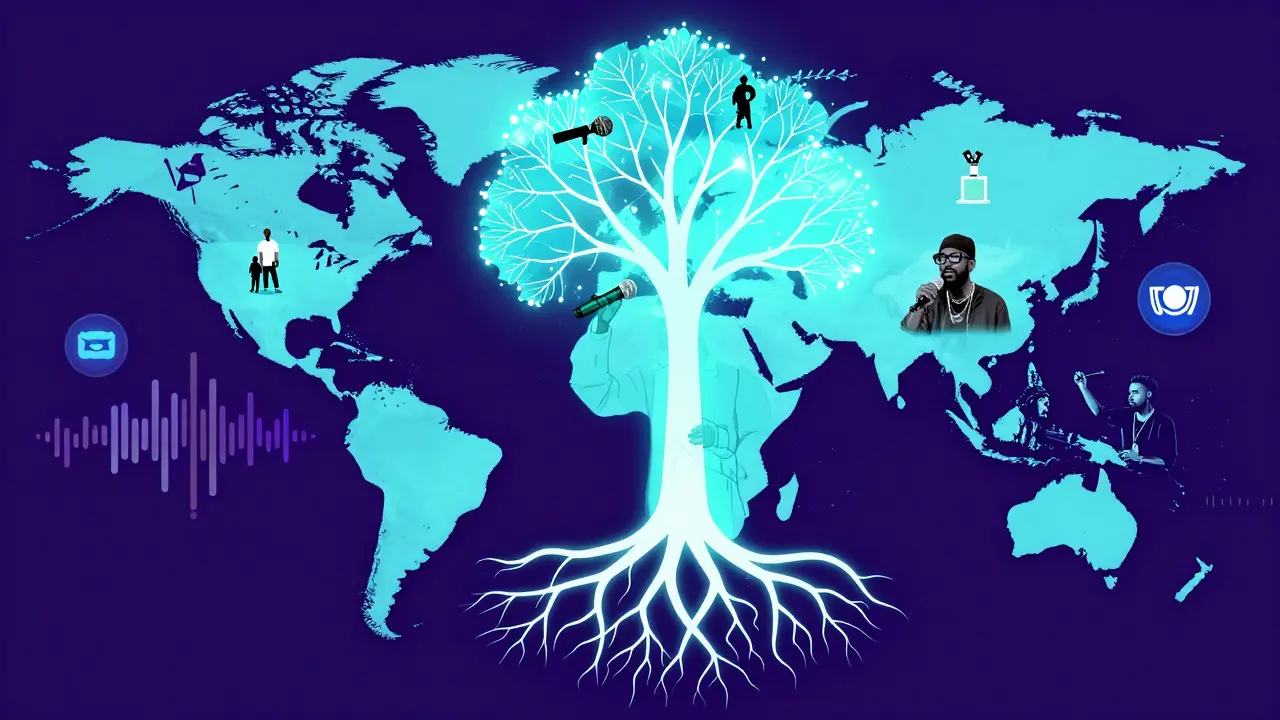
Hip hop’s political influence extends far beyond America. In countries facing authoritarian regimes, censorship, or civil unrest, hip hop provides a safe space for dissent.
In Iran, rappers face imprisonment for criticizing the government, yet underground scenes persist. Artists like Shervin Hajipour gained global fame after releasing "Baraye" (For...), a song supporting the 2022 protests following Mahsa Amini’s death. The track became an anthem for freedom, transcending language barriers.
In France, banlieue (suburban) rappers address Islamophobia, unemployment, and police harassment. Groups like NTM pioneered French political rap in the 1990s, paving the way for newer generations to tackle contemporary issues like terrorism and integration.
Africa sees hip hop driving democratic movements. In Nigeria, Burna Boy uses his music to advocate for pan-African unity and criticize colonial legacies. In South Africa, Prophets of Da City challenged apartheid laws through provocative lyrics during the 1990s.
This global spread demonstrates that hip hop’s core function-as a tool for resistance-is universal. Regardless of geography, oppressed communities adopt hip hop because it offers structure for expressing anger, hope, and demand for justice.
Future Directions: Where Does Political Hip Hop Go Next?
As technology advances and societal challenges evolve, so too will hip hop’s role in political expression. Artificial intelligence, virtual reality, and blockchain present new avenues for artistic innovation and activism.
Imagine immersive VR experiences where users walk through historical sites of civil rights struggles, narrated by hip hop artists. Or NFT projects funding grassroots organizations directly, cutting out intermediaries. These innovations could deepen engagement and ensure transparency in charitable efforts.
Additionally, intersectionality will likely shape future themes. Modern activists recognize that race, gender, sexuality, and class intersect in complex ways. Hip hop artists are increasingly addressing LGBTQ+ rights, disability advocacy, and environmental justice alongside traditional racial equity topics.
Education plays a crucial role here. Schools incorporating hip hop literacy programs help students analyze lyrics critically, fostering media literacy and civic awareness. By treating rap texts as literature, educators empower youth to become informed citizens.
Conclusion: The Enduring Power of the Mic
Hip hop music remains one of the most effective platforms for political expression in modern history. From the streets of the Bronx to stadiums worldwide, it amplifies voices that would otherwise go unheard. Whether through conscious lyrics, direct activism, or digital mobilization, hip hop continues to drive social change.
Its strength lies in authenticity. Audiences trust artists who share real-life struggles, making their political messages resonate deeply. As long as inequality exists, hip hop will serve as both mirror and hammer-reflecting society’s flaws and striking against them.
So next time you hear a rap song, listen beyond the beat. You might just be hearing the soundtrack of revolution.
What is the most politically influential hip hop album of all time?
Many experts consider Public Enemy's "It Takes a Nation of Millions to Hold Us Back" (1988) the most influential. Its dense production and aggressive lyrics addressed systemic racism and police brutality, setting a standard for political rap.
How does hip hop impact voter turnout among young people?
Research indicates that when prominent hip hop artists endorse candidates or promote voting initiatives, youth voter registration increases significantly. For instance, during the 2020 U.S. election, celebrity involvement correlated with record-high participation rates among voters aged 18-29.
Is there a difference between conscious rap and mumble rap regarding politics?
Yes. Conscious rap explicitly focuses on social issues and intellectual themes, whereas mumble rap prioritizes melody and vibe over lyrical clarity. However, critics note that dismissing mumble rap ignores its cultural context and emotional resonance, which can still reflect political sentiments indirectly.
Can hip hop be considered a form of journalism?
Absolutely. Often referred to as "CNN of the ghetto," hip hop documents daily life in marginalized communities, reporting on events overlooked by mainstream media. Artists act as citizen journalists, sharing firsthand accounts of injustice and resilience.
Which current hip hop artists are leading political conversations?
Artists like Kendrick Lamar, J. Cole, and Noname consistently address political themes. Additionally, international figures such as Burna Boy (Nigeria) and El General (Haiti) bring global perspectives to issues like colonialism and economic disparity.