
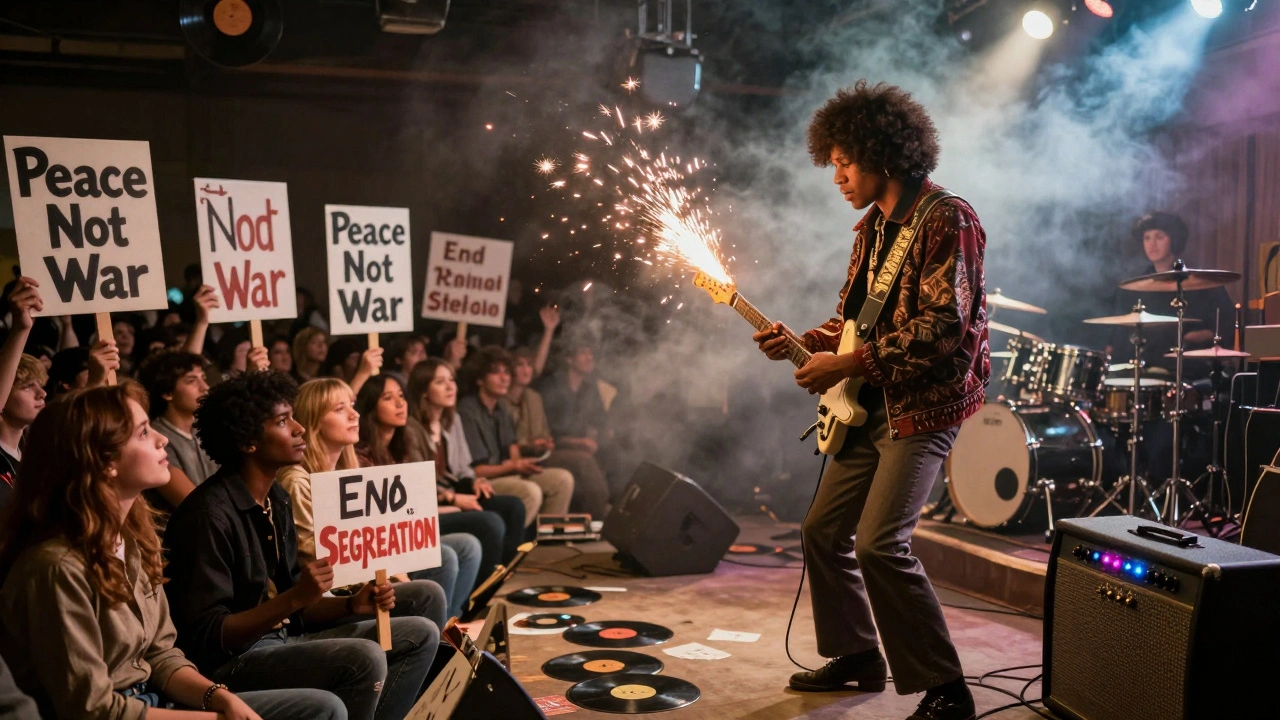
Rock music never stayed in the studio. From the smoky clubs of 1950s America to the barricades of Eastern Europe in the 1980s, it became a voice for the voiceless, a weapon against oppression, and a soundtrack for revolutions. It wasn’t just noise-it was defiance wrapped in electric guitars and raw vocals. When governments tried to silence dissent, rock musicians answered louder.
Rock’s Birth Was a Political Act
Rock and roll didn’t start as a genre-it started as rebellion. In the 1950s, Black artists like Chuck Berry, Little Richard, and Sister Rosetta Tharpe fused gospel, blues, and R&B into something new. White teenagers bought their records. White radio stations played them reluctantly. White parents panicked. The music crossed racial lines at a time when segregation was law in many U.S. states. That alone made it dangerous. When Elvis Presley covered Berry’s ‘Maybellene,’ he didn’t just borrow a melody-he borrowed a culture that had been pushed to the margins. The establishment called it ‘devil’s music.’ The kids called it freedom.
By the early 1960s, rock had grown up. The Beatles sang about love, but they also sang about peace. Bob Dylan, once a folk singer, plugged in his guitar in 1965 and turned a generation upside down. His song ‘The Times They Are A-Changin’’ wasn’t just poetic-it was a call to arms. Students copied the lyrics onto protest signs. Police arrested people for singing it at rallies. The music didn’t just reflect change-it helped force it.
Protest Songs That Changed Laws
Rock didn’t just comment on politics-it changed them. In 1969, Jimi Hendrix played his version of ‘The Star-Spangled Banner’ at Woodstock. Feedback, distortion, and screams mimicked bombs and screaming soldiers. It was chaos. It was truth. The crowd didn’t boo. They wept. That performance didn’t end the Vietnam War, but it made millions question it. In 1970, after the Kent State shootings, Neil Young wrote ‘Ohio.’ Within weeks, it was on every radio station. The song named names: Nixon, the National Guard. It didn’t ask for change-it demanded it.
Across the Atlantic, Pink Floyd’s ‘Another Brick in the Wall (Part 2)’ became an anthem for school strikes in the UK and student uprisings in South Africa. In 1984, South African students sang it during protests against apartheid. The government banned the song. Kids still sang it. The regime couldn’t silence it. In 1989, the same song echoed through Tiananmen Square. It wasn’t just a tune-it was a signal. A way to say, ‘We’re still here.’
Rock as Resistance in Dictatorships
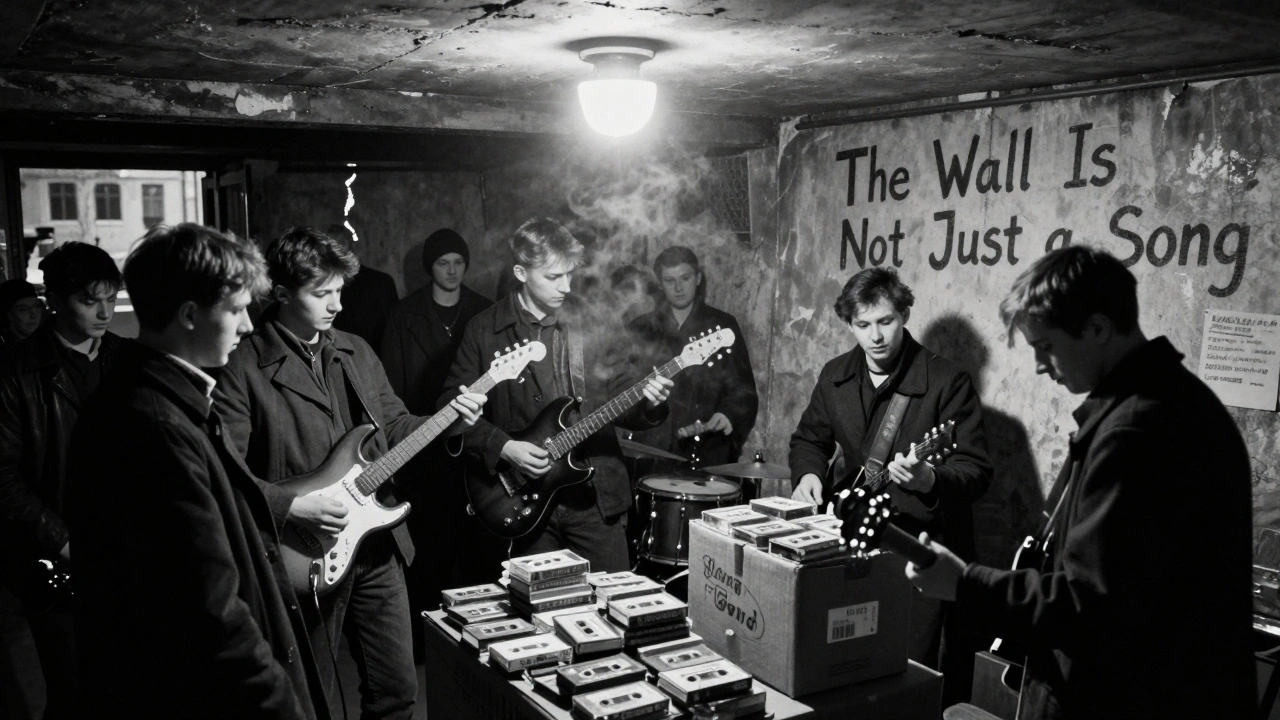
Rock didn’t just thrive in democracies-it survived under dictatorships. In Poland during the 1980s, the communist regime banned Western music. Yet underground bands like Kryzys and Republika played secret gigs in basements. They used coded lyrics. ‘The Wall’ wasn’t about school-it was about the state. When Solidarity, the labor union that helped bring down communism, needed a soundtrack, they turned to rock. Bands played at factory gates. Workers sang along. The state called it subversion. The workers called it hope.
In the Soviet Union, Boris Grebenshchikov’s band Aquarium was banned from performing. Their lyrics spoke of loneliness, bureaucracy, and lost ideals. Fans smuggled tapes across borders. When Gorbachev introduced glasnost in 1986, Grebenshchikov was invited to perform on national TV. He played ‘The Train’-a song about escape. The audience didn’t cheer. They sat in silence. Then they stood. That silence was louder than any chant.
Even in Chile, after Pinochet’s coup in 1973, rock became a quiet act of resistance. Victor Jara, a folk singer, was tortured and killed for his music. But his songs lived on. Young musicians in Santiago started playing rock versions of his lyrics. They didn’t need to name Pinochet. Everyone knew who they meant.
Corporate Rock and the Co-opting of Rebellion
Not every rock band that spoke out stayed true. By the 1990s, major labels realized protest sold. Bands like Rage Against the Machine were signed, marketed, and turned into commodities. Their albums sold millions. Their message? Still there. But now it came with a logo on a T-shirt. The same shirts sold in malls where kids had never been to a protest.
Corporate rock didn’t kill political rock-it diluted it. Metallica played at the 2004 Republican National Convention. They didn’t endorse Bush, but the image stuck: rock as a neutral party. Meanwhile, bands like System of a Down kept speaking out-against the Iraq War, against genocide denial. They didn’t get the same airplay. But their fans didn’t need radio. They shared the songs online. They organized benefit concerts. They kept the fire alive.
Modern Rock and the Digital Age
Today, rock isn’t the dominant genre-it’s not even the most streamed. But its political spirit lives on. Bands like Idles from Bristol don’t just sing about inequality-they fund food banks. They invite activists on stage. They refuse to play festivals that don’t pay their crew fairly. In 2023, they canceled a show in Israel to protest the Gaza blockade. The backlash was loud. But they stood by it.
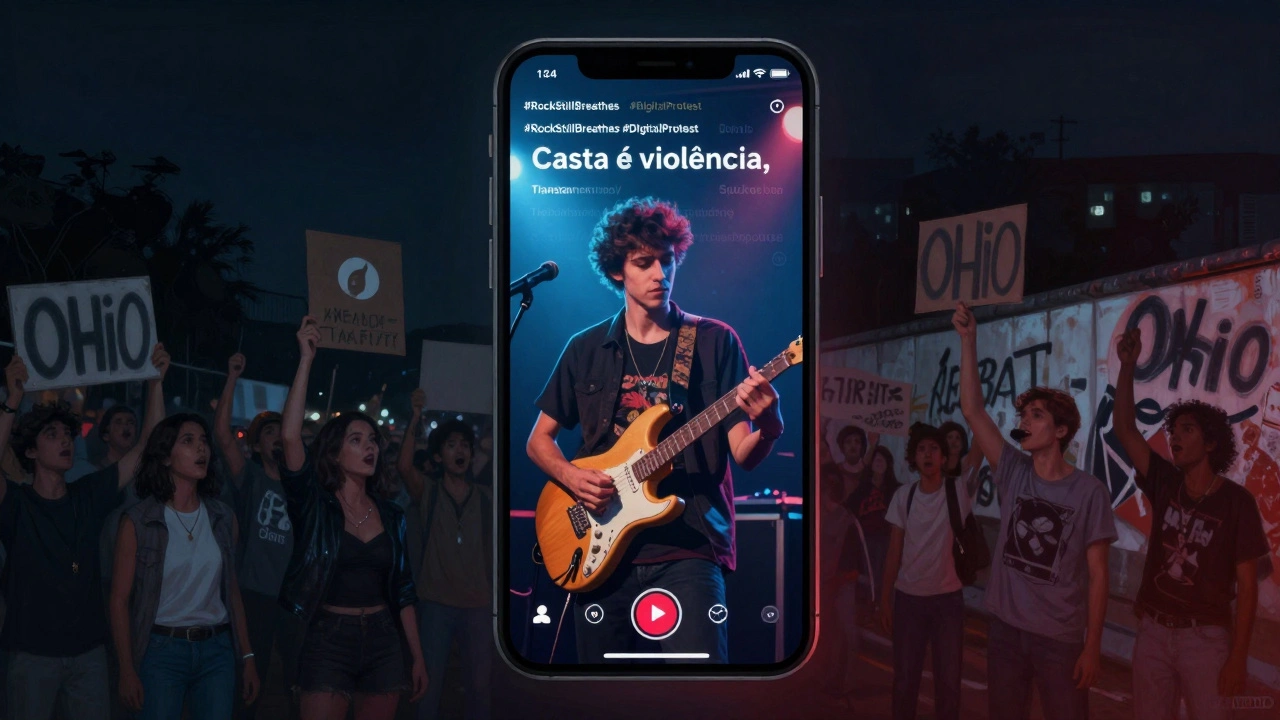
In Brazil, Racionais MC’s, though hip-hop, carry the same rock spirit: raw, unfiltered, dangerous. In India, bands like Zero and The Local Train write songs about caste violence and government corruption. Their videos get blocked on YouTube. They upload them anyway. On TikTok. On Telegram. On Discord servers. The tools changed. The message didn’t.
Rock doesn’t need stadiums anymore. It needs Wi-Fi. It doesn’t need vinyl-it needs hashtags. The guitar is still the weapon. But now it’s plugged into a smartphone.
Why Rock Still Matters
Pop music sings about heartbreak. Hip-hop sings about survival. Rock sings about power-and who holds it. It’s the only genre that still makes people feel like they can break something and rebuild it better. When a teenager puts on a Black Flag shirt and shouts along to ‘Rise Above,’ they’re not just listening to a song. They’re joining a 70-year-old tradition of saying, ‘No.’
Politics changes. Governments rise and fall. But rock music remembers. It remembers the names of the disappeared. It remembers the songs banned in prisons. It remembers the kids who sang in the dark. And as long as there’s injustice, there will be someone with a guitar, a microphone, and nothing left to lose.
Can rock music still influence politics today?
Yes. While rock isn’t the dominant genre on streaming platforms, its spirit lives in bands that use music as direct activism. Groups like Idles, Run the Jewels, and The Interrupters don’t wait for permission-they organize, fundraise, and protest through their art. Social media lets them bypass traditional media and connect directly with audiences who care. A viral protest song today can spark a global movement faster than any newspaper.
Why did governments ban rock music?
Because rock challenged authority. It gave youth a voice, broke racial and social barriers, and spread ideas that threatened control. In communist Poland, rock was called ‘ideological pollution.’ In apartheid South Africa, it was linked to the ANC. In the Soviet Union, it was seen as a tool of Western decay. Governments didn’t fear the sound-they feared what the sound inspired: unity, rebellion, and refusal to obey.
Are protest songs still effective?
Effectiveness isn’t about chart positions. It’s about resonance. A protest song works when it’s sung by people who aren’t musicians. When students chant it at rallies. When workers hum it during strikes. When it’s translated into another language and shared across borders. Songs like ‘Bella Ciao’ and ‘We Shall Overcome’ didn’t win wars-but they kept people going. Rock protest songs do the same today, even if they’re not on the radio.
Did rock music help end the Cold War?
Not alone-but it played a critical role. Western rock music, smuggled into Eastern Bloc countries on cassette tapes, became a symbol of freedom. Bands like The Clash, AC/DC, and Queen were more than entertainment-they were proof that life outside the state existed. When young people in Prague, Warsaw, and Berlin listened to these bands, they weren’t just enjoying music. They were imagining a different world. That imagination fueled dissent. In 1989, rock concerts became unofficial rallies. The Berlin Wall didn’t fall because of a song-but because millions of people, inspired by songs, refused to stay silent.
Who are the most politically influential rock bands of all time?
It depends on region and era. In the U.S., Bob Dylan, Rage Against the Machine, and Neil Young shaped protest culture. In the UK, The Clash and Pink Floyd were cultural flashpoints. In Eastern Europe, Kryzys and Aquarium gave voice to resistance. In South Africa, Johnny Clegg’s fusion of Zulu and rock broke apartheid’s racial codes. In Latin America, Soda Stereo and Victor Jara (though folk) inspired generations. These bands didn’t just write songs-they built movements.