
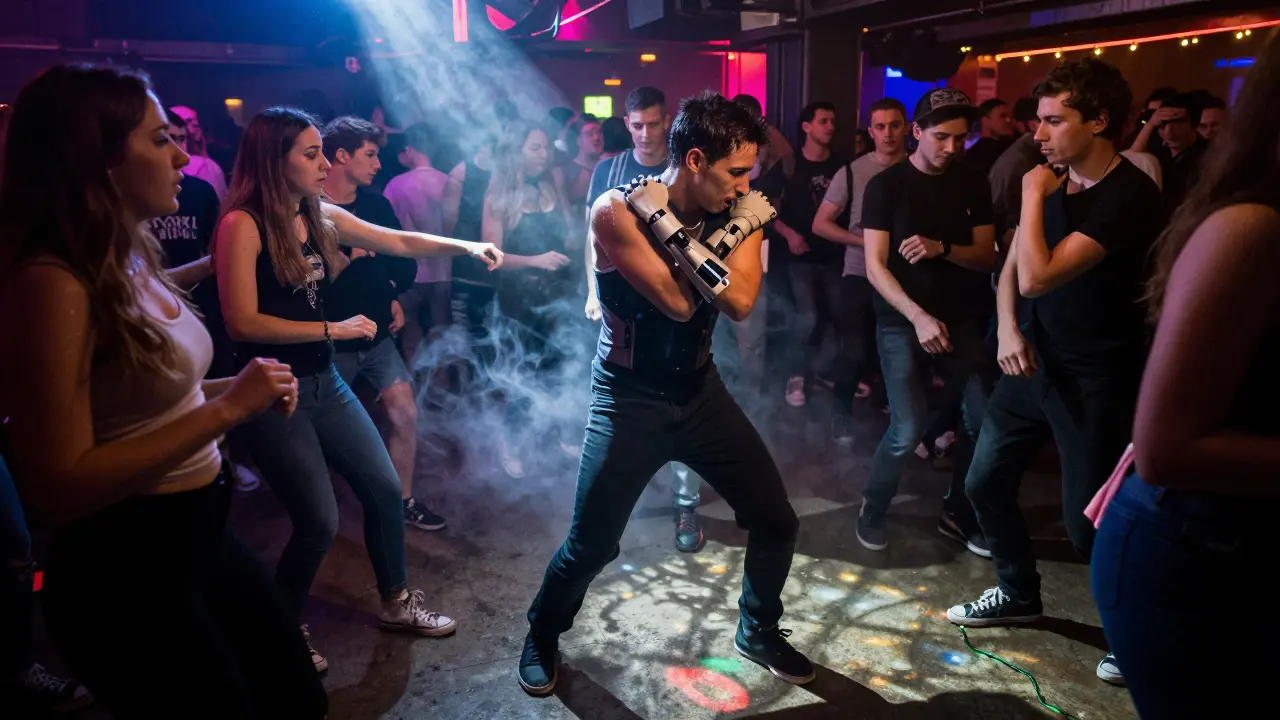
When the bass drops in a dubstep track, something happens to the crowd. It’s not just a beat-it’s a trigger. Shoulders twitch. Arms snap. Feet lock into sharp, robotic patterns that look like they were pulled straight out of a sci-fi movie. This isn’t just dancing. This is dubstep dance.
Where Dubstep Dance Comes From
Dubstep dance didn’t start on a stage. It started in underground clubs in South London around 2007, right after the music itself began to explode. Producers like Skream, Benga, and Coki were making tracks with wobbling basslines and sparse, syncopated rhythms. But the people who showed up to hear it? They didn’t just stand there. They moved. In weird, jerky, almost mechanical ways.
Early dubstep dancers were kids who grew up watching breakdancing videos online, mixing it with the robotic moves from anime and video games. They didn’t have a name for it at first. Some called it ‘wonky’. Others said ‘juking’. But when the bass hit just right, their bodies responded with sharp angles, sudden stops, and limbs that looked like they were controlled by invisible strings. That’s when it clicked: this was a new kind of dance, born from the music itself.
The Signature Moves
Dubstep dance isn’t about flow. It’s about impact. Every movement is a reaction to a sound. Here’s what you’ll see on any major dubstep stage:
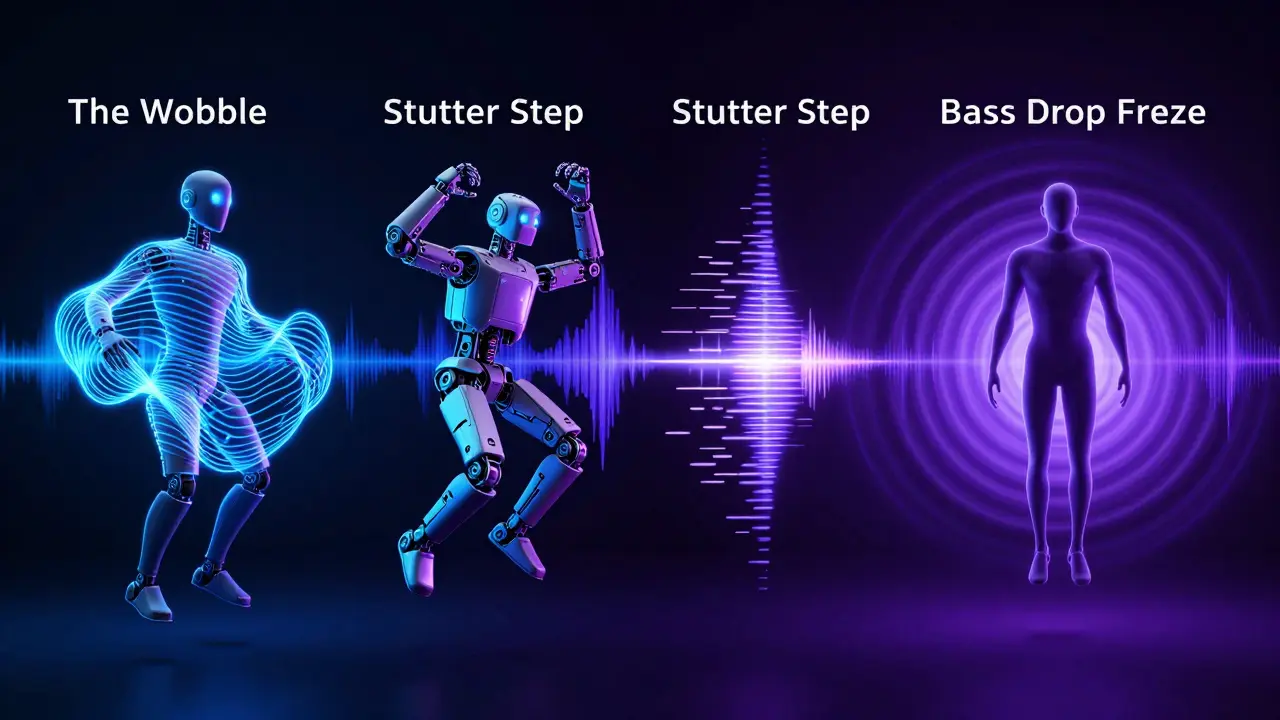
- The Wobble - A rapid, side-to-side hip motion synced to the bass wobble. It’s not a sway. It’s a pulse. You feel it in your chest before you see it.
- The Robot - Limbs lock in place like a malfunctioning machine. Joints stop mid-motion. Then-snap-back into action. Think Terminator meets a glitchy video game.
- The Stutter Step - A quick, choppy shuffle that mirrors the syncopated hi-hats. It looks like you’re stepping on hot coals, but in rhythm.
- The Bass Drop Freeze - The whole body goes still the second the drop hits. No movement. Just eyes locked forward. Then, as the next wave builds, you explode back into motion.
These moves aren’t taught in dance studios. They’re learned in parking lots after raves, in YouTube tutorials, in basement parties where someone hits play on a Skrillex track and everyone just starts moving. There’s no right or wrong way-only how hard you hit the beat.
Why It Spreads So Fast
Dubstep dance isn’t just about the music. It’s about the energy. Most dance styles reward grace, fluidity, or endurance. Dubstep dance rewards intensity. You don’t need years of training. You just need to feel the bass in your bones.
That’s why it exploded globally. In Tokyo, teens in Harajuku started doing dubstep moves at street performances. In São Paulo, crews formed in favelas, syncing their steps to illegal sound system parties. In Melbourne, where I live, you’ll see it at warehouse raves in Collingwood-kids in hoodies, sneakers, and face paint, moving like they’re wired to a subwoofer.
Unlike hip-hop or house dance, dubstep dance doesn’t rely on cultural history or lineage. It’s raw. It’s immediate. It doesn’t care if you’ve danced before. If the bass hits, your body answers.
The Role of Technology
YouTube and TikTok didn’t just spread dubstep dance-they shaped it. Videos of dancers in Berlin, Manila, and Detroit went viral in 2015. People started mimicking the moves. Then they added their own twists. One dancer in Toronto added a spinning head motion. Another in Mexico City threw in a hand gesture that looked like a robot waving goodbye. These weren’t just copies. They were upgrades.
Sound design mattered too. As dubstep producers started layering more complex bass textures-sub-bass rumbles, mid-range growls, high-frequency glitches-dancers responded with more intricate movements. The dance evolved alongside the music. You can’t do a proper dubstep dance to a simple four-on-the-floor beat. It needs that distorted, warping bassline to make sense.
It’s Not Just a Trend
Some people called dubstep dance a fad. They said it would fade when the music did. But that’s not what happened. Dubstep music changed. It split into brostep, future bass, trap, and bass house. But the dance? It didn’t disappear. It adapted.
Today, you’ll see dubstep dance moves in festival crowds at Tomorrowland, in music videos for artists like Flux Pavilion and Porter Robinson, even in commercial ads for sneakers and energy drinks. It’s become a visual language for bass-heavy music everywhere.
What’s more, it’s spawning new hybrid styles. ‘Trapstep’ blends dubstep’s sharpness with trap’s bounce. ‘Basscore’ mixes it with krump’s aggression. These aren’t just remixes-they’re new dance languages built on the same foundation.
Who’s Doing It Now?
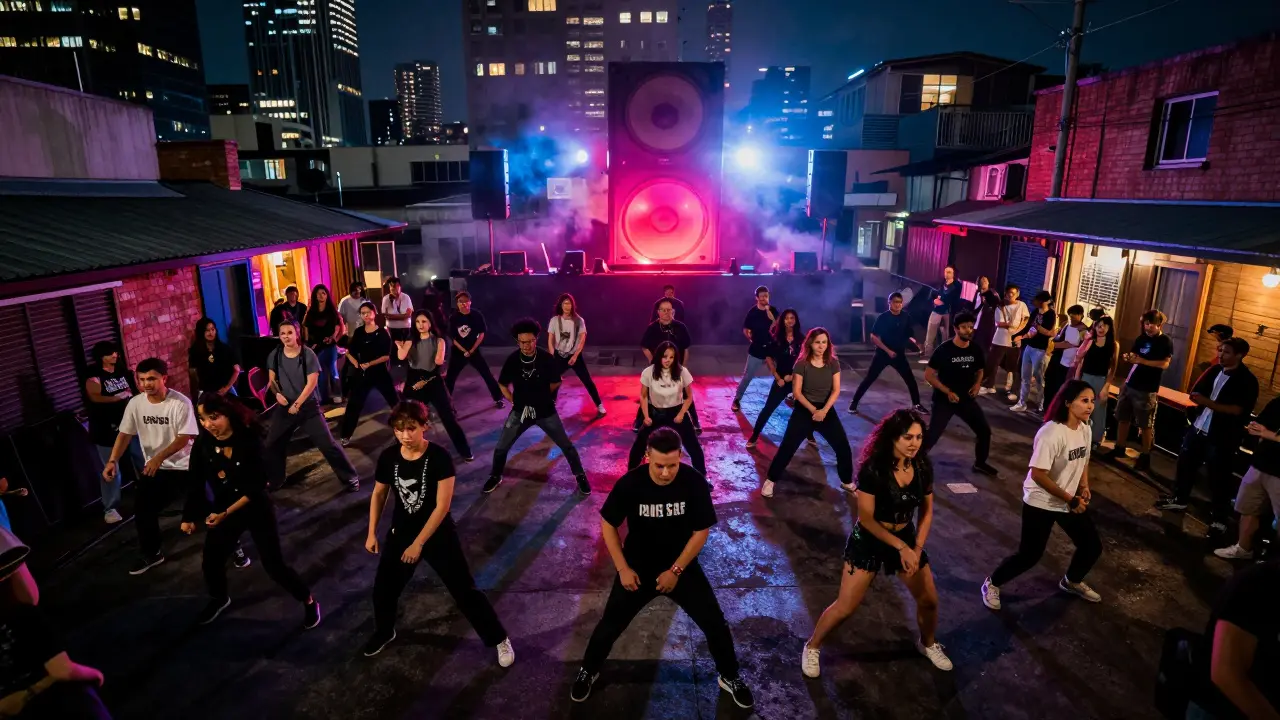
You don’t need to be a professional dancer to do dubstep dance. It’s mostly teens and young adults-ages 14 to 25-who are leading the charge. But you’ll also find older dancers who got into it through festivals or online videos. I’ve seen a 52-year-old mechanic in Footscray do a flawless bass drop freeze after a night out with his son.
There are crews now, too. In London, there’s ‘Wobble Syndicate’. In LA, ‘Bassline Kings’. In Melbourne, ‘Subsonic Motion’. These aren’t formal dance troupes. They’re loose collectives that meet weekly in parks or community centers to practice, film, and challenge each other. No judges. No trophies. Just respect for who hits the beat hardest.
Why It Matters
Dubstep dance is more than just movement. It’s a response to a world that feels too fast, too loud, too digital. The moves are mechanical, but they’re human. They’re messy. They’re imperfect. And that’s the point.
When you’re dancing dubstep, you’re not trying to look cool. You’re trying to feel something. The bass isn’t just sound-it’s a physical force. And your body becomes its instrument. That’s why people keep doing it. Even when the music changes, the need to move like that doesn’t go away.
It’s not about being the best dancer. It’s about being the loudest in your own skin.
How to Start
If you want to try dubstep dance, here’s how:
- Find a track with a clear, heavy wobble bass. Try ‘Scary Monsters and Nice Sprites’ by Skrillex or ‘Bassline’ by Flux Pavilion.
- Turn it up. Feel the vibrations in your chest, your legs, your teeth.
- Start with the basics: lock your knees, then let your hips wiggle side to side on the bass hit. Don’t think-just react.
- Watch videos. Not to copy, but to get the rhythm. Look for clips labeled ‘dubstep dance tutorial’ or ‘bass dance challenge’.
- Practice in front of a mirror. Or better yet, in a room with no one else. Let yourself be weird.
There’s no exam. No certification. No right way. Just you, the beat, and your body saying yes.
Is dubstep dance the same as krump or popping?
No. Krump is aggressive and emotional, with chest pops and wild arm swings. Popping is about muscle contractions and isolations, often smooth and controlled. Dubstep dance is more about reacting to bass hits with sharp, robotic stops and starts. It borrows from both, but it’s built around the unique rhythm of dubstep music-not traditional dance styles.
Do you need special shoes for dubstep dance?
Not really. Most dancers wear sneakers with good grip-like Vans, Converse, or Nike Air Force 1s. The key is to be able to pivot quickly and stop on a dime. Avoid shoes with too much cushioning; they make it harder to feel the beat through your feet. Some dancers even go barefoot at outdoor raves to feel the ground shake.
Can you do dubstep dance to other genres?
Yes, but it works best with music that has a strong, wobbling bassline. Trap, future bass, and some forms of drum and bass all have the right rhythm. You won’t get the same effect with house, techno, or pop. The bass has to be distorted, low, and unpredictable. That’s what triggers the dance.
Is dubstep dance dangerous?
It can be if you’re not careful. The sharp stops and sudden movements can strain knees or ankles, especially if you’re dancing on hard floors. Start slow. Warm up. Don’t try to copy complex moves from videos right away. Most injuries happen when people push too hard too fast. Listen to your body-it’s your first beat detector.
Where can I find dubstep dance events?
Look for bass music festivals like Bassnectar, Lost Lands, or Smokey Mountain Music Festival. Underground raves and warehouse parties often feature dubstep dance crews. In cities like Melbourne, Berlin, or Toronto, search Facebook or Instagram for local ‘bass dance’ groups. Many host weekly meetups. You don’t need to be good-you just need to show up.