
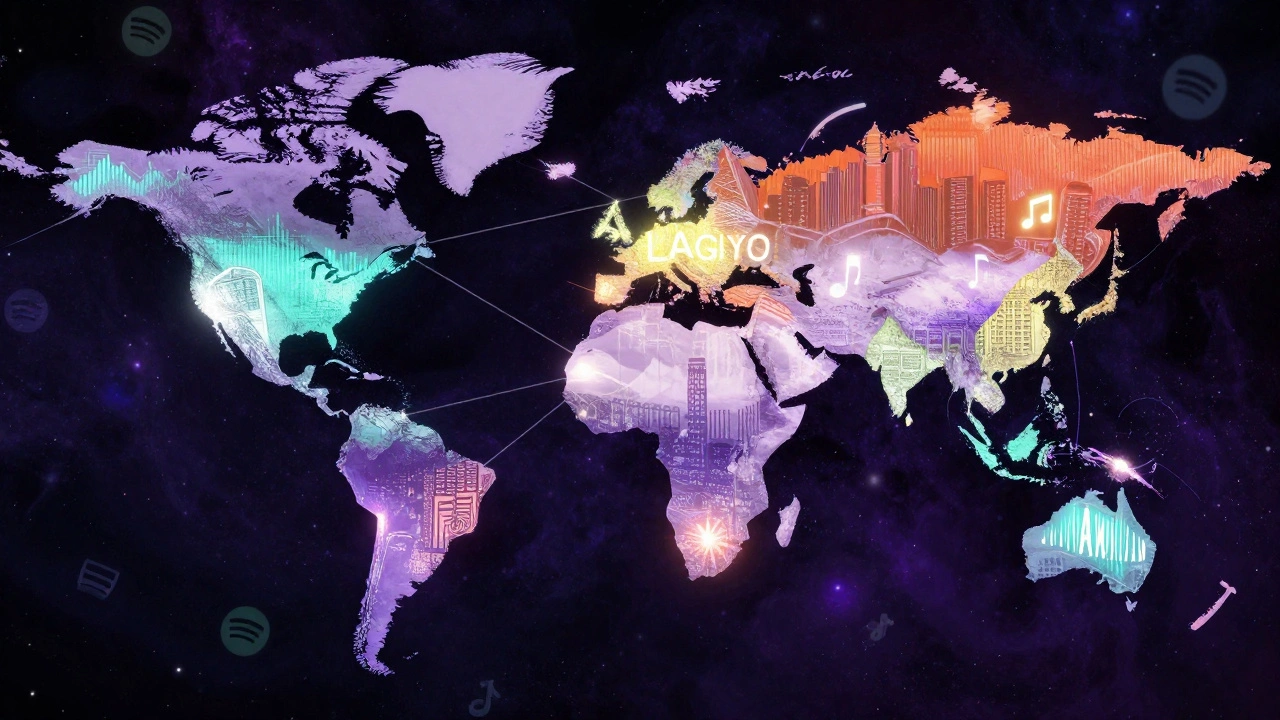
When you stream a playlist on Spotify or hear a track blow up on TikTok, you’re not just listening to music-you’re experiencing the result of decades of subgenre innovation. Subgenres aren’t just labels for niche fans. They’re the engine driving how music spreads, evolves, and connects across borders. From the raw distortion of hyperpop to the rhythmic complexity of afrobeats, subgenres are the real storytellers of today’s global music scene.
What Exactly Is a Subgenre?
A subgenre is a smaller, more specific branch that grows out of a larger music genre. Think of it like a tree: rock is the trunk, punk rock, grunge, and indie rock are the branches. Subgenres form when artists start mixing elements-adding new rhythms, instruments, production techniques, or cultural influences-and a new sound emerges that feels different enough to warrant its own name.
It’s not just about sound, though. Subgenres often carry cultural identity. Trap music didn’t just come from hip-hop-it came from the streets of Atlanta, shaped by local dialects, street life, and the rise of 808-heavy beats. K-pop isn’t just pop-it’s a highly produced, visually driven system that blends dance, fashion, and fan culture in ways Western pop rarely does.
Subgenres thrive when they’re specific. They don’t need to be popular to matter. In fact, some of the most influential subgenres started in basements, underground clubs, or rural towns with no major label backing.
The Rise of Digital Platforms and Subgenre Explosion
Before the internet, music scenes were local. A new sound had to spread through radio, tapes, or live shows. That took years. Now, a teenager in Lagos can produce a track using a free DAW, upload it to SoundCloud, and have it picked up by a curator in Berlin by morning.
Platforms like YouTube, TikTok, and Bandcamp have turned subgenres into global phenomena overnight. Take hyperpop, for example. It didn’t exist as a named style until 2018. By 2023, it had artists from Japan, Brazil, and Poland all contributing to its signature glitchy, high-pitched, distorted sound. It wasn’t pushed by labels-it was built by fans sharing memes, remixes, and collabs across Discord servers.
TikTok’s algorithm doesn’t care about genre labels. It cares about hooks, energy, and novelty. That’s why subgenres like bedroom pop, phonk, and chillhop exploded. They’re made for short-form video-simple, catchy, emotionally clear. A song with a lo-fi beat and a whispered chorus can hit 100 million streams because it fits a mood, not a radio format.
What’s surprising is how fast these subgenres die and are reborn. A sound can go from viral to forgotten in six months. But that’s okay. The real impact isn’t longevity-it’s how each wave pushes boundaries for the next.

Subgenres as Cultural Bridges
Music has always crossed borders, but subgenres are doing it faster and deeper than ever. Look at afrobeats. Once considered a regional sound from West Africa, it’s now topping charts in the UK, the US, and even South Korea. Artists like Burna Boy and Wizkid didn’t wait for Western approval-they built their own networks, collaborated with global stars like Drake and Beyoncé, and made their sound impossible to ignore.
Similarly, reggaetón went from underground clubs in Puerto Rico to global domination thanks to artists like Bad Bunny and J Balvin. They didn’t just sing in Spanish-they mixed dembow rhythms with trap, punk, and even rock. Their success forced major labels to stop treating Latin music as a niche and start seeing it as a mainstream force.
Even smaller scenes are making waves. Shibuya-kei, a Japanese genre blending pop, jazz, and 60s psychedelia, influenced indie artists in the US and Europe in the 2000s. Today, a new wave of Indonesian lo-fi artists are gaining traction in Europe, blending traditional gamelan tones with soft beats. These aren’t accidents. They’re the result of young musicians using digital tools to connect with audiences who share their aesthetic, even if they’ve never met.
How Subgenres Change How We Listen
Before subgenres became common, people listened to music by genre: rock, jazz, classical. Now, we listen by mood, moment, or micro-taste. You don’t just want ‘pop’-you want ‘cottagecore pop’ or ‘dark pop’ or ‘synthwave pop’.
Streaming services have adapted. Playlists like ‘Vaporwave Essentials’ or ‘Future Bass Bangers’ or ‘Afrobeats Workout’ don’t just group songs-they create emotional worlds. Algorithms learn your taste not by what you like, but by which subgenre you return to again and again.
This shift means artists no longer need to appeal to everyone. A band can have 50,000 fans worldwide and still make a living-because those fans are deeply invested. They don’t just buy albums; they buy merch, join fan clubs, make fan art, and translate lyrics. Subgenres turn listeners into communities.
It also means artists can experiment without fear. If you make a track that sounds like ‘noise pop meets doom metal’ and it finds its audience, you don’t need to change it to fit a mainstream mold. The audience will find you.
Why Subgenres Matter More Than Ever
Globalization didn’t make music more uniform-it made it more diverse. Big labels used to push the same formula worldwide. Now, the most successful acts are the ones that honor their roots while speaking to global ears.
Subgenres are the proof. They show that music doesn’t need to be diluted to be popular. It just needs to be honest. A kid in Manila making pinoy hyperpop with Tagalog lyrics and distorted autotune isn’t trying to sound like Taylor Swift. They’re making something that feels true to their life-and millions of others feel it too.
Look at the data: in 2024, over 60% of the top 100 songs on Spotify globally came from subgenres that didn’t exist 10 years ago. That’s not a trend. That’s a revolution.
Subgenres are how music stays alive. They’re the rebellions, the experiments, the quiet innovations that happen outside the spotlight. They’re the reason your playlist doesn’t sound like your parents’.
The Future of Subgenres
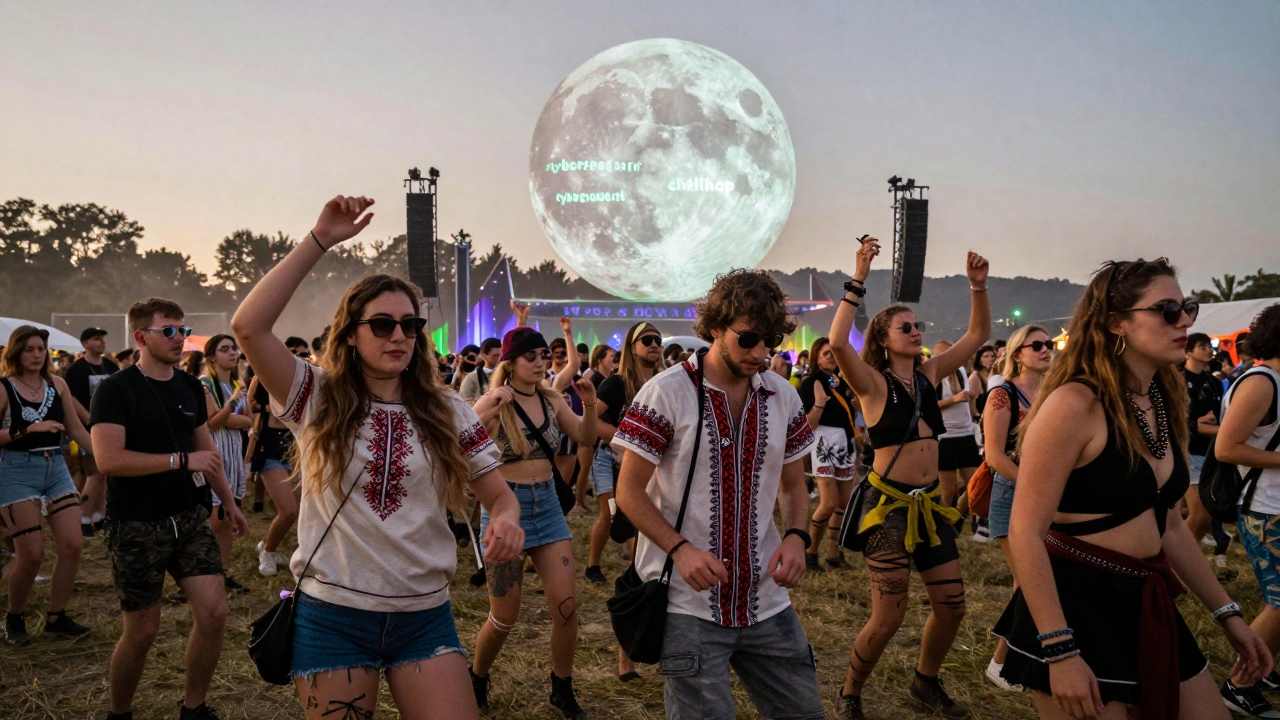
What’s next? We’re already seeing AI-generated subgenres-tracks made by algorithms trained on hundreds of obscure sounds, then labeled by users as ‘cyberpunk folk’ or ‘neon blues’. These won’t replace human creativity, but they’ll expand the possibilities.
Climate change, political movements, and digital identity are also shaping new sounds. In Ukraine, artists are blending folk instruments with electronic beats to create music that carries both trauma and resistance. In Brazil, favela youth are turning protest chants into rhythmic patterns for a new subgenre called trap de resistência.
The next big subgenre might come from a teenager in Jakarta, a refugee camp in Jordan, or a rural village in Peru. It won’t be announced by a label. It’ll be shared on a phone screen, passed along in a group chat, and suddenly-it’s everywhere.
Music doesn’t evolve through committees. It evolves through individuals making something only they could make-and finding others who need to hear it.
What’s the difference between a music genre and a subgenre?
A genre is a broad category like rock, hip-hop, or jazz. A subgenre is a more specific style that develops within it, like grunge (under rock), trap (under hip-hop), or bebop (under jazz). Subgenres have distinct sounds, cultural roots, and often fan communities that set them apart from the parent genre.
Can a subgenre become a main genre?
Yes, absolutely. Afrobeats started as a subgenre of African pop and hip-hop but is now treated as a standalone genre by streaming platforms and awards shows. Similarly, punk rock began as a subgenre of rock but became so influential that it now has its own category in music history books. When a subgenre gains enough global recognition and cultural weight, it outgrows its parent label.
Why do subgenres die out so quickly?
Many subgenres fade because they’re tied to a specific moment-like a viral TikTok sound or a short-lived production trend. But that doesn’t mean they disappear. Their influence lives on. For example, the chiptune subgenre from the 80s and 90s is rare now, but its 8-bit sounds still show up in indie games and modern electronic music. Subgenres evolve, not just vanish.
Do subgenres help or hurt music diversity?
They help. Subgenres give space for voices that mainstream genres often ignore. A rapper from rural Nigeria can make a track using local percussion and call it ‘afro-trap’-and find listeners in Norway. Without subgenres, music would be homogenized. They’re the reason we have over 1,000 distinct music styles today instead of a handful of global hits.
How can I discover new subgenres?
Start with curated playlists on Spotify or YouTube. Follow niche blogs like Resident Advisor or Bandcamp Daily. Join Reddit communities like r/WeAreTheMusicMakers or r/Indieheads. Listen to artists you like, then check who they’ve collaborated with or who sampled them. Subgenres are often discovered through connections, not searches.
Subgenres aren’t just musical labels-they’re cultural fingerprints. They tell us who’s creating, where they’re from, and what they’re feeling. In a world that often feels divided, music subgenres are one of the few places where borders dissolve, and sound becomes the universal language.