
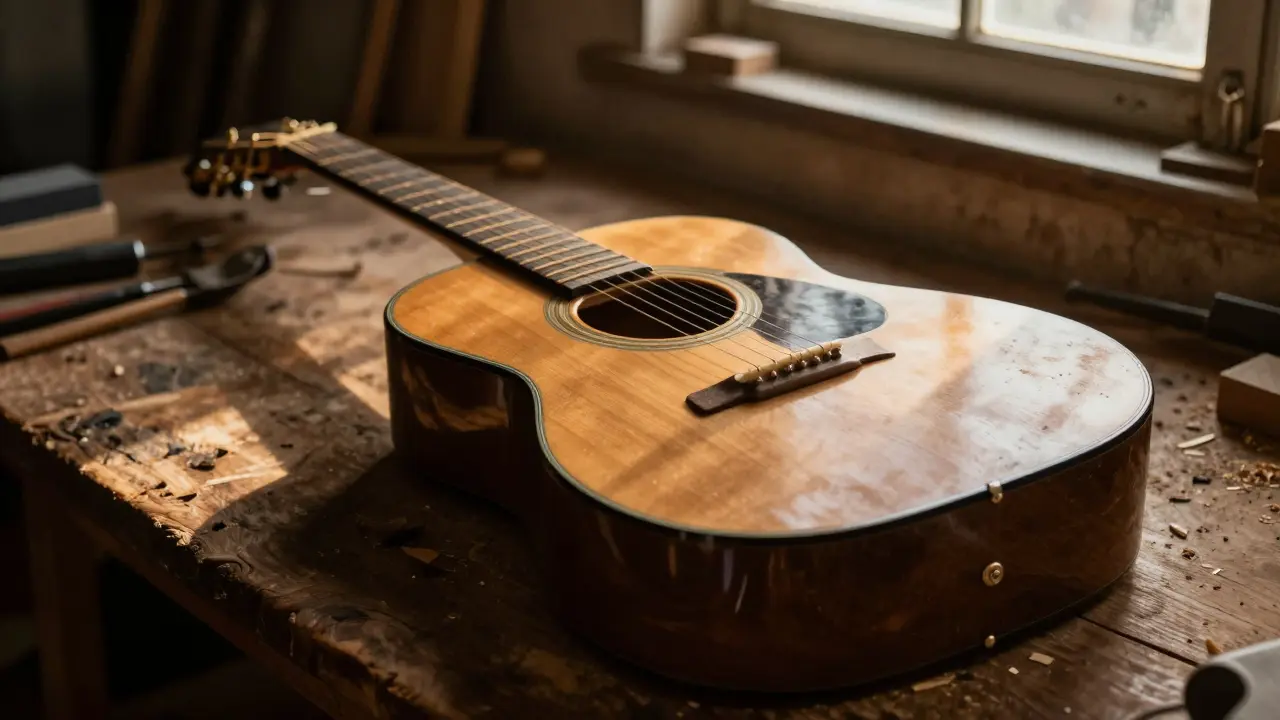
There is a sound that cuts through time. It doesn't need an amplifier, a power outlet, or a digital plugin. It just needs wood, wire, and human hands. That sound belongs to the acoustic guitar, a stringed musical instrument that produces sound acoustically without electrical amplification. While electric guitars stole the spotlight in rock 'n' roll stadiums during the mid-20th century, the acoustic guitar has quietly remained the backbone of global music culture. From the dusty streets of Mississippi to the concert halls of Vienna, this instrument has shaped how we write songs, tell stories, and connect with one another.
You might wonder why a wooden box with strings still matters in an era of AI-generated beats and synthesized sounds. The answer lies in its history, its adaptability, and the raw emotional honesty it forces from the player. This isn't just about nostalgia; it's about understanding why the acoustic guitar remains the most popular instrument for songwriters and beginners alike today.
The Ancient Roots: Before It Was Called a Guitar
To understand the legacy of the acoustic guitar, you have to look back further than you think. The modern six-string design didn't appear out of nowhere. Its lineage traces back thousands of years to ancient civilizations. In Egypt, Greece, and Persia, people played lute-like instruments. These early ancestors had curved bodies and gut strings, producing a soft, plucked tone that was perfect for accompanying poetry and dance.
The real game-changer arrived in Spain during the Renaissance. Spanish luthiers began experimenting with shape and size. They moved away from the bulbous body of the lute toward a more streamlined figure-eight shape. This period saw the birth of the classical guitar, a nylon-string guitar traditionally used for playing classical music. Unlike its folk cousins, the classical guitar emphasized precision, fingerstyle technique, and complex harmony. Composers like Fernando Sor and Francisco Tárrega wrote intricate pieces that treated the guitar not just as a rhythm instrument, but as a solo voice capable of singing melodies and basslines simultaneously.
This distinction is crucial. Even today, when people talk about the "guitar," they are often referring to two very different beasts: the nylon-string classical guitar, rooted in European conservatories, and the steel-string acoustic guitar, born from American folk traditions. Both share the same basic anatomy-headstock, neck, body, bridge-but their voices are worlds apart.
The Industrial Revolution and the Rise of Steel Strings
If the classical guitar was the aristocrat of the string family, the steel-string acoustic was the working man’s tool. And its transformation happened thanks to industrial innovation. For centuries, guitar strings were made from animal gut. Gut strings were fragile, sensitive to humidity, and produced a relatively quiet volume. If you wanted to be heard over a banjo or a fiddle in a crowded saloon, gut strings weren't cutting it.
In the late 19th century, everything changed. Manufacturers began drawing steel wire into thinner, stronger gauges. Suddenly, players could tune up higher, strum harder, and project louder without breaking strings. But there was a problem: standard guitar tops couldn't handle the tension of steel strings. They would buckle or warp.
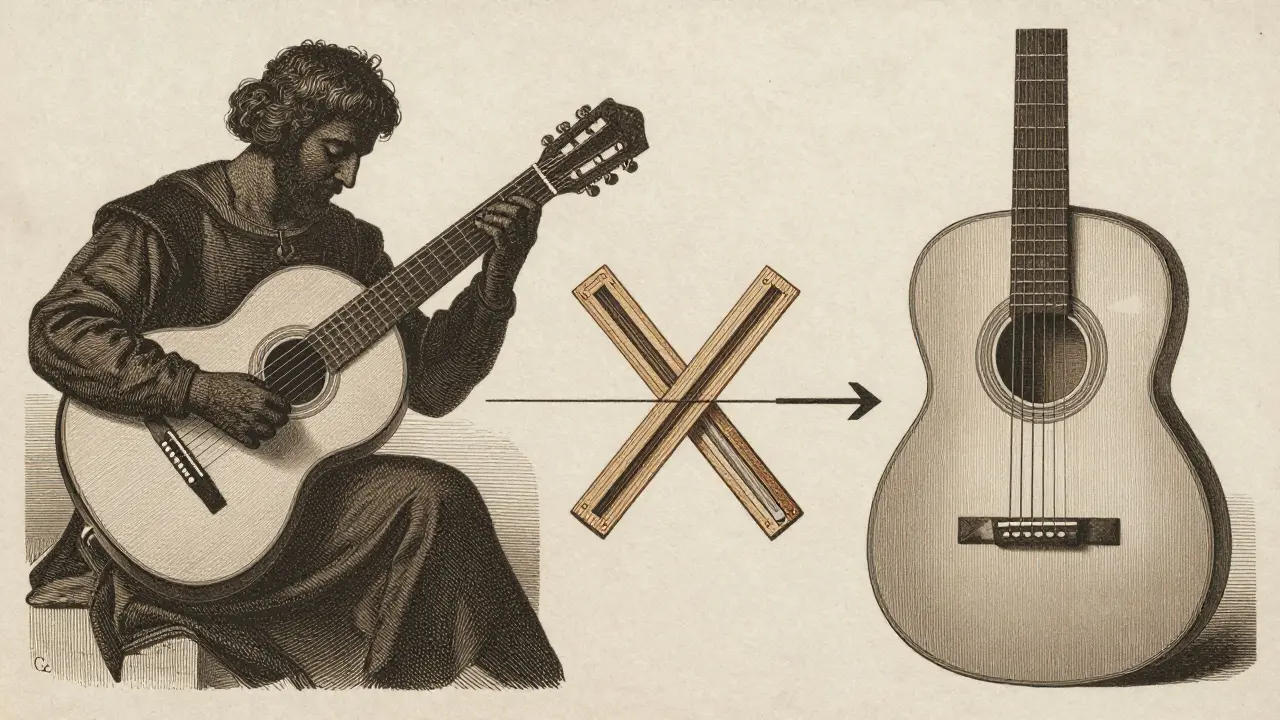
This engineering challenge led to one of the most important innovations in music history: the X-bracing pattern. C.F. Martin & Company, an American manufacturer of acoustic guitars founded by Christian Frederick Martin in 1833, pioneered this internal bracing system. Instead of using heavy, straight braces that stifled vibration, Martin used lightweight spruce strips arranged in an X-shape. This design distributed the tension of steel strings evenly across the top plate, allowing the wood to vibrate freely while staying structurally sound.
The result? A brighter, louder, and more sustained tone. This was the birth of the modern flat-top acoustic guitar. It became the go-to instrument for blues musicians in the Delta, country pickers in the Appalachians, and folk singers in urban centers. The steel-string acoustic wasn't just an instrument; it was a portable amplifier before electricity existed.
| Feature | Classical Guitar | Steel-String Acoustic |
|---|---|---|
| Strings | Nylon (softer touch) | Steel (brighter, louder) |
| Neck Width | Wide (52mm nut) | Narrower (43-46mm nut) |
| Bracing | Fan bracing (warmer tone) | X-bracing (louder projection) |
| Primary Genre | Classical, Flamenco | Folk, Country, Blues, Rock |
| Playing Style | Fingerstyle | Picking or Fingerstyle |
The Golden Age: Recording Technology and Iconic Models
As the 20th century rolled on, the acoustic guitar found itself at the center of cultural movements. The Great Depression gave rise to the folk revival, where artists like Woody Guthrie carried guitars labeled "This Machine Kills Fascists." The guitar became a symbol of protest, resilience, and storytelling. But it was also the commercialization of music that cemented the acoustic's legacy.
Recording technology advanced rapidly. Microphones could now capture the subtle nuances of an acoustic performance. Record labels realized that the intimate sound of the acoustic guitar sold records. This demand pushed manufacturers to refine their craft. Two names dominate this era: Martin and Gibson.
Gibson introduced the Jumbo body shape, which offered even more volume and bass response than Martin's dreadnoughts. The Gibson J-45 and J-200 became staples in country and bluegrass music. Meanwhile, Martin refined the Dreadnought model, originally designed for shipboard entertainment, into the standard for singer-songwriters. The D-28 and D-18 models remain benchmarks today. When you hear Johnny Cash’s deep baritone or Bob Dylan’s raspy vocals accompanied by a driving rhythm, you’re hearing the specific tonal character of these vintage designs.
It’s worth noting that the "legacy" isn't just about famous players. It’s about the democratization of music. Because the acoustic guitar is self-contained, anyone with $100 can buy one and start making music. You don’t need a band, a studio, or technical knowledge. This accessibility fueled countless genres. Think about the British Invasion of the 1960s. Before The Beatles plugged into amps, they were busking in Hamburg with acoustic guitars. The Rolling Stones covered Chuck Berry, who played electric, but his roots were in acoustic blues. The acoustic guitar is the seed from which almost all modern Western popular music grows.
Wood Matters: The Science of Tone
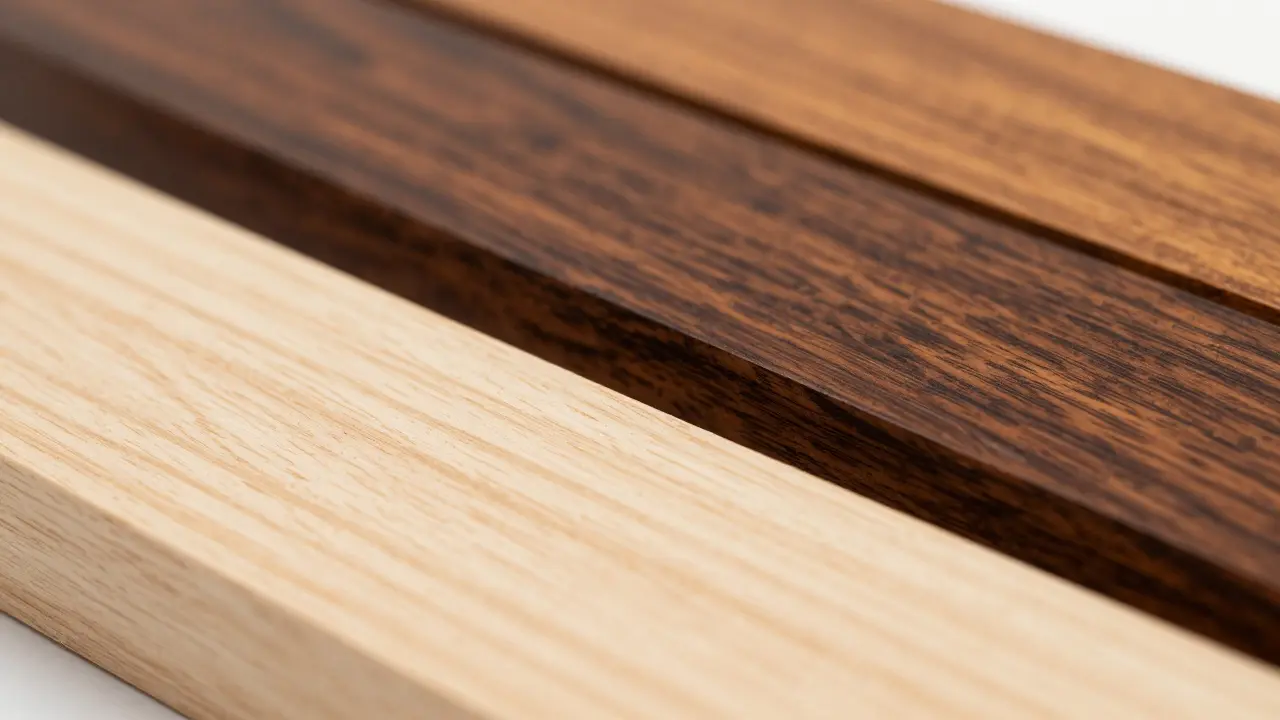
Why do some acoustic guitars cost $50 and others $50,000? It comes down to materials and craftsmanship. The choice of wood isn't just aesthetic; it dictates the instrument's voice. Luthiers select woods based on their density, stiffness, and resonance properties.
- Spruce: Typically used for the top (soundboard). Sitka spruce is versatile and strong, offering a balanced tone. Adirondack spruce, rarer and stiffer, provides exceptional clarity and punch, favored by flatpickers.
- Rosewood: Commonly used for the back and sides. Indian rosewood offers warm lows and sparkling highs. Brazilian rosewood, now heavily restricted due to conservation laws, is prized for its complex overtones and sustain.
- Mahogany: Known for a focused, mid-range heavy tone. It cuts through a mix well, making it ideal for recording sessions where multiple instruments compete for space.
- Cedar: Often used for classical tops. It’s softer than spruce, requiring less break-in time, and produces a warmer, more immediate response.
The way these woods are joined also matters. Hand-scalloped braces, where the luthier carves away excess wood from the braces, allow the top to vibrate more freely. Factory-made guitars often use uniform braces for consistency, but hand-built instruments offer unique tonal personalities. This is why two Martins from the same year can sound slightly different. Each piece of wood has its own grain pattern and density, influencing how it resonates.
The Digital Age: Does the Acoustic Still Matter?
In 2026, you can generate a flawless guitar track with a single click using AI software. So, why do millions of people still learn to play the acoustic guitar? The answer is connection. Playing an acoustic guitar requires physical effort. You have to press hard enough to fret the notes, strum with enough force to drive the top, and listen carefully to intonation. There is no hiding behind effects pedals or auto-tune.
This vulnerability is part of its charm. When Ed Sheeran performs live with a loop pedal, he builds layers of sound starting with a single acoustic chord. When Taylor Swift writes a song, she often starts with a cheap acoustic guitar in her bedroom. The instrument serves as a confessional. It strips away production tricks and leaves only the melody and lyrics.
Moreover, the acoustic guitar has evolved. Modern manufacturers like Taylor Guitars introduced V-Class bracing and patented neck joints that improve tuning stability and intonation. They’ve made the instrument easier to play for beginners while maintaining professional quality. Brands like Yamaha produce affordable student models that are reliable and well-built, ensuring the next generation can access the instrument easily.
The legacy of the acoustic guitar isn't static. It’s a living tradition. It has survived the shift from oral tradition to sheet music, from vinyl to streaming, from analog to digital. It endures because it is simple, portable, and deeply expressive. Whether you’re strumming campfire chords or performing intricate fingerstyle arrangements, you’re participating in a conversation that started thousands of years ago.
What is the main difference between a classical guitar and a steel-string acoustic?
The primary differences lie in the strings and the neck width. Classical guitars use nylon strings, which are softer on the fingers and produce a warmer, mellower tone. They also have wider necks to accommodate fingerstyle playing. Steel-string acoustics use metal strings, which are brighter and louder, and typically have narrower necks suitable for both picking and fingerstyle techniques.
Who invented the modern acoustic guitar design?
While the guitar evolved over centuries, C.F. Martin is credited with developing the modern flat-top steel-string acoustic guitar in the 19th century. His introduction of X-bracing allowed the instrument to withstand the tension of steel strings while producing a loud, clear tone.
Why are vintage Martin and Gibson guitars so expensive?
Vintage Martins and Gibsons are valuable due to their historical significance, superior craftsmanship, and the use of rare woods like Brazilian rosewood and Adirondack spruce. Over time, the wood ages and dries, improving the tonal quality. Additionally, their association with iconic musicians adds to their collectibility.
Is it better to learn on a classical or steel-string guitar?
For most beginners interested in pop, rock, folk, or country, a steel-string acoustic is recommended because it aligns with those genres. However, if you prefer classical music or find steel strings too painful on your fingertips initially, a classical guitar with nylon strings is a gentler starting point.
How does wood type affect the sound of an acoustic guitar?
Wood density and stiffness determine how the guitar vibrates. Spruce tops provide brightness and projection, while rosewood backs and sides add warmth and complexity. Mahogany offers a focused mid-range, and cedar gives a quick, warm response. The combination of these woods creates the instrument's unique voice.