
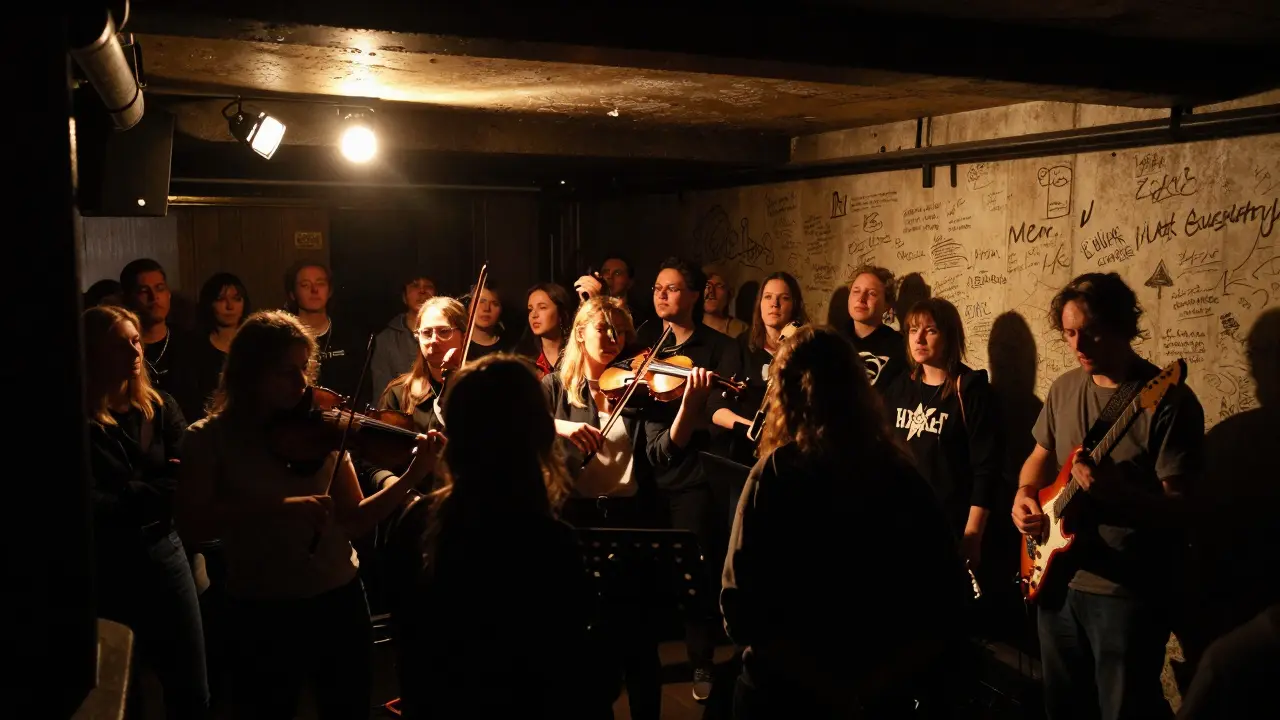
Rock music isn’t dead-it’s just changing shape. While the big names from the ’90s and 2000s still pack arenas, a new wave of artists is carving out their own space with raw energy, genre-blending sounds, and a defiantly independent spirit. These aren’t nostalgia acts or carbon copies of the past. They’re the ones making headlines on streaming charts, selling out underground venues, and turning TikTok clips into full-blown tours. If you thought rock was fading, you haven’t been listening closely.
What Defines Modern Rock in 2026?
Modern rock doesn’t follow the old rules. You won’t find many bands sticking to just three chords and a power chord chorus. Instead, you get bands that mix garage fuzz with synthwave hooks, or punk urgency with folk storytelling. Some use drum machines. Others record live in abandoned warehouses. The common thread? Authenticity. Listeners today can smell a fake a mile away. The new rock stars aren’t polished by major labels-they’re built by fans, one viral moment at a time.
Take Black Country, New Road an experimental rock band from Brighton, England, known for blending post-punk, jazz, and chamber music into emotionally intense compositions. Their 2024 album Forever How Long didn’t chart on Billboard’s rock list-it didn’t need to. It dominated Bandcamp, got praised by NPR, and sold out vinyl pressings in under 48 hours. No radio play. No flashy music videos. Just a 10-minute song about grief, layered with violins and screaming guitars, and it became a cult anthem.
The Standouts: Who’s Leading the Charge?
Here are the five acts that are quietly redefining what rock means today:
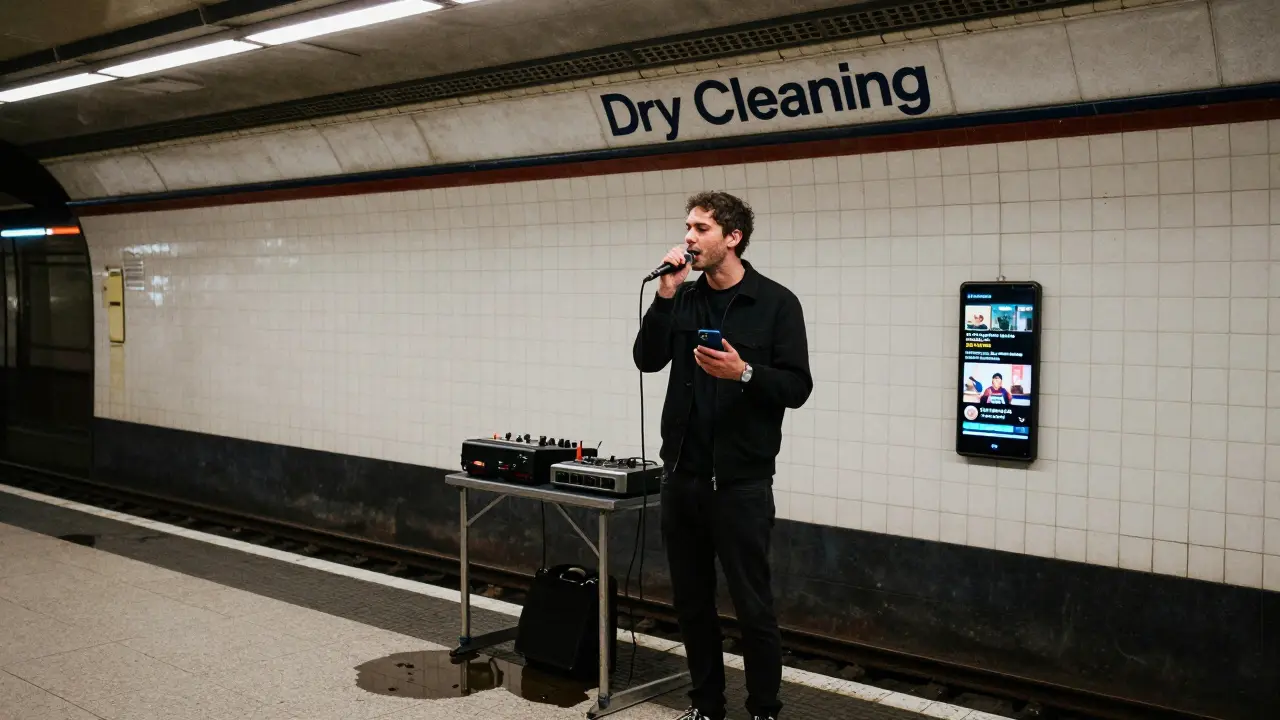
- Dry Cleaning a London-based post-punk band known for spoken-word vocals over minimalist instrumentation, drawing inspiration from poetry and everyday life-they turned mundane observations into anthems. Their 2025 single "I Don’t Want to Be a Ghost" became a slow-burn hit after a teacher posted a classroom cover that got 12 million views.
- Fontaines D.C. an Irish post-punk band whose lyrics blend poetic social commentary with driving rhythms, often compared to The Clash and Joy Division-they’ve gone from playing Dublin pubs to headlining Glastonbury, all without changing their sound. Their 2026 album Romance features songs written on a bus ride across Ireland, recorded live with no overdubs.
- The Linda Lindas a teenage all-female punk band from Los Angeles, known for high-energy performances and lyrics addressing racism, gender, and youth activism-they blew up after a 2021 performance at the LA Public Library went viral. Now, they’re touring with Pearl Jam and writing songs for Netflix documentaries.
- Wet Leg a British indie rock duo known for dry humor, catchy hooks, and a blend of post-punk and new wave influences-they didn’t even have a full album out before they won a Grammy. Their song "Chaise Longue" is still the most-streamed rock track on Spotify in 2026.
- Snail Mail an American indie rock artist known for emotionally raw guitar-driven songs and intimate songwriting-she started recording in her bedroom at 16. Her 2025 album Unwound was produced by a former engineer from Nirvana’s In Utero, and it’s been called "the most honest rock record of the decade."
Why This Movement Matters
These artists aren’t just making music-they’re rebuilding a culture. Rock used to be about rebellion. Now, it’s about connection. The new wave doesn’t need to shout down authority. They just need to be heard. And they’re using tools the old guard never had: Bandcamp, YouTube deep dives, Discord fan groups, and TikTok challenges that turn a 17-second guitar riff into a global movement.
Look at how Black Midi a British experimental rock band known for complex rhythms, chaotic structures, and unpredictable live performances built their fanbase. They didn’t release a single until they’d played 120 shows in basements, garages, and college cafeterias. Their fans didn’t just buy albums-they started their own fanzines, translated lyrics into 12 languages, and organized underground listening parties. That’s not marketing. That’s community.
How You Can Discover the Next Big Thing
You don’t need a record label to find the next rock star. Start here:
- Follow Bandcamp Daily-they highlight one new rock act every Tuesday. No ads. No algorithm. Just real music.
- Check out Substack newsletters like "The Noise" and "Rock & Roll Reckoning." Writers there track underground tours and interview artists before they’re on the radar.
- Listen to college radio stations. Not the ones you hear on your car radio-find the ones run by students. KEXP in Seattle, WNYU in New York, and 3RRR in Melbourne have been breaking new rock for decades.
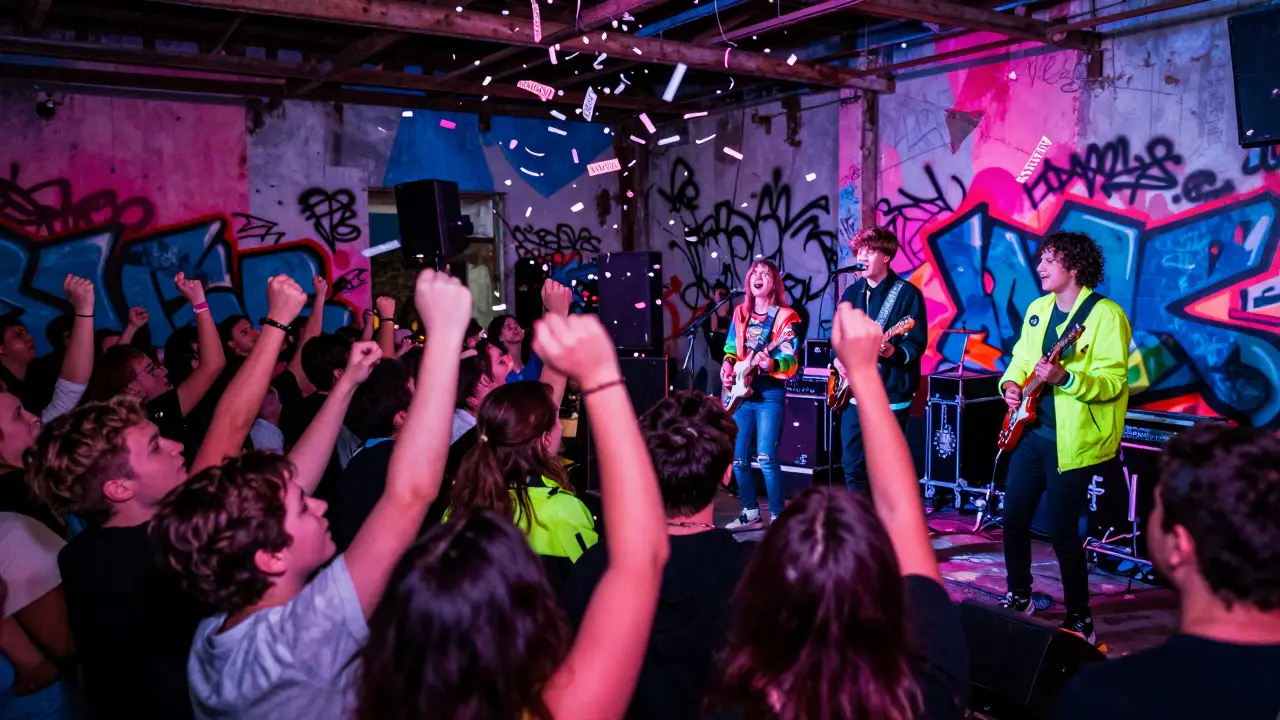
- Go to local shows. The best new bands aren’t playing arenas yet. They’re in basements, art galleries, and record stores. Show up early. Talk to the people behind the merch table. They’ll tell you who’s next.
The Sound of Tomorrow
Modern rock doesn’t sound like Led Zeppelin. It doesn’t sound like Nirvana. It doesn’t even sound like Arctic Monkeys. But it carries the same spirit: unfiltered, urgent, and alive. These artists don’t care about fitting into a genre. They care about saying something real. And that’s why rock music, in 2026, feels more vital than it has in years.
It’s not about how loud you play. It’s about how honestly you speak. And right now, the loudest voices in rock are the quietest ones.
Are there any modern rock bands signed to major labels?
Yes, but it’s rare. Most of the bands leading the new wave-like Wet Leg, Fontaines D.C., and Snail Mail-started independently and only signed with major labels after building their own audiences. Labels now often act as distributors rather than creators. The real power lies with the artists and their fans, not the record companies.
Is modern rock just indie rock with a new name?
No. Indie rock used to be defined by its DIY ethic and limited budget. Modern rock is defined by its freedom. These bands use anything that serves the song: synths, samplers, orchestras, even field recordings. They’re not limited by genre labels. Some call themselves post-punk. Others say they’re noise-pop. A few don’t use a label at all. The music is more important than the category.
Why aren’t these bands on mainstream radio?
Because mainstream radio still plays the same 50 songs on repeat. The new rock scene bypasses radio entirely. They thrive on streaming playlists, TikTok, and word-of-mouth. A song can hit 50 million streams without ever being played on a commercial station. The old gatekeepers lost control when fans started deciding what mattered-not DJs or executives.
Can modern rock bands still make a living?
Absolutely. Many of them tour constantly-sometimes 200 shows a year. They sell vinyl, T-shirts, and limited-edition cassettes directly to fans. Some earn more from Bandcamp than from Spotify. A few have even quit day jobs after their third album. It’s not about fame. It’s about sustainability. And with direct fan support, it’s more possible than ever.
What’s the difference between modern rock and alternative rock?
Alternative rock was a marketing term from the ’90s for bands that weren’t pop or metal. Modern rock isn’t a genre-it’s a movement. It includes elements of punk, jazz, folk, electronic, and even classical. The difference is intent: alternative rock was about fitting into a category. Modern rock is about breaking every category.