
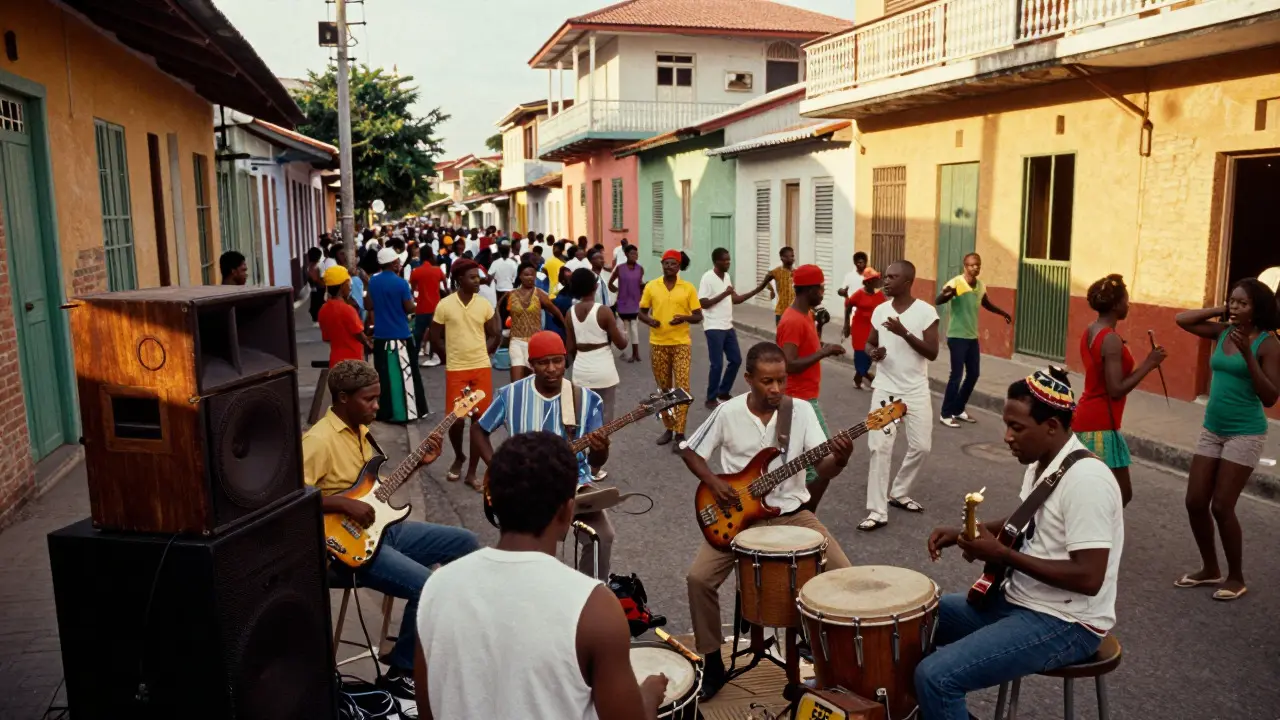
Imagine a sound so infectious that it traveled from a small island in the Caribbean to stadiums in Tokyo, clubs in London, and living rooms in Sydney within just three decades. That is Reggae a genre of music that originated in Jamaica in the late 1960s, characterized by its distinctive off-beat rhythm, bass-heavy instrumentation, and socially conscious lyrics. It didn't just cross borders; it changed how the world heard rhythm and viewed social justice. While many associate reggae solely with one iconic singer, the genre's footprint is far deeper, touching politics, fashion, and even global peace movements.
You might wonder how a local style evolved into a global phenomenon. The answer lies in its simplicity and depth. Reggae stripped away the complex arrangements of earlier genres like Ska and Rocksteady, leaving behind a powerful, hypnotic pulse. This made it easy to dance to, easy to remember, and hard to ignore. Today, it stands as one of the most recognizable musical identities on Earth, proving that cultural export doesn't always require massive corporate backing-it can start with a drum machine and a message.
From Kingston Streets to World Stages
The story begins in the early 1960s in Kingston, Jamaica the capital city where reggae was born and nurtured. Before reggae had a name, there was Ska, a fast-paced blend of jazz and American R&B. By the mid-60s, musicians slowed the tempo down, creating Rocksteady. Then, around 1968, the beat shifted again. The backbeat became more pronounced, and the bass lines grew heavier. This new sound was dubbed "reggae," possibly derived from the phrase "ragga ragga" used to describe the rhythmic pattern.
Early pioneers like Jimmy Cliff a Jamaican singer-songwriter who helped bring reggae to international attention and Toots & the Maytals a legendary Jamaican vocal group known for their harmonies and role in defining the rocksteady and reggae sounds laid the groundwork. They recorded tracks that resonated locally but also caught the ear of listeners in Britain, where large Jamaican communities were already establishing themselves. The migration of people carried the music across the Atlantic, creating a two-way street of influence. British bands started incorporating reggae rhythms into their own work, while Jamaican artists began touring Europe, solidifying the genre's presence outside the Caribbean.
The Role of Rastafarianism and Social Consciousness
You cannot talk about reggae without talking about Rastafarianism a religious movement originating in Jamaica in the 1930s that emphasizes African heritage, natural living, and spiritual liberation. For many reggae artists, music was not just entertainment; it was a sermon. The lyrics often addressed poverty, colonialism, and oppression, offering hope and a sense of identity to marginalized communities. The red, yellow, and green colors of the Rastafarian flag became synonymous with the genre, appearing on album covers, clothing, and concert posters worldwide.
This spiritual and political dimension gave reggae a weight that pure pop music often lacked. When you listen to songs about "Babylon" (a metaphor for oppressive systems) or "Zion" (a symbol of freedom and home), you are hearing a narrative of resistance. This aspect made the music particularly appealing to activists and students in the 1970s, who saw in reggae a soundtrack for their own struggles against inequality. It transformed the listener from a passive consumer into an active participant in a global conversation about human rights.
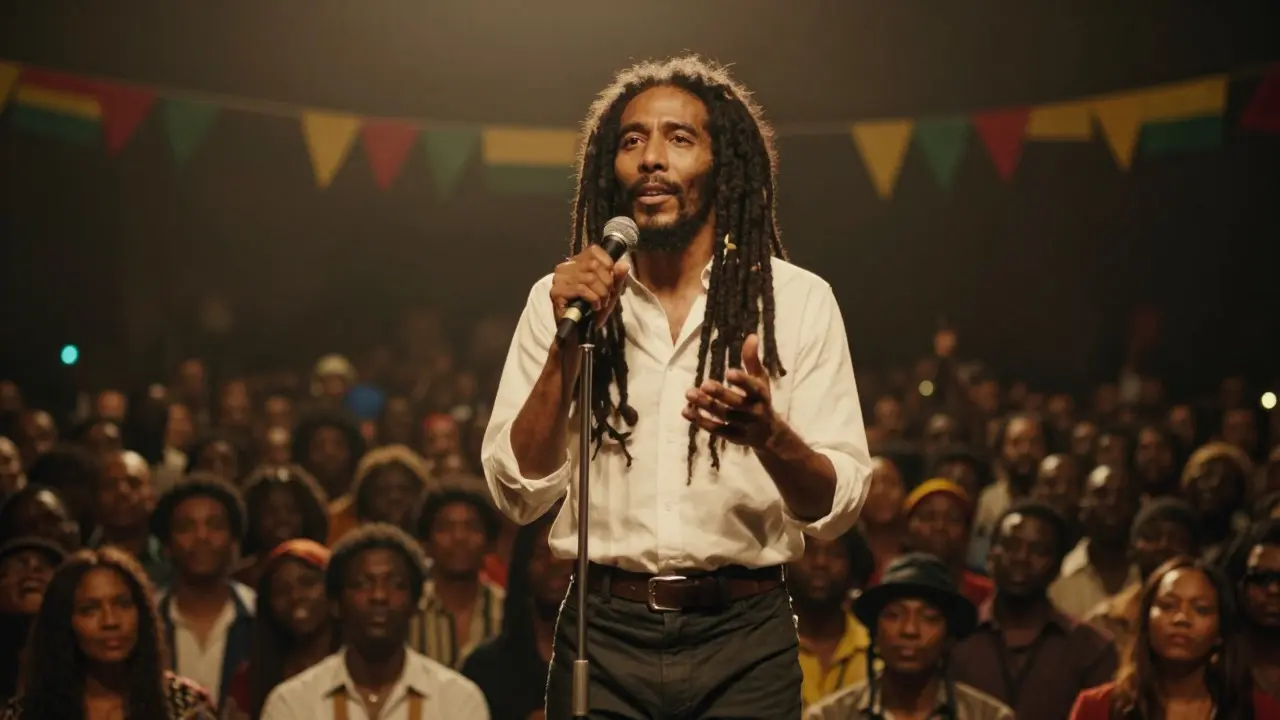
Bob Marley: The Face of a Movement
No discussion of reggae's global impact is complete without mentioning Bob Marley the Jamaican musician who became the most famous reggae artist in history, known for hits like 'No Woman, No Cry' and 'One Love'. While he wasn't the first reggae star, he was the one who broke through to the mainstream Western market. His band, The Wailers Bob Marley's original band, which played a crucial role in popularizing reggae music globally, crafted melodies that were catchy enough for radio but deep enough for critical acclaim. Albums like *Exodus* and *Legend* remain best-sellers decades later.
Marley's charisma and consistent messaging turned him into a symbol of peace and unity. His 1978 performance at the One Love Peace Concert in Kingston brought together warring political figures, demonstrating the power of music to bridge divides. Even after his death in 1981, his image continued to grow, appearing on everything from t-shirts to luxury fashion brands. This commercialization sometimes drew criticism, but it also ensured that reggae remained visible to new generations who might never have encountered the genre otherwise.
Fusion and Evolution: Dub, Dancehall, and Beyond
Reggae didn't stay static. In the late 1960s and early 1970s, producers like King Tubby a Jamaican producer and engineer who pioneered dub music by manipulating studio recordings experimented with mixing consoles to create "dub." This subgenre isolated drums and bass, adding heavy reverb and echo. Dub influenced electronic music, hip-hop, and ambient soundscapes, showing that reggae's technical innovations were as significant as its lyrical content.
In the 1980s, the scene shifted toward Dancehall a genre of music that evolved from reggae in the 1980s, characterized by faster tempos and DJ-driven vocals. Artists like Shabba Ranks a prominent dancehall artist who gained international fame in the late 1980s and Buju Banton a Jamaican dancehall artist known for his unique vocal style and controversial lyrics kept the flame alive, though with a different flavor. Dancehall became the dominant form of popular music in Jamaica, influencing hip-hop beats and club culture worldwide. This evolution proves that reggae is not a museum piece but a living, breathing entity that adapts to new technologies and social trends.

Cultural Footprint: Fashion, Film, and Politics
The impact of reggae extends well beyond audio. The aesthetic associated with the genre-loose clothing, dreadlocks, and earth tones-became a global fashion statement. Brands like Levi's and Nike have released collaborations featuring reggae icons, bringing the culture into mainstream retail. In film, the 1972 movie *The Harder They Come* introduced international audiences to the gritty reality of Kingston life, breaking stereotypes about the Caribbean as just a tropical paradise.
Politically, reggae has been invoked in protests and campaigns from South Africa to Brazil. Nelson Mandela reportedly listened to Bob Marley during his imprisonment, finding comfort and inspiration in the music. This connection highlights how reggae transcends geography, serving as a universal language for those seeking freedom. Even today, when you see a mural of Marley in a European city or hear a reggae sample in a pop song, you are witnessing the ongoing legacy of this genre.
Modern Resonance and Future Directions
As we move further into the 2020s, reggae continues to evolve. Younger artists are blending traditional roots with trap, electronic, and Afrobeat elements. Festivals like Reggae Sunsplash in Jamaica draw thousands of international fans, while digital streaming platforms make classic albums accessible to anyone with a smartphone. The genre's core message of unity and resilience remains relevant in a fragmented world.
For listeners, exploring reggae offers more than just good vibes; it provides a window into a rich history of resistance and creativity. Whether you prefer the smooth harmonies of The Wailers or the energetic beats of modern dancehall, there is something for everyone. The undeniable global impact of reggae is a testament to the power of music to connect people across borders, languages, and time.
What is the main difference between reggae and ska?
Ska is faster and more upbeat, often featuring brass instruments and a walking bass line. Reggae is slower, with a stronger emphasis on the off-beat rhythm and a heavier, more melodic bass line. Reggae also tends to have more lyrical focus on social and spiritual themes.
Did Bob Marley invent reggae music?
No, Bob Marley did not invent reggae. The genre evolved from ska and rocksteady in the late 1960s. However, Marley and The Wailers were instrumental in popularizing it globally, making him the most recognizable face of the genre.
How did reggae influence hip-hop?
Reggae influenced hip-hop through its use of sampling, particularly from dub records. The rhythmic patterns and bass-heavy production of reggae provided a foundation for early hip-hop beats. Additionally, the storytelling and social commentary in reggae lyrics inspired hip-hop artists to address similar themes.
Is reggae still popular in Jamaica today?
Yes, reggae remains a vital part of Jamaican culture. While dancehall is currently more dominant in the charts, roots reggae continues to be respected and performed. New artists are constantly emerging, keeping the tradition alive while innovating with modern sounds.
What are some essential reggae albums for beginners?
Start with Bob Marley's *Legend* for the biggest hits. For a deeper dive, try *Exodus* by Bob Marley & The Wailers. To explore other voices, check out *Africa Unite* by Peter Tosh or *True Love* by Jimmy Cliff. These albums provide a solid foundation for understanding the genre's diversity.