
The Core Essentials: Building Your Foundation
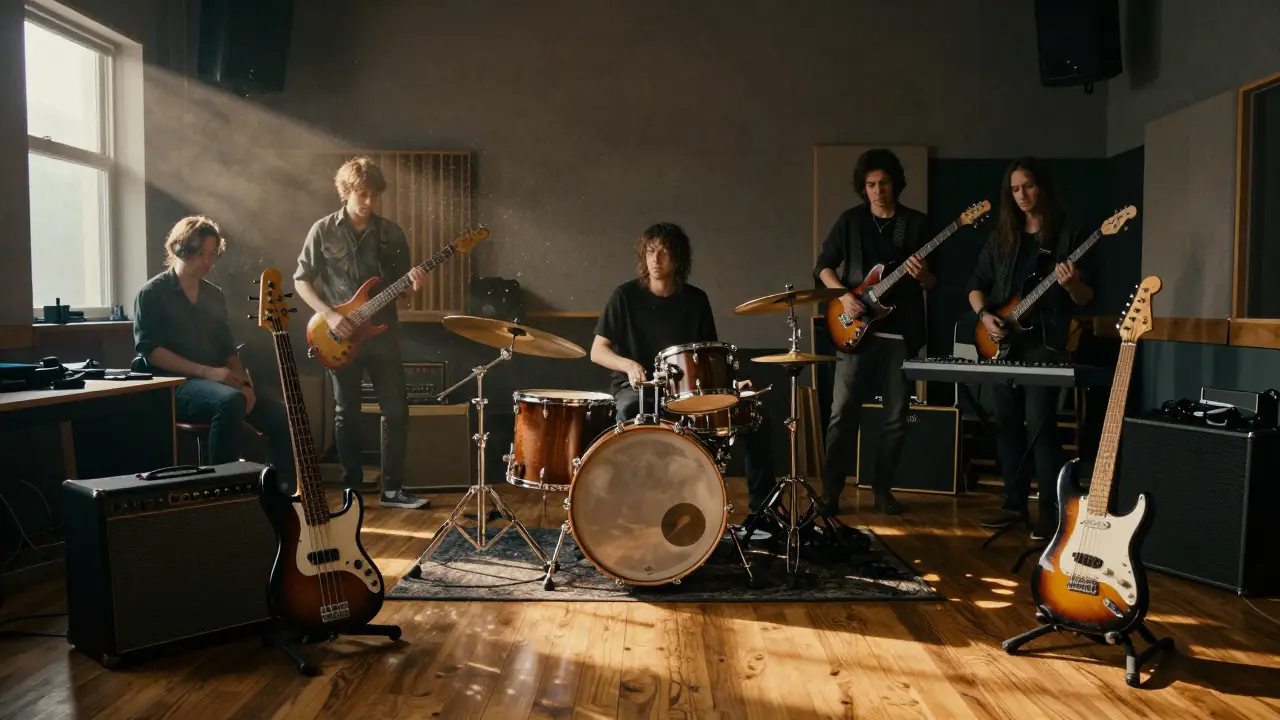
Before you go shopping, you need to decide who carries the heavy lifting. Most bands rely on a rhythmic foundation that keeps everyone in time and in tune.The Drum Kit is the heartbeat. If you're playing high-energy rock, a standard five-piece kit with a punchy kick drum is your best bet. But if you're leaning toward an indie or jazz sound, you might look at a smaller cocktail kit or even a Cajon for a more organic, stripped-back feel. The size of the drums should match the venue; there is nothing worse than a massive double-bass kit in a tiny coffee shop where the vibrations literally shake the walls.
Then comes the Bass Guitar. This is the bridge between the rhythm and the melody. If your sound is deep and funky, a Precision Bass provides that classic, woody thump. For a more modern, aggressive metal tone, an active bass with a brighter output will help you cut through the noise. The key is to make sure the bass doesn't clash with the kick drum-they should feel like one single unit hitting the listener in the chest.
Defining the Melodic Layer
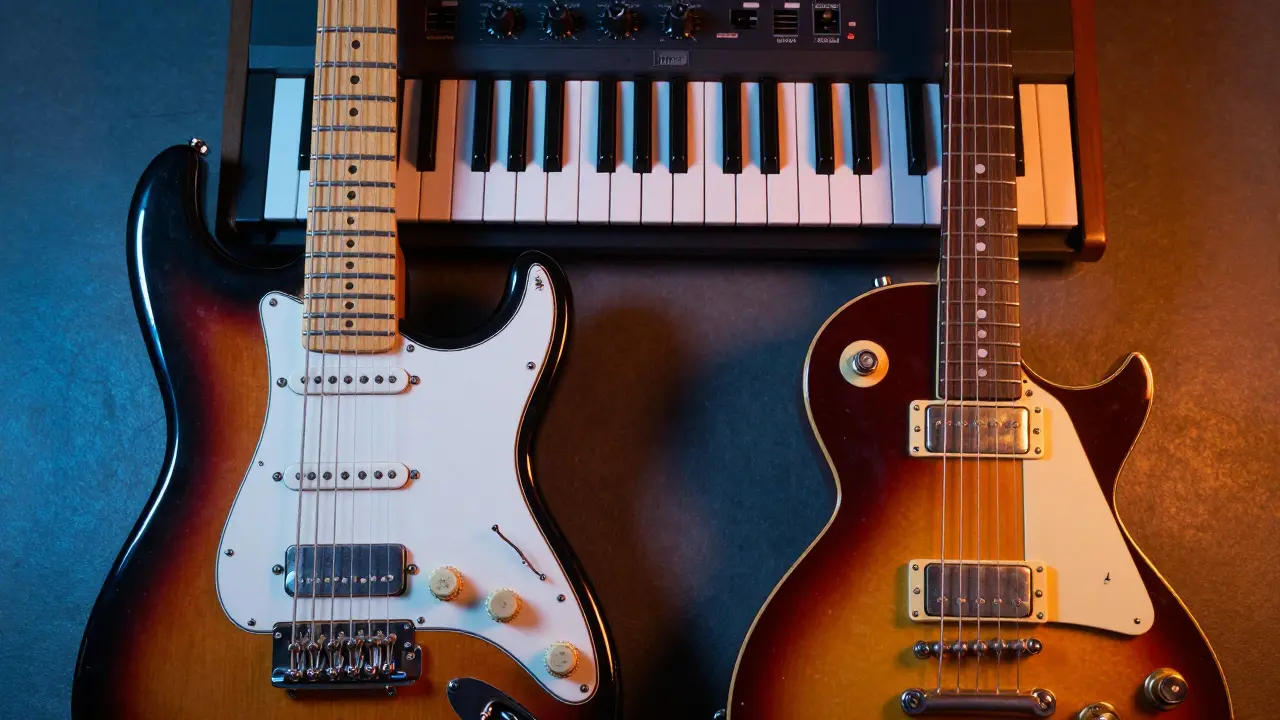
Once the rhythm is set, you need to fill the air. This is where most bands struggle because they try to do too much at once. If you have two guitarists, for example, you can't both play the same chords with the same tone, or you'll create a muddy mess of sound.The Electric Guitar is often the centerpiece. To get a professional sound, vary your gear. Have one person use a Telecaster for those sharp, cutting leads and another use a Les Paul for thick, creamy rhythms. This creates "sonic space," allowing the listener to hear both players clearly. If you're going acoustic, consider the body size; a dreadnought provides a booming low end that's great for solo acts, but a parlor guitar is often easier to mix in a full band setting because it doesn't fight with the bass player.
Adding a Synthesizer or keyboard can change your genre instantly. A polyphonic synth allows you to lay down lush pads that fill the gaps between guitar riffs. If you're aiming for an 80s revival, an analog synth like a Juno or a Moog provides a warmth that digital plugins often miss. The trick here is knowing when to stay out of the way of the vocals.
| Genre | Rhythm Section | Melodic Focus | Key Sonic Characteristic |
|---|---|---|---|
| Rock/Metal | Full Drum Kit, Electric Bass | Overdriven Electric Guitars | High Gain, Aggressive |
| Indie/Folk | Light Drums/Percussion, Acoustic Bass | Acoustic Guitars, Banjo | Organic, Warm, Airy |
| Synth-Pop | Electronic Drums, Synth Bass | Digital Keyboards, Lead Synths | Precise, Bright, Processed |
| Jazz Fusion | Complex Drum Kit, Fretless Bass | Hollow-body Guitar, Piano | Dynamic, Harmonically Rich |
Balancing the Mix: The Secret to a Professional Sound
Picking the instruments is only half the battle; the other half is how they interact. You want to avoid "frequency masking," which is when two instruments compete for the same sonic space. For instance, a thick keyboard patch and a distorted guitar both live in the mid-range. If both are cranked, the audience just hears a wall of noise.To fix this, use the band instrument selection strategy of complementary tones. If the guitar is taking up the low-mids, set the keyboard to a higher register or a thinner tone. If the vocalist has a deep, booming voice, the bass player should focus on a cleaner, punchier tone rather than a muddy, distorted one. This creates a "pyramid" of sound where every instrument has its own designated floor.
Don't overlook the Amplifier. A guitar might sound great in a store, but through a massive 100-watt stack in a small room, it'll be deafening and thin. Match your amplification to your instrument's purpose. A clean, headroom-heavy amp is perfect for jazz or pop, while a tube amp with natural saturation is essential for that classic rock grit.
The Role of Vocals and Accessories
Your voice is an instrument too. Whether you have a lead singer or everyone shares the mic, the equipment matters. A dynamic microphone like the SM58 is a industry standard for a reason-it handles high volumes and ignores a lot of the stage noise around it. If you're doing a more intimate set, a condenser mic will capture the breathy details of a vocal, but it's much more prone to feedback if the drums are too loud.Then there's the gear that doesn't make noise but makes the noise better. Effects Pedals allow a single guitar to sound like a spaceship or a cathedral. However, the common pitfall is "pedalboard overload." If every member of the band is using heavy reverb and delay, the sound becomes a wash of echo. Designate one instrument as the "atmospheric" one and keep the others dry and direct to maintain the beat's clarity.

Avoiding Common Gear Mistakes
Many new bands make the mistake of buying the "best" gear based on a list of top-rated products online. But the "best" instrument is the one that fits the specific chemistry of your group. For example, buying a high-end mahogany-body guitar for a bright, poppy sound is a waste of money because the wood naturally absorbs those high frequencies.- The Volume War: Avoid the urge to turn everything to 10. When everyone plays loud, no one is heard. Establish a volume hierarchy: Drums set the ceiling, then bass, then guitars, then vocals.
- Over-Equipping: You don't need three different synthesizers if one workstation can cover all the sounds. Too much gear leads to more cables, more noise, and more time spent tuning instead of playing.
- Ignoring Compatibility: Ensure your instruments can actually talk to each other. If you're using digital mixers, make sure your keyboards have the right outputs (XLR or TRS) to avoid humming and grounding issues.
Practical Steps for Your First Gear Meeting
If you're just starting out, don't buy everything at once. Start with a "minimum viable setup" and evolve. Sit down with your bandmates and answer these three questions:- What is the primary emotion of our music? (e.g., Aggressive, Dreamy, Sophisticated)
- Which instrument is the "star" of the melody?
- What is the smallest venue we will realistically play?
Can one person play multiple instruments in a band?
Yes, but it requires a strategic layout. Many musicians use MIDI controllers or foot-switches to trigger samples or switch instruments mid-song. The key is to ensure the transition doesn't kill the energy of the performance. Using a multi-instrumentalist often means you need a more versatile sound engineer to handle the different inputs on the fly.
Should I buy expensive gear at the start or upgrade slowly?
Upgrade slowly. Your taste and playing style will evolve rapidly in the first year. Starting with mid-range gear allows you to identify exactly what is missing from your sound. For example, you might find you actually prefer a different pickup configuration on your guitar than you originally thought, which is a cheaper lesson to learn on a budget instrument than a professional one.
How do I stop my bass from sounding muddy?
Muddy bass usually happens when the low-end frequencies overlap too much with the kick drum. Try cutting the low-mid frequencies on your bass amp and asking the drummer to use a punchier, more "clicked" kick pedal. Also, ensure you aren't using too much distortion, as this can smear the note definitions and make everything sound like a rumble.
What is the best way to balance volume during a rehearsal?
The best way is to use a dedicated monitor or a mixing desk. If you're just using amps, turn them all down to a low level and bring them up one by one. Start with the vocals-since they are the most fragile-and build the instruments around them. If the singer has to scream to be heard, your instruments are too loud, regardless of how "correct" the settings are.
Do I really need a dedicated synthesizer for a modern rock band?
Not necessarily, but it adds a layer of professional polish. Even a simple synth pad used sparingly in the chorus can make a song feel "bigger" and more cinematic. If you can't afford a hardware synth, a high-quality VST (Virtual Studio Technology) plugin running through a laptop and a DI box into the PA system works perfectly for most live shows.