
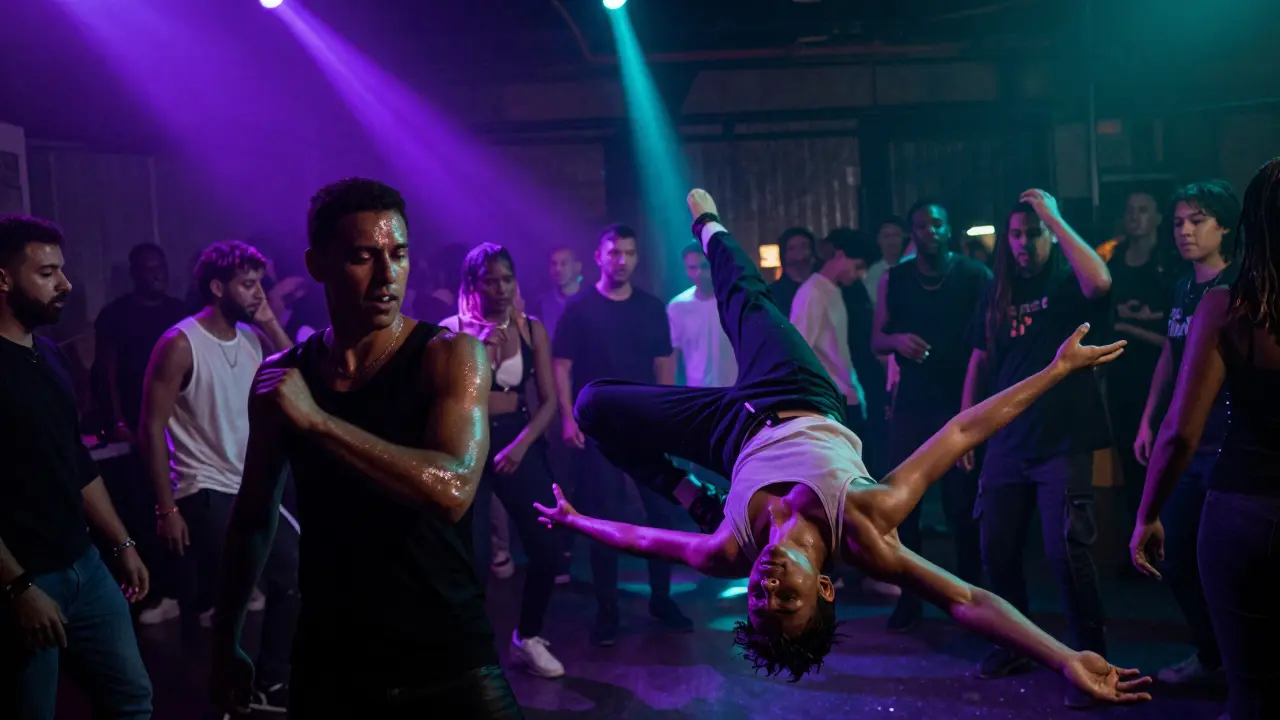
When the first heavy bass drop hit in a warehouse party in London back in 2010, no one expected it to spark a full-body movement. But it did. Dubstep dance didn’t just appear out of nowhere-it grew from the ground up, fueled by bass, rhythm, and raw energy. Today, it’s not just a dance style. It’s a global phenomenon. From TikTok clips with millions of views to underground raves in Tokyo and Berlin, people are moving in ways that mirror the music’s chaotic, wobbling heartbeat.
What Exactly Is Dubstep Dance?
Dubstep dance isn’t one single move. It’s a collection of fluid, aggressive, and often unpredictable movements that match the rhythm of dubstep music. The genre itself-born in South London around the early 2000s-mixes slow, heavy basslines (usually around 140 BPM) with sharp, syncopated rhythms. The dance evolved to match that tension: slow, deliberate steps one moment, then explosive jumps or body isolations the next.
Unlike hip-hop or house dance, which rely on groove and flow, dubstep dance thrives on contrast. Think of it like a puppet controlled by a glitchy signal. Your body lurches, drops, and snaps in response to the wobble. The most common moves include the wobble (a rhythmic body shake synced to bass hits), the stutter step (quick, sharp foot movements), and the drop freeze (a sudden halt right after a bass explosion).
Why Does It Feel So Natural?
It’s not just about the music. It’s about the physics of sound. Dubstep’s bass frequencies (between 50-100 Hz) physically vibrate your chest and legs. Studies from the University of Sussex in 2023 showed that people naturally move their lower bodies more when exposed to low-frequency sounds. That’s why you feel the urge to bounce, shake, or stomp even if you’ve never danced before.
When a dubstep track drops, your body doesn’t just hear it-it feels it. That’s why dancers don’t need choreography. They react. You see it in videos: someone standing still, then suddenly their arms jerk, their knees buckle, and their head tilts backward like they’re being pulled by invisible strings. That’s not practiced. That’s instinct.
How It Spread: From Underground to Mainstream
Dubstep dance started in small UK clubs where DJs like Skream, Benga, and Artwork played tracks nobody else dared to. Dancers there didn’t care about technique. They cared about how the music made them feel. The movement was raw, personal, and often improvised.
By 2015, YouTube channels like Dubstep Dance Crew and BassRush started posting clips of dancers in parking lots, rooftops, and abandoned warehouses. These videos didn’t have professional lighting or editing. They had authenticity. And that’s what went viral.
By 2020, TikTok turned it into a global trend. Hashtags like #DubstepDance and #WobbleChallenge hit over 2 billion views. Teens in Mexico City, college students in Seoul, and factory workers in Poland all started learning the same moves. No one taught them. They watched, mimicked, and made it their own.
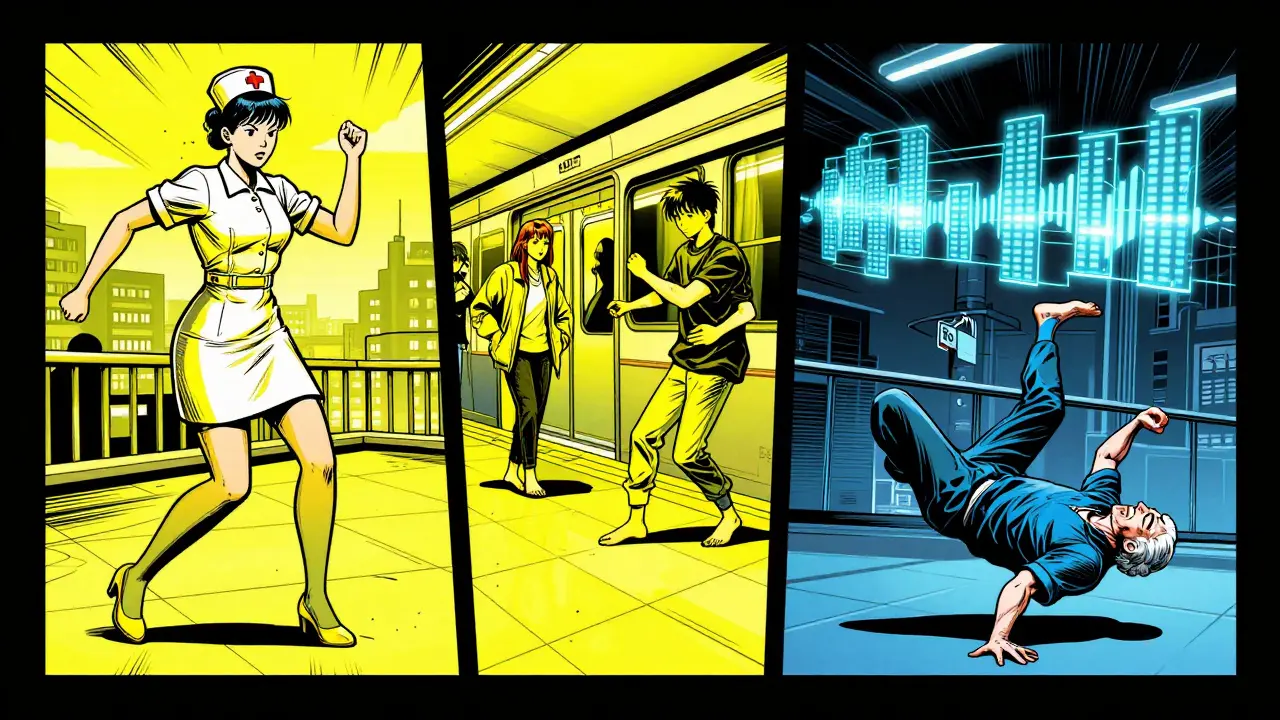
The Signature Moves You Need to Know
If you want to try dubstep dance, you don’t need years of training. You need three things: rhythm, confidence, and a willingness to look a little weird. Here are the core moves that form the foundation:
- The Wobble - Bend your knees slightly, then shake your torso side to side in time with the bass wobble. Keep your arms loose. Let them swing like pendulums.
- The Stutter Step - Quick, choppy footwork. Think of tapping your toes like a broken record. Use it to transition between drops.
- The Drop Freeze - As the bass hits, freeze your body completely. Hold it for a second. Then explode into motion. This move is all about timing and drama.
- The Body Roll - Start at your chest, roll your shoulders forward, then let the motion flow down through your spine. It’s smooth, but it should feel like you’re being pushed by the sound.
- The Head Snap - A sharp, controlled jerk of the head backward or sideways. Don’t overdo it. It’s not a headbang. It’s a punctuation mark.
Who’s Doing It Now?
Dubstep dance isn’t just for teens. It’s embraced by dancers of all ages. In 2025, the World Dubstep Dance Championship in Manchester drew 17,000 attendees from 42 countries. The winning team? A group of nurses from Belfast who rehearsed during lunch breaks.
Professional choreographers have started incorporating dubstep elements into mainstream performances. Beyoncé’s 2024 Renaissance Tour included a dubstep-inspired segment during “Break My Soul.” The dance team from the movie Free Guy (2021) used dubstep moves to represent the digital world’s chaos. Even Cirque du Soleil added a dubstep number to their 2025 show in Las Vegas.
It’s no longer a niche. It’s a language. And like any language, it keeps evolving. New moves are being invented every month. The glitch slide, the reverse wobble, and the echo step are already trending on Instagram Reels.
Why It Matters Beyond the Dance Floor
Dubstep dance isn’t just about movement. It’s about expression in a world that often feels too controlled. In a time when social media rewards perfection, dubstep dance says: Be messy. Be loud. Be out of sync.
It’s a rebellion against polished choreography. It’s a way to release stress without words. People with anxiety, depression, or trauma have shared stories about how learning dubstep dance helped them reconnect with their bodies. One woman in Detroit told a local news outlet: “I used to feel trapped in my skin. Now, when the bass drops, I feel like I’m flying.”
It’s also breaking down cultural barriers. In India, traditional Bhangra dancers now blend dubstep wobbles into their routines. In Brazil, samba schools are training dancers to drop low on bass hits. The music doesn’t speak one language-and neither does the dance.
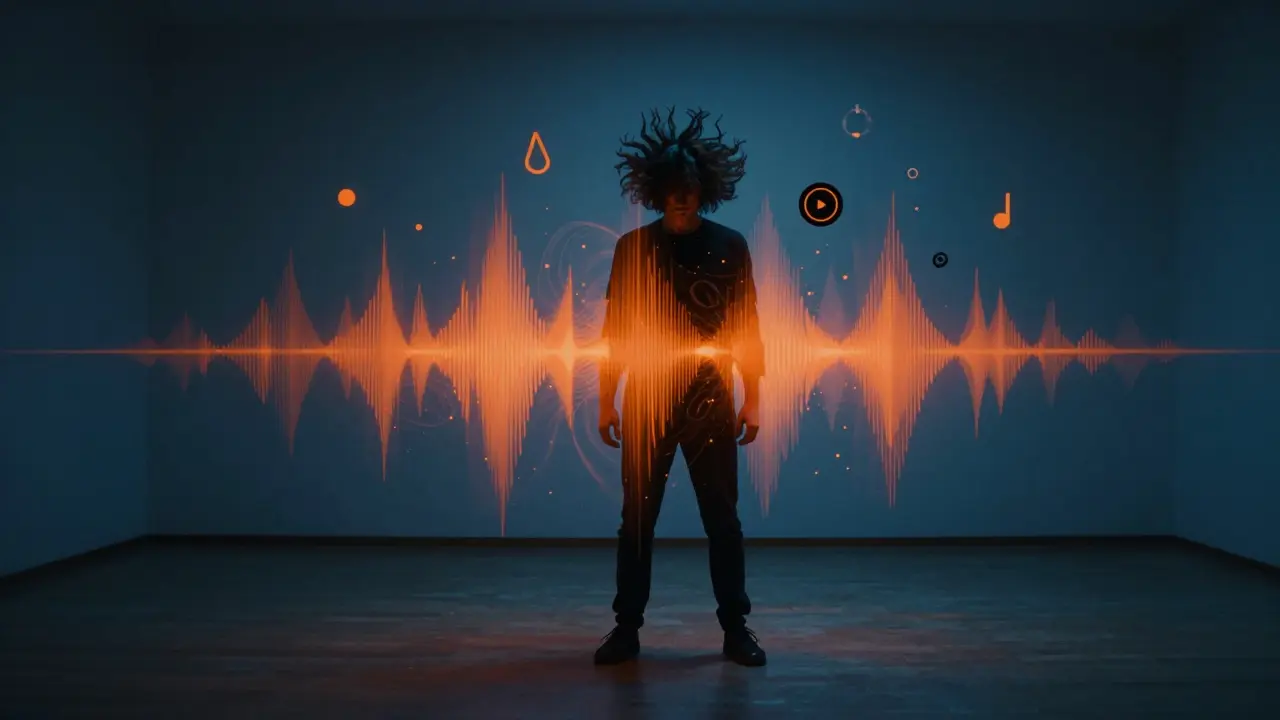
How to Start Learning
You don’t need a studio. You don’t need a mirror. You just need a pair of headphones and ten minutes. Here’s how to begin:
- Find a track with a clear bass wobble. Try “Scary Monsters and Nice Sprites” by Skrillex or “Epic” by Sandro Silva & Quintino.
- Play it on loop. Close your eyes. Just listen. Feel where the bass hits in your chest.
- Start with the wobble. Bend your knees. Shake your shoulders. Don’t think. Just move.
- Watch 3-5 beginner tutorials on YouTube. Don’t copy them. Just get the rhythm.
- Record yourself. Watch it. Laugh. Do it again.
There’s no right or wrong. If it feels good, it’s right. The goal isn’t to look like a pro. It’s to feel alive.
What’s Next for Dubstep Dance?
The next wave is coming. In 2026, augmented reality dance apps are launching that let you overlay digital basslines onto real-world spaces. Imagine dancing in your living room while holographic bass waves ripple through the floor. Companies like Meta and Sony are already testing it.
Meanwhile, universities are starting dance therapy programs based on dubstep principles. The University of Toronto launched a pilot study in late 2025 showing that 78% of participants reported reduced stress after weekly dubstep dance sessions.
And the music? It’s getting even heavier. New subgenres like hyperwobble and sub-bass trap are pushing the limits of what the human body can move to. The dance will evolve with it.
Final Thought
Dubstep dance doesn’t ask for permission. It doesn’t care if you’re young, old, trained, or clumsy. It only asks one thing: Feel it. When the bass drops, you don’t have to be perfect. You just have to be present. That’s why it’s spreading-not because it’s trendy, but because it’s human.
Is dubstep dance the same as krumping or popping?
No. Krumping is fast, aggressive, and rooted in LA street culture. Popping uses muscle contractions to create robotic effects. Dubstep dance is driven by bass frequency and emotional release. It’s looser, more instinctive, and doesn’t follow strict rules. You can mix them, but they’re not the same.
Do I need special shoes to dance dubstep?
Not at all. Many dancers wear sneakers for grip, but others go barefoot or use socks on hardwood floors. The key is freedom of movement. Avoid stiff shoes or anything that restricts your ankle motion. Comfort matters more than style.
Can I do dubstep dance if I’m not fit?
Absolutely. Dubstep dance doesn’t require strength or endurance. It’s about rhythm and expression. People of all body types and fitness levels participate. Some moves are low-impact. Others can be intense-but you control the intensity. Start slow. Listen to your body.
Where can I find dubstep dance communities?
Look for local meetups on Facebook or Meetup.com using tags like "dubstep dance" or "bass movement." Online, Reddit’s r/DubstepDance has over 120,000 members. Instagram and TikTok are full of dancers sharing tips and challenges. Many cities now host monthly "wobble nights" in underground venues.
Is dubstep dance only for young people?
Not at all. The oldest participant in the 2025 World Championship was 72. People in their 50s and 60s are joining because it’s low-pressure, fun, and helps with coordination. Age doesn’t matter. Connection to the music does.