
The Four Pillars That Built the Movement
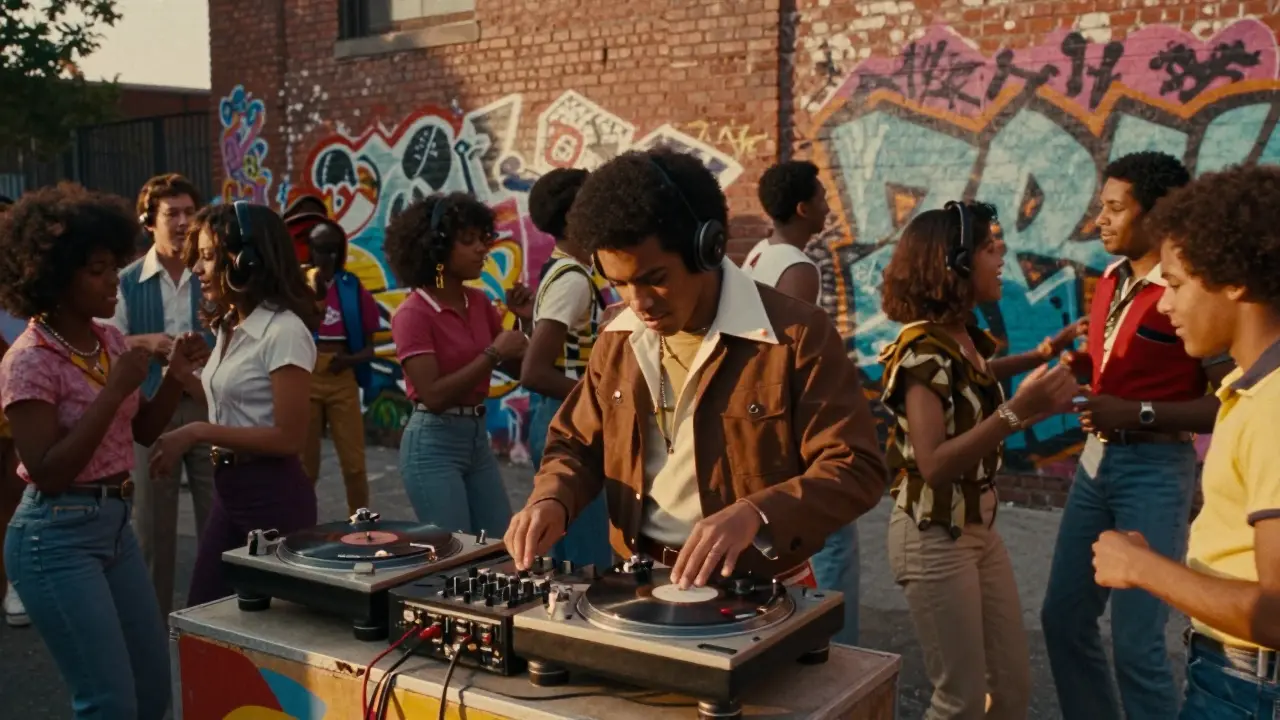
You can't talk about the music without talking about the culture. Hip hop wasn't born in a studio; it was born on the streets. It started as a way for youth to express themselves without needing expensive instruments or formal training. If you had two turntables and a voice, you had a stage.
First, there's the DJ. The DJ is the heartbeat. In the early days, they didn't just play songs; they manipulated them. By using a technique called scratching, they turned the turntable into a percussive instrument. Then came the MC (Master of Ceremonies). Originally, the MC was just there to hype up the crowd and keep the party moving. But soon, these hosts started adding rhymes, storytelling, and social commentary, turning the party into a performance.
But it wasn't just audio. Breakdancing provided the visual energy. While the DJ played the break, dancers would hit the floor with acrobatic moves that mirrored the rhythm of the beat. Finally, Graffiti gave the movement its visual identity. It was the 'wallpaper' of the movement, marking territory and claiming existence in a city that often ignored the people creating it.
The Golden Era and the Shift in Sound
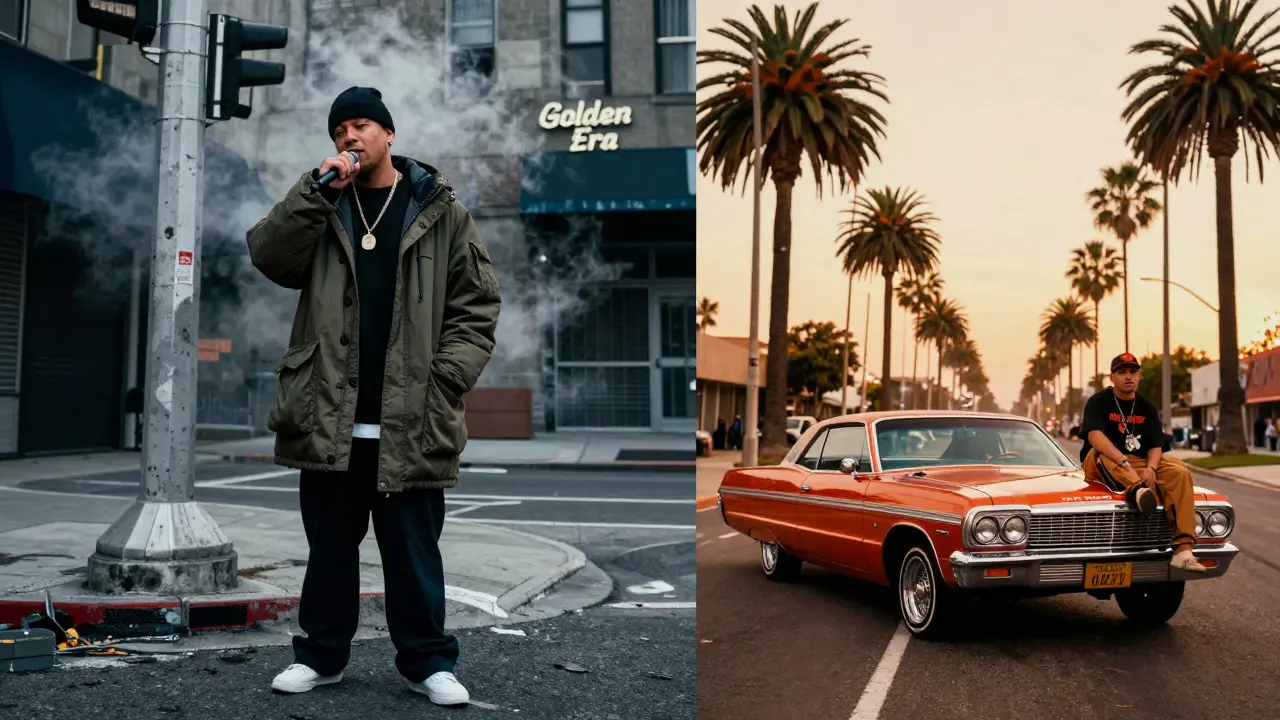
From the mid-1980s to the early 90s, we entered what most call the Golden Era. This was a time of wild experimentation. Producers stopped just looping simple beats and started digging through old jazz and funk records to find the perfect sample. This is where Boom Bap was born-that heavy, kick-snare rhythm that makes you nod your head instinctively.
During this time, the lyrics shifted from 'party vibes' to something deeper. Groups like Public Enemy used the mic to talk about systemic racism and political corruption, turning Hip Hop Music into a tool for social activism. Meanwhile, artists like Rakim revolutionized the flow, moving away from simple nursery-rhyme patterns to complex, internal rhyme schemes that made rapping feel more like poetry.
| Era | Primary Characteristic | Key Tool/Technique | Vibe |
|---|---|---|---|
| Old School (70s-80s) | Party-centric, simple rhymes | Turntables/Mixers | Celebratory |
| Golden Era (80s-90s) | Lyrical complexity, jazz samples | Samplers (MPC60/SP-1200) | Intellectual/Gritty |
| Bling Era (Late 90s-00s) | Commercial polish, luxury themes | Digital Audio Workstations | Glamorous |
| Modern Era (2010s-Present) | Melodic rap, heavy bass | Software Plugins/Auto-Tune | Atmospheric/Eclectic |
The Coast Rivalries: East vs. West
In the 90s, the scene split into two ideological and stylistic camps. In New York, the East Coast sound remained rooted in the gritty, sample-heavy tradition of the Bronx. It was about the lyricism-who could tell the most vivid story about the street? This was the era of the Notorious B.I.G. and Wu-Tang Clan, where the beat served the words.
Out west, specifically in Los Angeles, a different sound emerged. G-Funk, pioneered by Dr. Dre and Snoop Dogg, slowed things down. It traded the gritty samples for synth-heavy basslines and a laid-back, melodic feel that captured the California sun and car culture. This wasn't just a difference in music; it was a difference in lifestyle.
The rivalry eventually turned tragic, but it pushed both sides to innovate. The competition forced artists to refine their production and push the boundaries of what a rap song could be. It proved that hip hop wasn't a monolith; it was a flexible language that could adapt to any environment, whether it was a snowy New York winter or a smoggy LA afternoon.
The Digital Revolution and the Rise of Trap
The 2000s changed everything. We moved from vinyl and CDs to Napster, then iTunes, and eventually streaming. This democratization of music meant a kid in Atlanta didn't need a major label to get heard; they just needed a laptop and a connection. This paved the way for the rise of Trap Music.
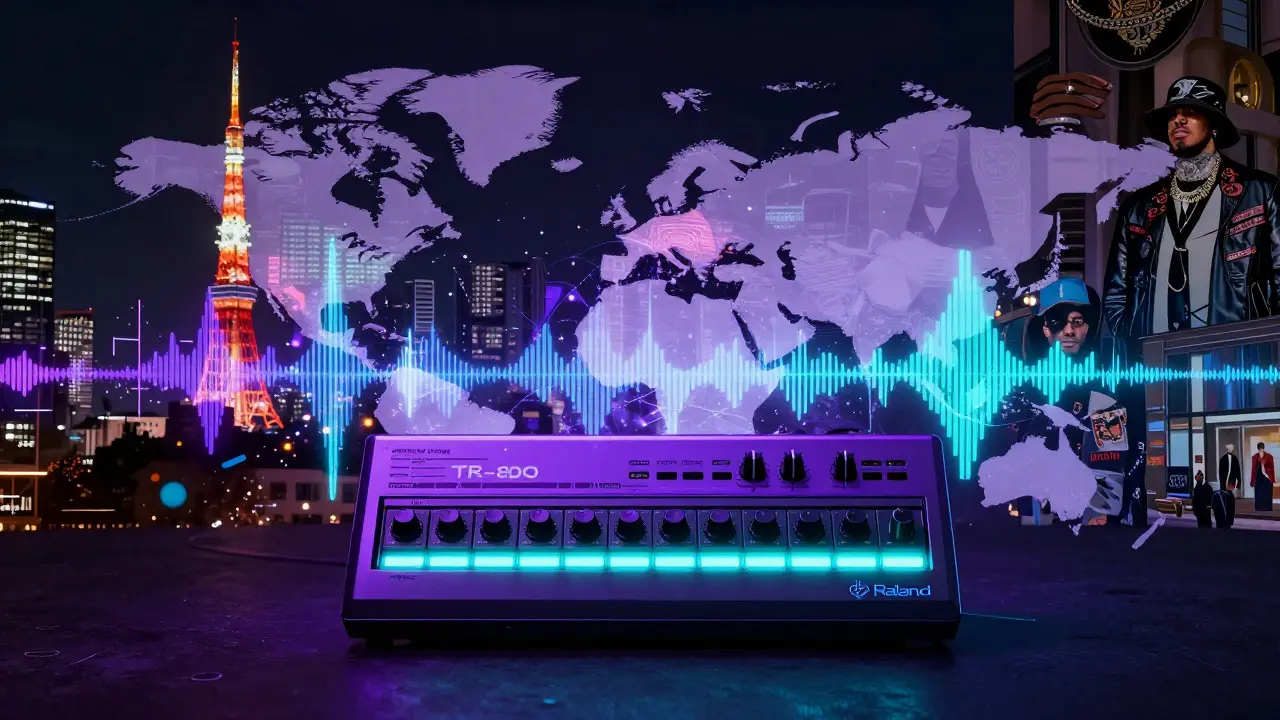
Trap isn't just a genre; it's a sound defined by the Roland TR-808 drum machine. The deep, booming kicks and rapid-fire hi-hats created a tense, atmospheric energy that mirrored the hustle of the 'trap' (drug houses). Artists like T.I. and Gucci Mane laid the groundwork, but the sound eventually swallowed the mainstream, influencing everything from K-pop to country music.
Today, we see the influence of technology in the use of Auto-Tune. While purists argue that it removes the 'skill' from rapping, modern artists use it as an instrument-a way to bend melodies and create emotional textures that weren't possible in the Boom Bap era. The focus has shifted from the 'perfect rhyme' to the 'perfect vibe.'
Why Hip Hop Refuses to Die
Why is this music still the most popular in the world after five decades? Because hip hop is the ultimate underdog story. It is built on the idea of taking something-a broken record, a spray can, a street corner-and turning it into art. That spirit of resilience is universal. Whether it's a teenager in Tokyo or a student in London, the desire to speak their truth over a beat is a powerful motivator.
It also evolves faster than any other genre. It absorbs everything. When it met electronic music, we got hybrid club hits. When it met Latin rhythms, we got the global explosion of Reggaeton. It doesn't just exist alongside other genres; it consumes and transforms them. This adaptability is why it remains an enduring cultural phenomenon.
The Social Impact and Legacy
Beyond the beats, hip hop has been a mirror to society. It has documented the crack epidemic of the 80s, the police brutality of the 90s, and the mental health struggles of the Gen Z era. It provides a voice to those who are often silenced by the mainstream media. When you listen to a conscious rap track, you aren't just hearing music; you're hearing a sociological report from the front lines of urban life.
Moreover, it has fundamentally changed global commerce. From the rise of streetwear brands to the way luxury fashion houses like Louis Vuitton now collaborate with rappers, the 'hip hop aesthetic' is the current global standard for 'cool.' The culture has moved from the margins to the boardroom, giving artists a level of economic power that was unthinkable in 1973.
What is the difference between Rap and Hip Hop?
Rap is the vocal delivery-the act of speaking rhythmically over a beat. Hip Hop, however, is the entire culture. It includes the music (rap), the dance (breakdancing), the art (graffiti), and the lifestyle. Essentially, rap is a tool used within the broader framework of hip hop culture.
What exactly is 'Boom Bap'?
Boom Bap refers to a specific style of hip hop production popular in the 80s and 90s. The name is an onomatopoeia for the sound of the drums: the 'boom' of the kick drum and the 'bap' of the snare. It typically relies on sampled drums and jazz or soul loops, creating a gritty, raw sound.
Why is the Roland TR-808 so important?
The TR-808 is a programmable drum machine that provided the deep, sustaining bass kick that defines Trap and modern rap. Unlike acoustic drums, the 808 can be tuned to a specific pitch, allowing producers to create melodies with the bass line itself.
What were the four original pillars of hip hop?
The four pillars are DJing (the music production and manipulation), MCing (the rapping and hosting), B-boying (the breakdancing), and Graffiti (the visual art). Together, these elements formed the comprehensive social movement known as hip hop.
How did the 'East Coast vs West Coast' rivalry end?
The rivalry peaked in the mid-90s and was marked by lyrical battles and public disputes, culminating in the tragic deaths of The Notorious B.I.G. and Tupac Shakur. Following these events, the industry shifted toward more commercial collaborations, though regional pride still exists in a more friendly, competitive way today.
What to Explore Next
If you're looking to go deeper into this world, start by listening to a few 'essential' albums from different eras. Try starting with The Chronic for that West Coast G-Funk feel, then move to Illmatic for a masterclass in East Coast lyricism. From there, explore the Southern influence through the early works of Outkast. Once you have the sounds down, look into the history of sampling-it's a rabbit hole that connects hip hop to almost every other genre of music in existence.