
Hip Hop Authenticity Checker
Assess how closely a hip hop track aligns with the genre's roots in marginalized communities and social commentary. Select factors that reflect authentic hip hop traditions.
Authenticity Score
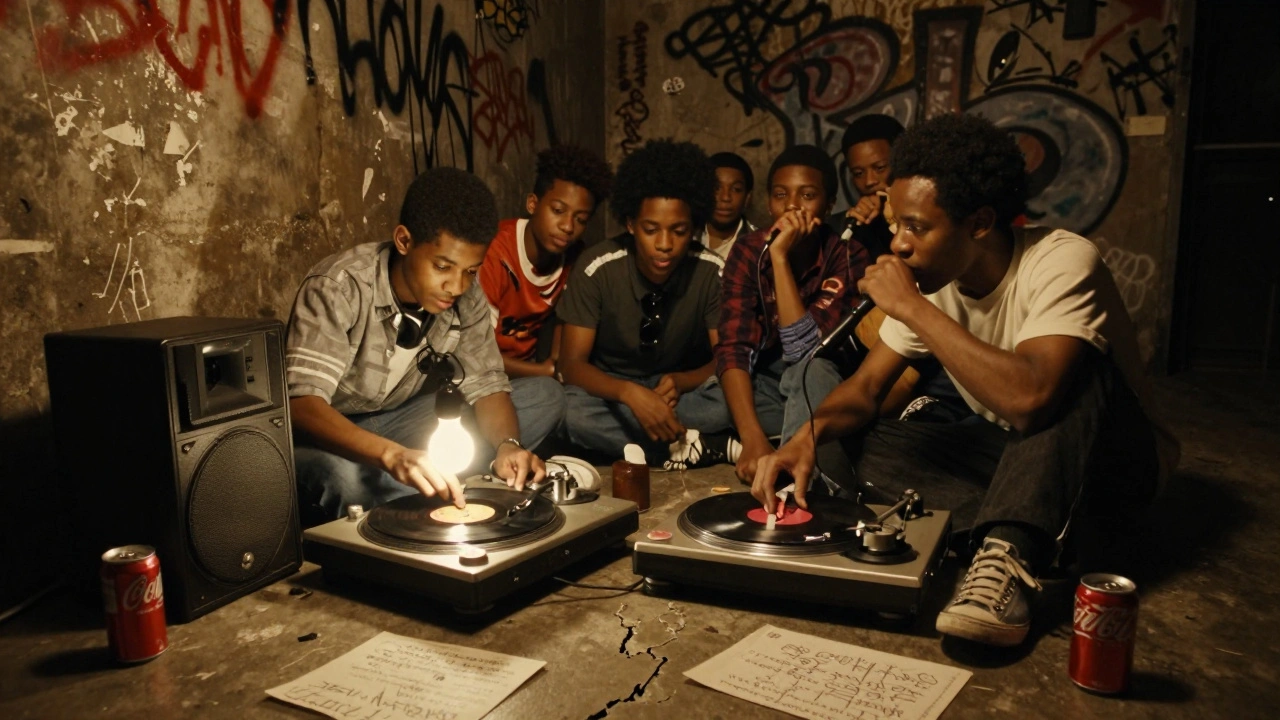
Hip hop music wasn’t born in studios or record labels. It started on street corners, in park jams, and in basements where people had nothing but a beat, a mic, and a story to tell. In the Bronx, 1973, kids turned broken speakers into sound systems. They sampled funk records, looped drum breaks, and spoke over them-not to be famous, but to be heard. This wasn’t entertainment. It was survival. For generations, hip hop has carried the voices of those ignored by the mainstream: Black and Latino youth, the poor, the marginalized, the silenced.
Where the Beat Comes From
Every hip hop track has roots in real life. The boom-bap drum patterns? They mimic the rhythm of footsteps on cracked pavement. The scratch of a record? It’s the sound of a DJ flipping through thrift store finds because new gear was out of reach. The lyrics? They’re diary entries shouted into the night. When Kool Herc dropped the two turntables, he didn’t just create a new sound-he gave a platform to people who had none.
Early MCs like Coke La Rock and Grandmaster Caz didn’t rhyme about luxury cars or designer clothes. They talked about block parties, police harassment, and the struggle to find a job when no one would hire you. Their words weren’t performative. They were testimonies. And when you listen to those old tapes today, you don’t hear music-you hear history.
The Language of the Marginalized
Hip hop didn’t need permission to speak. It borrowed words from street slang, church sermons, and playground chants. It turned phrases like “yo” and “check it” into anthems. It made double entendres out of everyday struggles. A line like “I’m the king of the concrete jungle” isn’t bragging-it’s claiming space in a world that tried to erase you.
Artists like Public Enemy, N.W.A., and later, Kendrick Lamar, didn’t just rap. They documented. Public Enemy’s “Fight the Power” wasn’t just a song-it was a manifesto. N.W.A.’s “F*** tha Police” wasn’t rebellion for shock value. It was a cry from Compton, where cops treated Black men like suspects before they even spoke. These weren’t lyrics written for charts. They were written because silence meant death.
Even today, when a rapper says “I’m from the bottom, but I’m still standing,” they’re not just talking about money. They’re talking about dignity. About being seen when the world looks away.
From the Block to the World
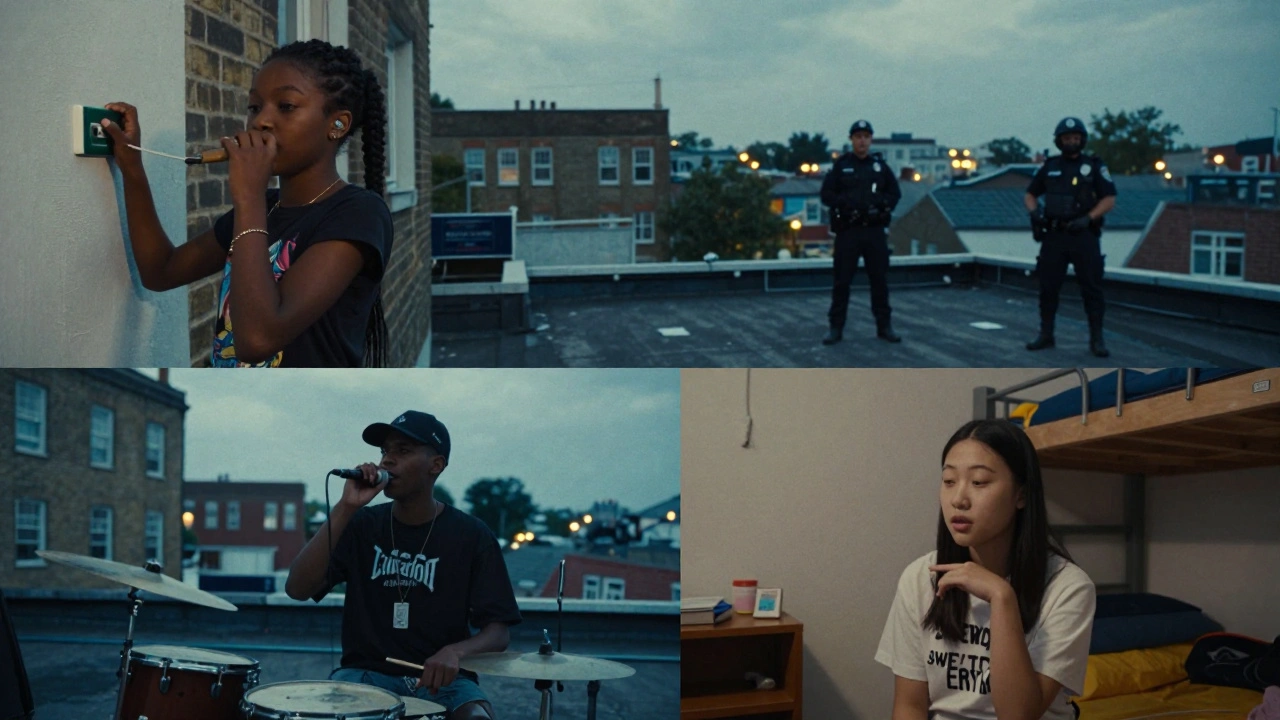
Hip hop didn’t stay in the Bronx. It traveled. It hit Chicago, where drill music turned neighborhood violence into haunting rhythms. It landed in London, where UK grime gave voice to Caribbean youth facing racism and poverty. It reached South Korea, where young rappers use the genre to challenge rigid social hierarchies. Everywhere it went, it kept its core: truth over trends.
In Brazil, favela rappers like Emicida speak about police raids and systemic neglect. In France, artists from the banlieues rap about identity, deportation, and belonging. In South Africa, hip hop became the soundtrack to post-apartheid frustration. The beat changes, but the message doesn’t. It’s always the same: we exist. We matter. We’re not invisible.
When a teenager in Nairobi rhymes about skipping meals to buy a beat, they’re not chasing fame. They’re claiming their right to be heard. That’s the heart of hip hop.
What Gets Lost When It Goes Mainstream
As hip hop became a billion-dollar industry, something shifted. Labels started pushing artists to sing about luxury, violence, and partying-because that’s what sells. The raw, political, personal stories got pushed to the margins. Streaming algorithms favor catchy hooks, not complex narratives. Radio stations skip tracks that mention systemic racism.
But the underground didn’t disappear. It just went quieter. Independent artists still release albums on Bandcamp, not Spotify. They drop mixtapes on YouTube, not MTV. They perform in community centers, not arenas. And their lyrics? They’re still about rent hikes, mental health, and the weight of being Black in America-or Black in Australia, or Black anywhere.
Listen to artists like Noname, Saba, or even newer voices like Ice Spice’s more introspective tracks. They’re not ignoring the mainstream. They’re speaking past it. They’re keeping the original mission alive: to give voice to those who have none.
Why It Still Matters Today
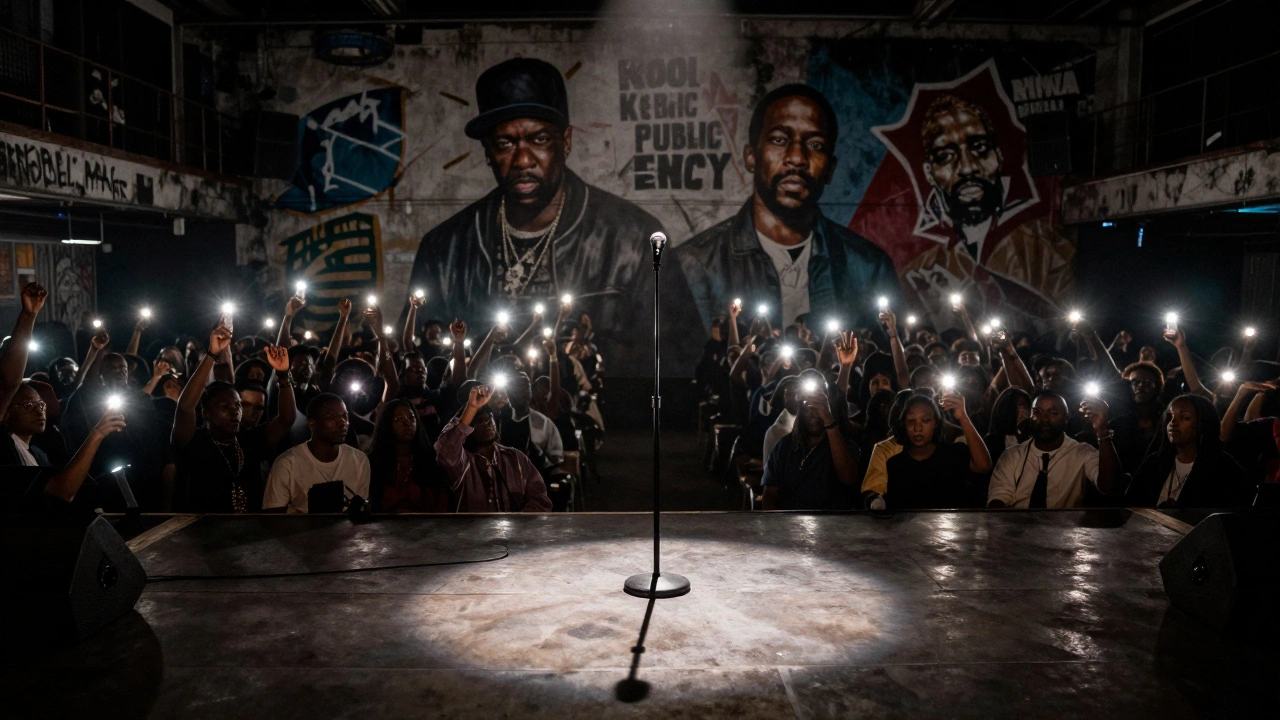
In 2025, hip hop is still the most powerful tool for social commentary in popular music. When George Floyd was killed, it wasn’t a protest song from a rock band that went viral. It was “Alright” by Kendrick Lamar-played at marches, shouted by crowds, printed on signs. That song became an anthem because it wasn’t written for the charts. It was written because people needed to hear it.
Hip hop doesn’t need approval. It doesn’t need a grant or a foundation to fund it. It just needs a microphone and a truth. And in a world where inequality is growing, where youth are being criminalized for speaking up, where marginalized communities still fight for basic rights-hip hop is still the loudest voice.
It’s not about the money. It’s not about the streams. It’s about the kid in Detroit who writes lyrics in their notebook because they don’t know how else to say, “I’m scared.” It’s about the girl in Melbourne’s western suburbs who raps in her bedroom about her mum working three jobs and still not having enough. It’s about the fact that music can be the only thing that keeps someone from breaking.
How to Listen Differently
If you want to understand hip hop, don’t just listen for the beat. Listen for the silence between the words. Listen for the pause before the punchline. Listen for the voice that’s trembling-not from lack of skill, but from the weight of what’s being said.
Play old tracks from the 80s and 90s. Read the liner notes. Look up the interviews. Find out where the artist grew up. Ask yourself: what did they have to survive before they even got to the mic?
Don’t just stream. Engage. Follow independent labels. Support local rappers in your city. Go to underground shows. Buy vinyl from small shops. These aren’t just purchases-they’re acts of solidarity.
Hip hop didn’t ask to be the voice of the unheard. It just showed up. And it never left.
Why is hip hop called the voice of the unheard?
Hip hop emerged from communities that were ignored by mainstream media, politics, and the economy. Its earliest artists-Black and Latino youth in the Bronx-used rap to express their daily struggles: poverty, police violence, lack of opportunity. Unlike other genres that often focus on romance or partying, hip hop gave space to raw, unfiltered stories of survival. Even today, when mainstream music avoids hard truths, underground hip hop continues to speak for those who have no other platform.
Is hip hop still political today?
Yes, but the political voice is split. Mainstream hip hop often focuses on wealth and fame, but the underground scene is more active than ever. Artists like Armand Hammer, Moor Mother, and even newer voices like Fousheé use their music to tackle racism, climate injustice, mental health, and mass incarceration. Social media has made it easier for these artists to bypass traditional gatekeepers and reach listeners directly. Political hip hop isn’t dead-it’s just not always on the radio.
Can hip hop change society?
It already has. Hip hop influenced fashion, language, education, and even policy. In the U.S., rap lyrics have been used in court cases to criminalize young Black men-sparking national debates about free speech. In schools, teachers use hip hop to teach history and literature because students connect with it. Movements like Black Lives Matter adopted hip hop anthems as protest songs. It doesn’t change policy overnight, but it shifts culture-and culture changes policy over time.
Why do some people say hip hop is just about violence and money?
That’s a stereotype pushed by media and record labels. The most profitable hip hop tracks are often the ones with flashy lifestyles or aggressive lyrics because they’re easier to market. But that’s only one side. Most rappers don’t live that life. The majority of hip hop-especially from independent artists-is about resilience, family, healing, and community. The loud, commercial side gets attention. The quiet, truthful side gets ignored. But it’s still there.
How can I support authentic hip hop?
Start by listening beyond the charts. Explore local scenes, follow independent labels, and attend small shows. Buy music directly from artists on Bandcamp or SoundCloud. Support record stores that carry underground vinyl. Follow rappers on social media and share their work. Don’t just stream-engage. Learn the history behind the lyrics. Ask questions. The most powerful way to support hip hop is to treat it as culture, not just content.