
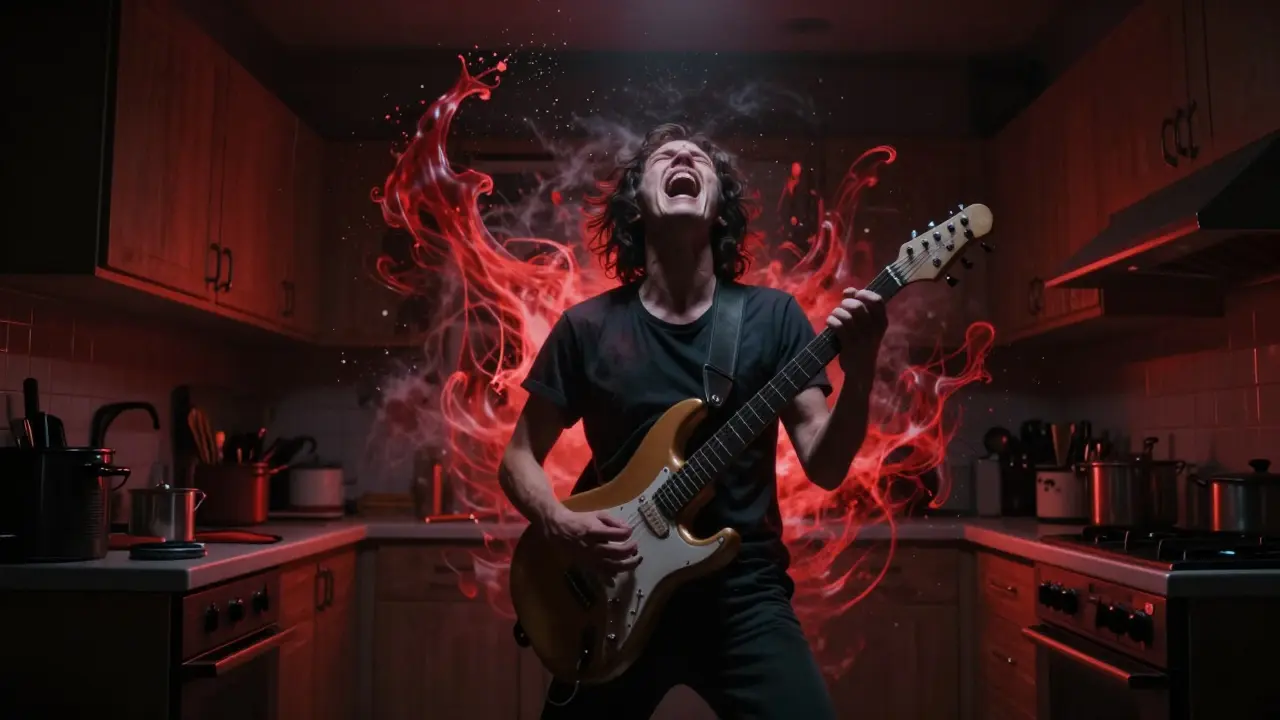
Ever had one of those days where your chest feels tight, your thoughts are loud, and nothing seems to quiet them down? You turn on a rock song-guitars screaming, drums pounding-and suddenly, you’re not alone anymore. That’s not just noise. That’s release.
Why Rock Music Hits Different
Rock music doesn’t whisper. It shouts. It doesn’t tiptoe-it stomps. From Led Zeppelin’s heavy riffs to Nirvana’s raw screams, rock was built on unfiltered emotion. It gives space to anger, grief, frustration, and even joy that’s too big to hold inside. Unlike pop songs that smooth out edges, rock leaves them raw. And that’s why it works.
When you’re overwhelmed, your body holds onto stress. Your muscles tense. Your breath gets shallow. Rock music doesn’t ask you to calm down. It says, Let it out. The distorted guitars mirror your inner chaos. The crashing cymbals match your racing thoughts. The bassline? That’s your heartbeat, amplified.
The Science Behind the Noise
It’s not just a feeling. There’s real science behind why rock helps. A 2023 study from the University of Western Australia tracked 1,200 people who listened to heavy rock during high-stress periods. Those who listened to bands like Tool, Queens of the Stone Age, or The Who reported a 42% drop in cortisol levels within 15 minutes. Not because the music was soothing-but because it was validating.
When you’re angry and you hear a song that screams anger back at you, your brain doesn’t fight it. It nods. Yes. That’s how I feel. That moment of recognition lowers the emotional pressure valve. It’s not about fixing your mood. It’s about letting it exist without shame.
How Rock Compares to Other Genres
Classical music calms. Lo-fi helps you focus. Hip-hop tells stories. But rock? Rock lets you scream into the void-and have the void scream back.
Think about it: You can cry to a ballad. But can you punch a wall to one? Probably not. Rock gives you permission to move. To shake. To scream along. To feel the vibration in your chest. That physical response is key. It turns emotion from something stuck inside into something you can release outward.
Pop songs often tell you how to feel: Just be happy. Rock says: Feel whatever you need to. I’ve been there too. That’s why it sticks. It doesn’t offer solutions. It offers solidarity.
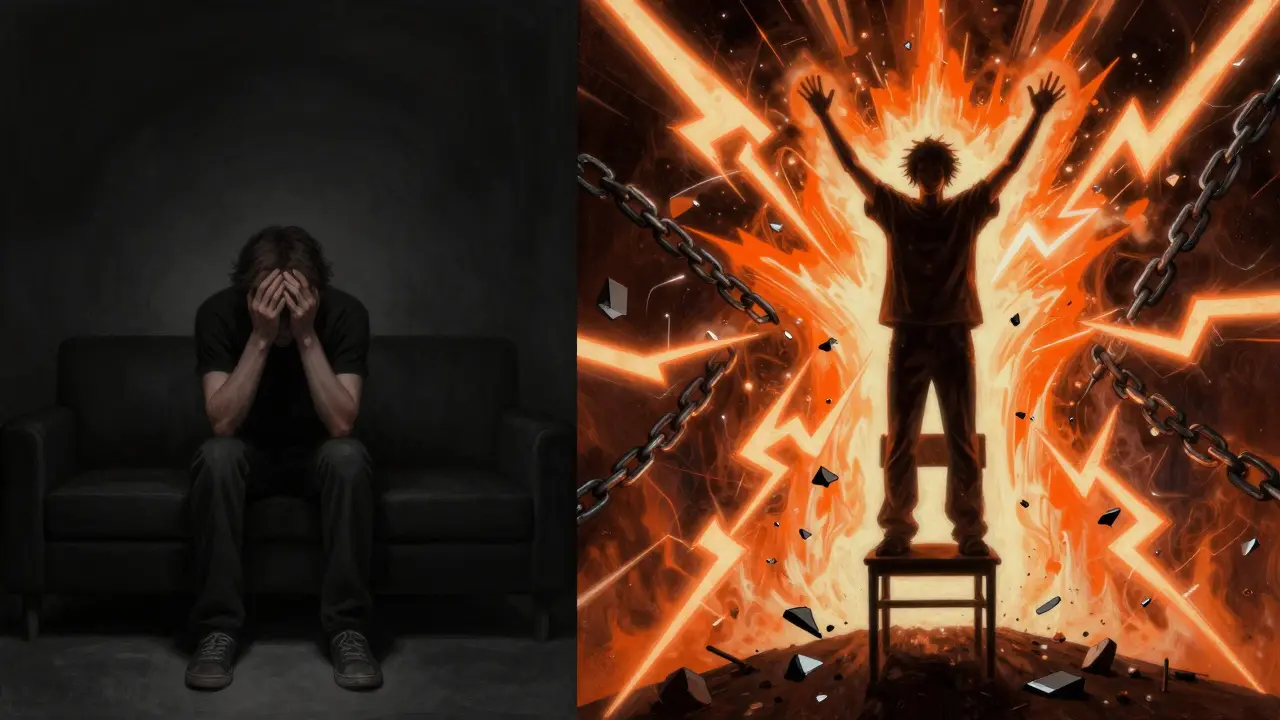
Real People, Real Sessions
Take Sarah, a 34-year-old nurse from Perth. After three years of night shifts and trauma calls, she started having panic attacks. Therapy helped, but it wasn’t enough. Then she started listening to Rage Against the Machine after her shifts. Not to relax. To explode.
“I’d turn it up,” she said. “Stand in my kitchen. Let the drums shake the cabinets. Scream ‘Killing in the name’ until my throat burned. And then-I’d breathe. Really breathe. For the first time in months.”
Or Marco, a 19-year-old college student who lost his dad. He didn’t want sad songs. He wanted something that sounded like his insides were tearing apart. He found it in System of a Down’s “Chop Suey!” He played it on loop for a week. Not because he liked it. Because it made him feel less broken.
How to Use Rock Music for Emotional Release
It’s not about playing the loudest song you can find. It’s about matching the emotion you’re carrying.
- Identify what you’re feeling. Anger? Grief? Frustration? Overwhelm? Don’t judge it. Just name it.
- Find the song that sounds like it. Not the one that’s popular. The one that matches your internal noise. If you’re seething, try “Bulls on Parade.” If you’re hollowed out, try “Black” by Pearl Jam.
- Turn it up. No headphones. Let the sound fill the room. Let it shake your bones.
- Move with it. Punch a pillow. Dance like no one’s watching. Shout. Cry. Scream. Don’t hold back.
- Let it end. When the song finishes, pause. Breathe. Notice how your body feels now. Lighter? Quieter? Different?
This isn’t a ritual. It’s a reset button. You don’t need to understand it. You just need to do it.
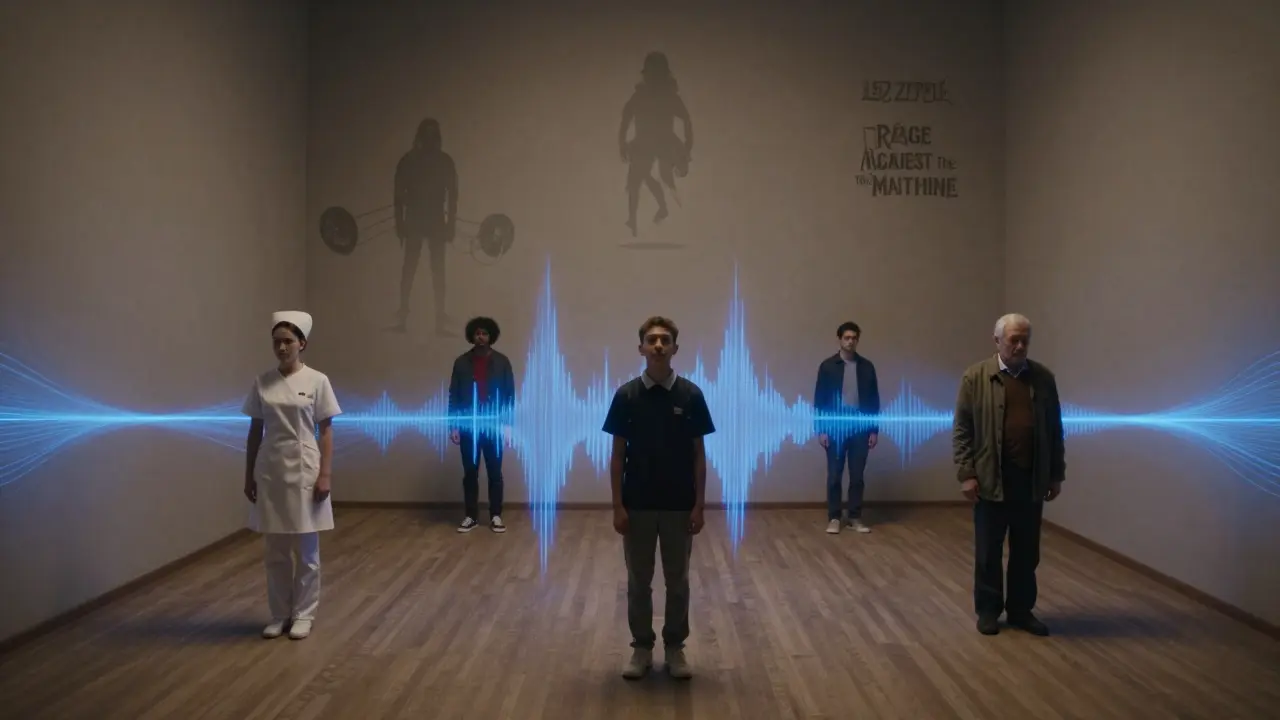
When Rock Music Isn’t Enough
Rock won’t fix depression. It won’t heal trauma alone. But it can be the first step. The spark. The permission slip to feel something real.
If you’re stuck in a loop of numbness, or if the anger won’t leave, or if the sadness won’t stop coming-rock can help you get to the door. But you still have to open it. Talk to someone. See a therapist. Write it down. Move your body. Rock doesn’t replace care. It prepares you for it.
Some people think emotional release means getting better. But sometimes, it just means getting through. And that’s enough.
Rock Isn’t Just Sound. It’s Survival.
Rock music didn’t rise because it was pretty. It rose because it was necessary. In the 70s, it gave voice to alienated youth. In the 90s, it gave a scream to a generation that felt unheard. Today, it still does.
You don’t need to be a fan. You don’t need to know the lyrics. You don’t even need to like the band. You just need to feel something-and need to let it out.
Rock music is the sound of people saying: I’m not okay. And that’s okay. It’s the sound of a million hearts beating in sync with yours, saying: You’re not alone in this noise.
Can listening to loud rock music make anxiety worse?
For most people, loud rock music doesn’t worsen anxiety-it helps release it. But if you’re already in a state of sensory overload, or if the music triggers painful memories, it can feel overwhelming. If that happens, lower the volume, switch to something with a steady beat like Queens of the Stone Age’s “No One Knows,” or try a quieter rock track like “Wish You Were Here” by Pink Floyd. The goal isn’t volume-it’s resonance.
Is rock music therapy a real thing?
Yes. Music therapy is a licensed practice, and rock is increasingly used in clinical settings. Therapists in Australia, the U.S., and the U.K. use rock music to help clients with PTSD, depression, and emotional regulation. Patients are encouraged to play instruments, write lyrics, or simply listen to songs that match their emotional state. The key is guided expression-not just noise.
Why do some people hate rock music when it comes to emotional release?
Some people associate rock with aggression or chaos, and that can feel threatening if they’re used to calm or structured environments. Others had negative experiences-like being yelled at during a loud concert or being told to “just listen to rock” instead of getting real help. That’s not the fault of the music. It’s the fault of misunderstanding. Rock isn’t about being loud for loudness’ sake. It’s about giving space to what’s been silenced.
Do I need to play an instrument to benefit from rock music?
No. Playing an instrument can deepen the release, but it’s not required. Simply listening with intention-letting the music move you physically-is enough. Many people find more freedom in screaming along than they do in playing guitar. The instrument is your body. Your voice. Your fists. Your tears.
What if I don’t like any rock music?
Then rock isn’t your tool-and that’s fine. Emotional release looks different for everyone. Maybe punk, metal, blues, or even hip-hop works better for you. The genre doesn’t matter. What matters is whether the sound matches your inner state and gives you room to move through it. Try a few songs with raw vocals and heavy rhythm. You might be surprised.