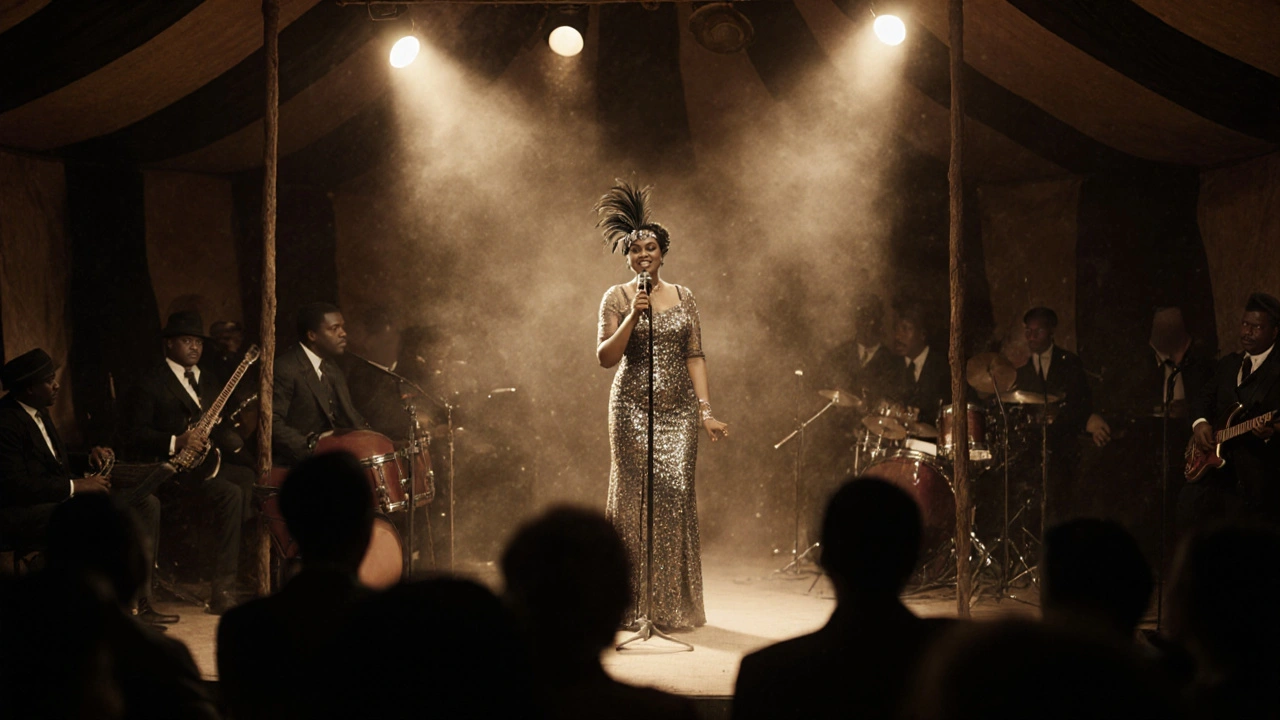
Bessie Smith: The Empress of the Blues and Her Lasting Legacy
When you hear the raw, unfiltered emotion in blues music, you’re hearing the echo of Bessie Smith, the most influential female blues singer of the 1920s and 1930s, whose voice carried the weight of Black life in America and reshaped popular music forever. Also known as the Empress of the Blues, she didn’t just sing—she told stories that made people feel seen, even when the world refused to listen.
Her music didn’t come from a studio—it came from the streets, juke joints, and tent shows of the Deep South. She sang about heartbreak, poverty, love gone wrong, and resilience, all wrapped in a voice so powerful it could fill a room without a microphone. Bessie Smith didn’t need fancy production. She needed truth. And that truth became the foundation for blues music, a genre born from African American spirituals and work songs, defined by its 12-bar structure and emotional honesty. Her recordings with Columbia Records sold millions, making her the highest-paid Black entertainer of her time. But her real impact? She gave permission to every singer after her—from Aretha Franklin to Janis Joplin—to sing from the gut, not the script.
Her influence runs through every post in this collection. You’ll find how blues music, the emotional core of modern American sound shaped soul, jazz, and even hip-hop. You’ll see how her style—bold, unapologetic, deeply human—echoes in songs about struggle and survival. You’ll read about the female blues artists, women who, like Bessie, used music to claim space in a world that tried to silence them. And you’ll understand why classic blues, the raw, acoustic-driven sound that preceded electric amplification still matters today. This isn’t history. It’s the heartbeat beneath the music you still feel in your chest.
What you’ll find here aren’t just articles about Bessie Smith—they’re connections. How her voice changed the way we hear pain. How her courage rewrote the rules for Black women in music. How the same emotions she poured into songs like "Downhearted Blues" still live in today’s soul revivalists and indie blues bands. This isn’t a museum exhibit. It’s a living thread. And you’re holding it now.
Meet the pioneering Black women who defined the blues-Ma Rainey, Bessie Smith, Ida Cox, and others whose powerful voices shaped music history and inspired generations of artists.