Blues Pioneers: The Raw Voices Who Shaped Modern Music
When you hear a guitar cry or a voice crack with feeling, you're hearing the legacy of the blues pioneers, the first African American musicians in the early 1900s who turned hardship into structured, soulful songs. Also known as Delta blues artists, they played on porches, in fields, and in juke joints—with nothing but a guitar, a voice, and the truth. These weren’t polished performers. They were sharecroppers, railroad workers, and ex-slaves who sang about loss, love, and survival. Their music didn’t need fancy studios. It just needed to be real.
The sound they created didn’t stay in the Mississippi Delta. It traveled north with the Great Migration, and in cities like Chicago, it got louder. Chicago blues, a grittier, amplified version of the Delta style, brought in electric guitars and drums. This was the sound that turned blues into something you couldn’t ignore—something that would later inspire rock and roll. Artists like Muddy Waters and Howlin’ Wolf didn’t just play music—they rewrote the rules. They took the 12-bar structure, the bent notes, the call-and-response, and made it electric. And when you hear a rock guitarist shred a solo, you’re hearing a direct line back to those early pioneers.
It wasn’t just about instruments. It was about attitude. The electric blues, the bridge between acoustic roots and modern rock, showed that emotion could be amplified—not diluted—by technology. These musicians didn’t chase fame. They chased feeling. And that’s why their music still hits hard today. You don’t need to know music theory to feel it. You just need to have been hurt, or loved, or been tired of the world. That’s the blues.
What you’ll find below is a collection of posts that dig into the roots, the evolution, and the lasting power of this sound. From how Delta blues became Chicago anthems, to why its emotional core still shapes everything from soul to hip-hop—you’ll see how these pioneers didn’t just make music. They built the foundation for modern sound.
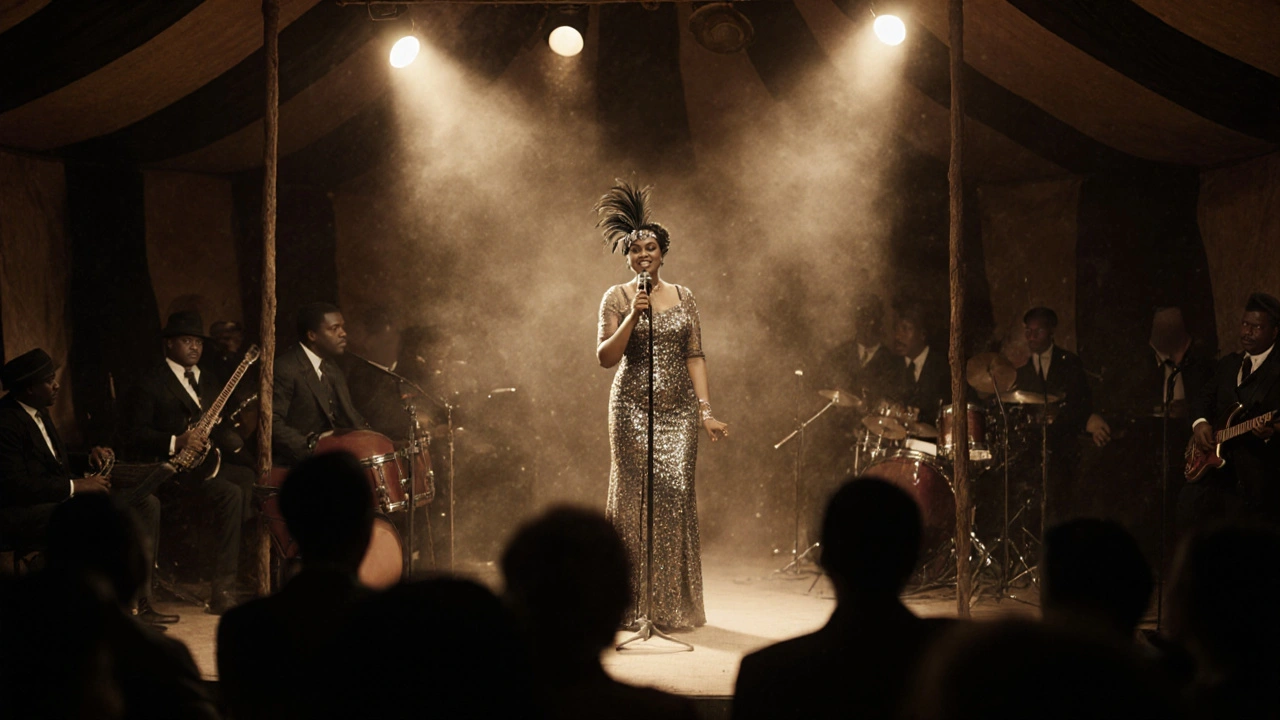
Meet the pioneering Black women who defined the blues-Ma Rainey, Bessie Smith, Ida Cox, and others whose powerful voices shaped music history and inspired generations of artists.