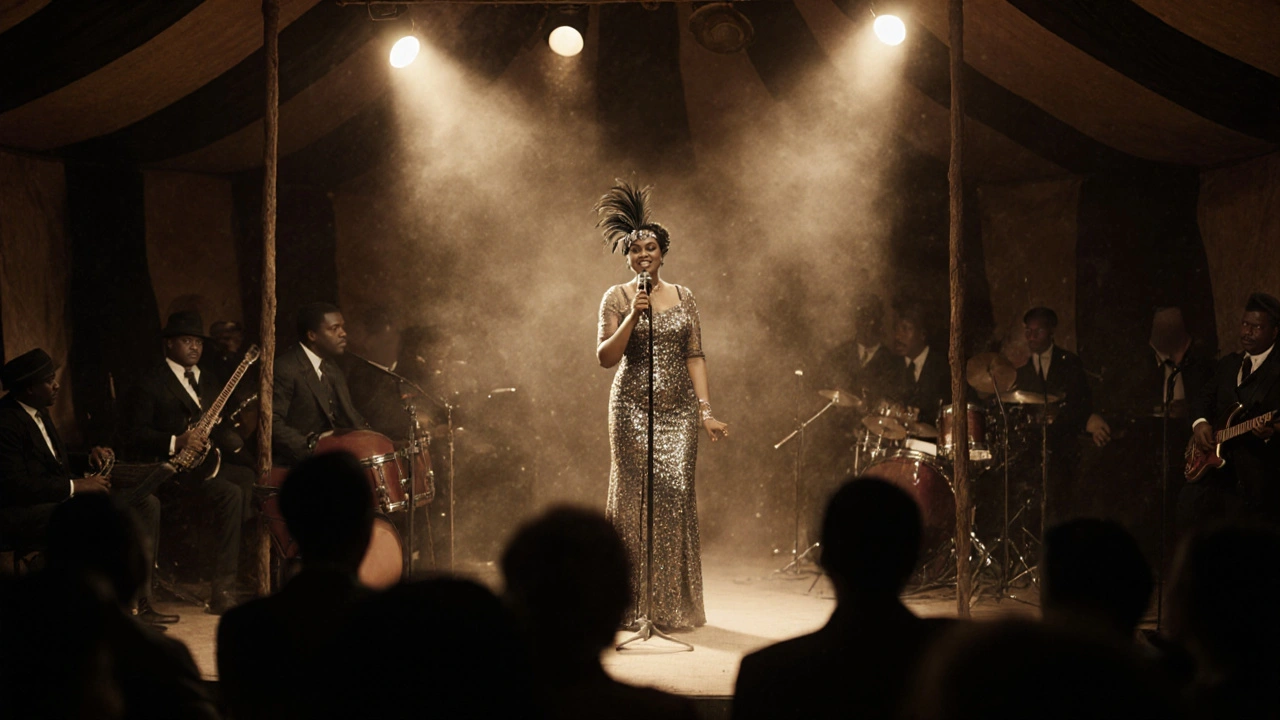
Female Blues Singers: The Voice That Shaped a Genre
When you think of the female blues singers, women who pioneered and defined the emotional core of blues music through raw, unfiltered expression. Also known as blues queens, they didn't wait for permission—they took the mic, broke the rules, and turned hardship into history. This isn't just about music. It's about survival, rebellion, and truth spoken loud when silence was demanded.
Behind every great blues song is a woman who lived it. Bessie Smith, the Empress of the Blues, whose powerful voice sold millions in the 1920s and made her the highest-paid Black entertainer of her time didn't sing to be pretty—she sang to be heard. Ma Rainey, known as the Mother of the Blues, was one of the first to record blues music and openly lived her truth in a time when that was dangerous. These weren't performers. They were storytellers who carried the weight of Black life in the South and turned it into something you could feel in your chest.
And it didn't stop there. The raw emotion of female blues singers didn't just influence jazz or R&B—it became the foundation for Aretha Franklin, who took that same fire and fused it with gospel to create soul music that moved the world. You hear her in rock singers, in hip-hop flows, in modern pop ballads. The blueprint was laid by women who sang about cheating husbands, broken homes, and the cost of freedom—on their own terms.
Blues music is built on truth, not perfection. And the strongest truths came from women who had the least power but the loudest voices. They didn't need fancy studios or backing bands. A guitar, a stool, and a story were enough. Their music wasn't about being polished—it was about being real. And that’s why it still hits today.
You’ll find posts here that trace how blues music grew from field hollers to electric anthems, how it shaped other genres, and how its emotional core never changed. You’ll see how female blues singers didn’t just participate in the genre—they owned it. Their influence echoes in every singer who lets her voice crack with feeling instead of hiding it. This isn’t a history lesson. It’s a reminder: some of the most powerful music ever made was sung by women who refused to be silenced.
Meet the pioneering Black women who defined the blues-Ma Rainey, Bessie Smith, Ida Cox, and others whose powerful voices shaped music history and inspired generations of artists.