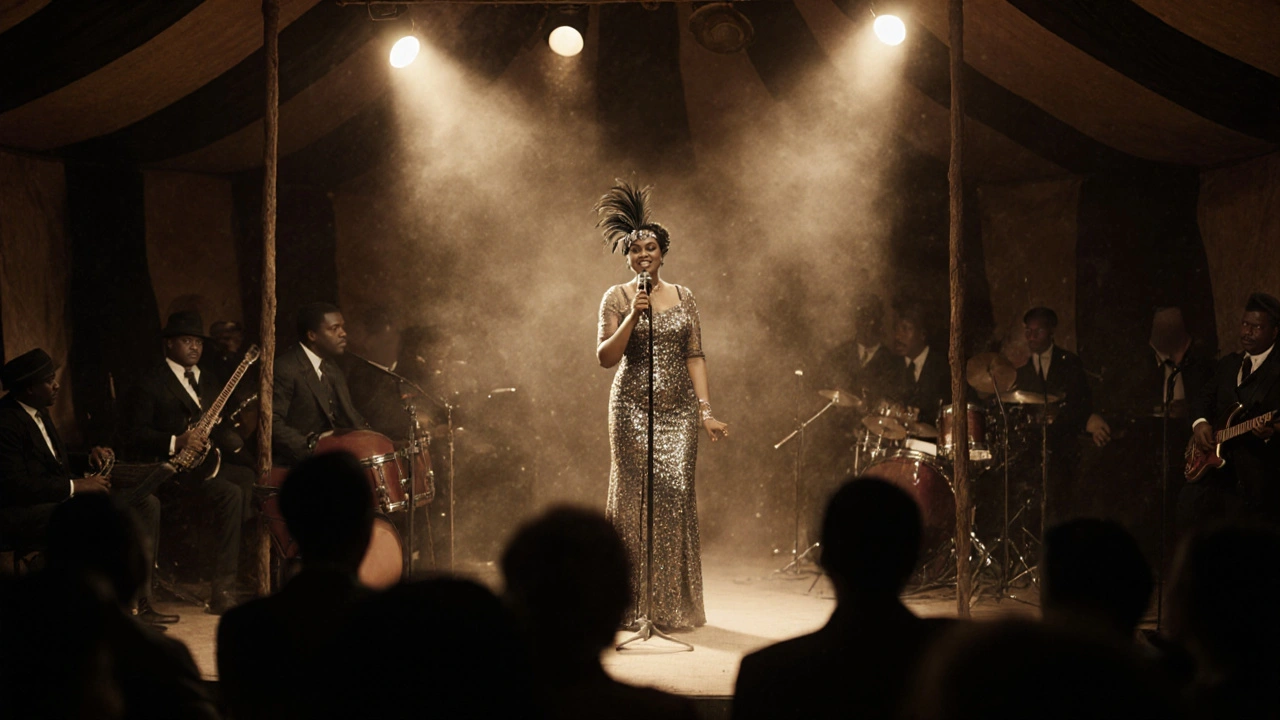
Ma Rainey: The Mother of Blues and Her Lasting Influence on Music
When you think of Ma Rainey, the first professional blues singer to record music and a foundational force in American popular song. Also known as the Mother of the Blues, she turned personal pain into powerful performances that echoed through every corner of Black America and beyond. She didn’t just sing the blues—she defined them. In the 1920s, when recording technology was still new and radio was barely a whisper, Ma Rainey took her show on the road with the Rabbit Foot Minstrels, singing about heartbreak, freedom, poverty, and joy in a voice that didn’t care if it was perfect—it just had to be true.
Her music didn’t exist in a vacuum. Blues music, a raw, emotional genre born from African American spirituals, work songs, and field hollers, found its first major voice in her. She carried the Delta’s grit into urban theaters, blending it with vaudeville flair. That blend became the blueprint for what later artists like Bessie Smith, Billie Holiday, and even Aretha Franklin would build on. Early blues, the foundational style that shaped rock, soul, and R&B owes its emotional honesty to Ma Rainey’s unfiltered delivery. She sang about being cheated on, being broke, being tired, and being proud—all in a way that made listeners feel seen. Her songs weren’t just entertainment; they were survival guides in sonic form.
What makes her story even more powerful is that she did it as a Black woman in a time when neither race nor gender gave her an advantage. She wore flashy costumes, spoke openly about same-sex relationships in her lyrics, and refused to be silenced. Her recordings with Paramount Records—songs like "See See Rider" and "Bo-Weevil Blues"—sold hundreds of thousands of copies, proving that Black women’s voices could drive the music industry. And while the world moved on to swing, bebop, and soul, the heartbeat of those styles still traces back to her.
When you read the posts below, you’ll see how her legacy lives on. The emotional truth in blues music. The way soul singers channel her pain and power. The rhythm in modern rock that still echoes her 12-bar structure. This isn’t history—it’s the foundation. And every time someone picks up a guitar and lets their voice crack with feeling, they’re standing in her shadow.
Meet the pioneering Black women who defined the blues-Ma Rainey, Bessie Smith, Ida Cox, and others whose powerful voices shaped music history and inspired generations of artists.