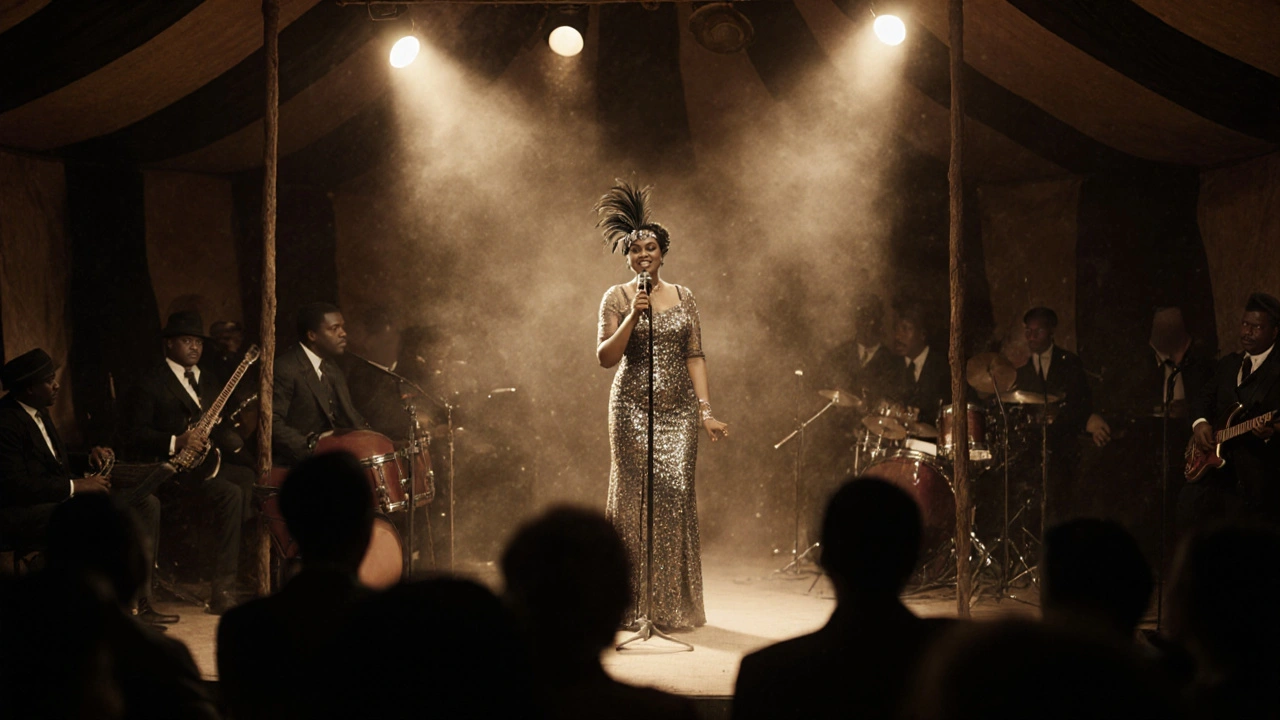
Women in Blues: The Untold Voices That Shaped a Genre
When you think of women in blues, female artists who pioneered and defined the emotional core of blues music through raw vocals, personal lyrics, and fearless presence. Also known as female blues pioneers, they didn’t wait for permission—they built the stage with their own hands. This isn’t just about singing. It’s about survival turned into sound. While men dominated the narrative, women like Bessie Smith, the Empress of the Blues, whose powerful voice and commanding stage presence made her the highest-paid Black entertainer of the 1920s and Ma Rainey, the Mother of the Blues, who brought Delta blues from rural fields to urban theaters and mentored a generation of singers didn’t just perform—they led. They sang about abuse, poverty, love, and freedom in ways no one else dared. Their music wasn’t polished. It was real. And that truth became the foundation for rock, soul, and R&B.
Blues music itself, as you’ll see in posts like The Power and Passion Behind Blues Music and Blues Music: The Universal Language of Emotion, thrives on honesty. But without these women, that honesty might’ve stayed buried. They were the first to record blues songs commercially. They toured the South in packed trains, playing for Black communities when segregation kept them out of white venues. They wrote songs about cheating husbands, police brutality, and migrating north—not as metaphors, but as daily reality. And they did it while fighting racism, sexism, and exploitation from record labels that paid them pennies. Their influence didn’t stop at the mic. They shaped how blues was played, arranged, and even marketed. The 12-bar structure? They made it breathe. The call-and-response? They turned it into conversation. The raw, gritty tone? That was their signature.
Today, when you hear a modern artist pour their soul into a slow, aching note, they’re standing on the shoulders of women who had no safety net. The posts below don’t just list names—they uncover stories. You’ll find how these artists connected blues to broader cultural shifts, how their recordings became lifelines for generations, and why their legacy still matters in every guitar riff, every vocal run, every honest lyric written by someone who’s been through it. This isn’t history. It’s the heartbeat of music you still feel today.
Meet the pioneering Black women who defined the blues-Ma Rainey, Bessie Smith, Ida Cox, and others whose powerful voices shaped music history and inspired generations of artists.