
Pop music doesn’t just play in the background-it shapes how we feel, who we are, and what we remember. Some moments don’t just top the charts; they stop the world. Think about the first time you heard a song that made you cry, dance, or scream at the top of your lungs. Those aren’t just hits. They’re cultural landmarks.
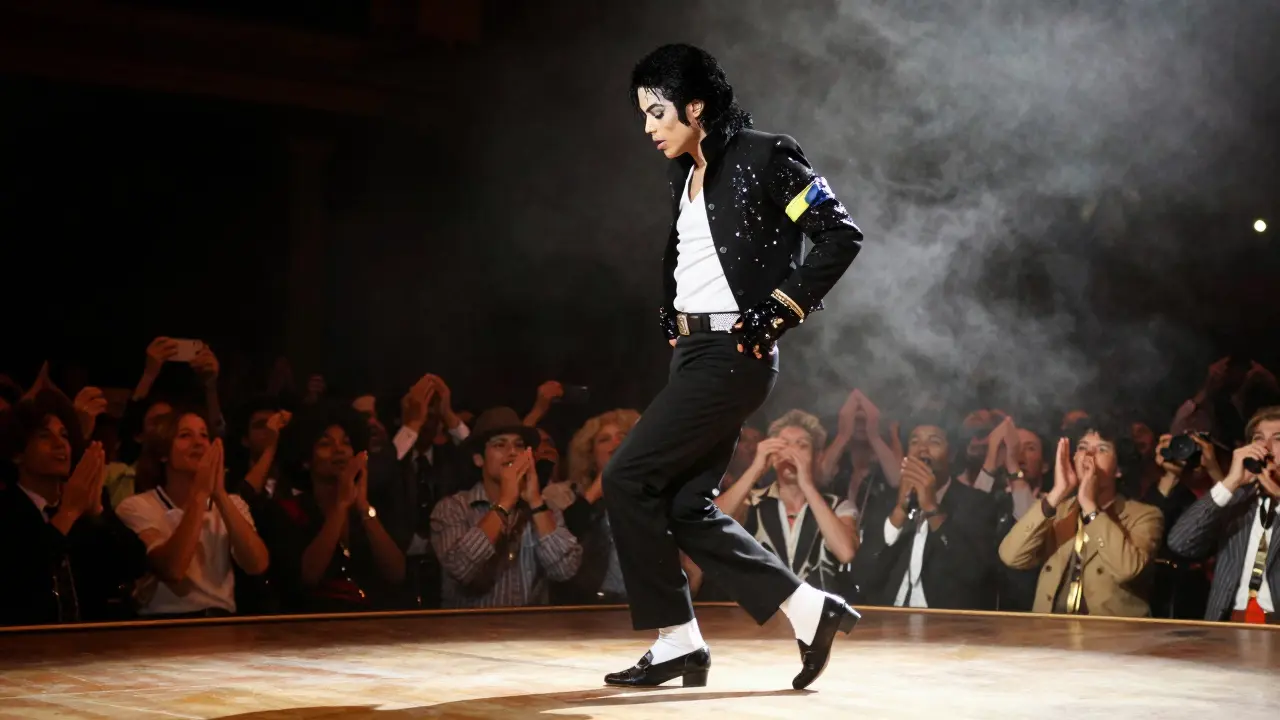
Michael Jackson’s Moonwalk at the Motown 25 Special (1983)
On May 16, 1983, Michael Jackson stepped onto a stage in Pasadena and changed pop forever. Wearing a single sequined glove, a black jacket, and white socks, he launched into ‘Billie Jean.’ Midway through, he did something no one had ever seen: he slid backward on stage as if gravity had broken. The crowd gasped. Millions watching at home froze. The Moonwalk wasn’t just a dance move-it was a revelation. Overnight, Jackson went from child star to global icon. The performance pulled in 47 million viewers in the U.S. alone. It wasn’t just entertainment. It was a new language of performance. Pop music would never be the same.
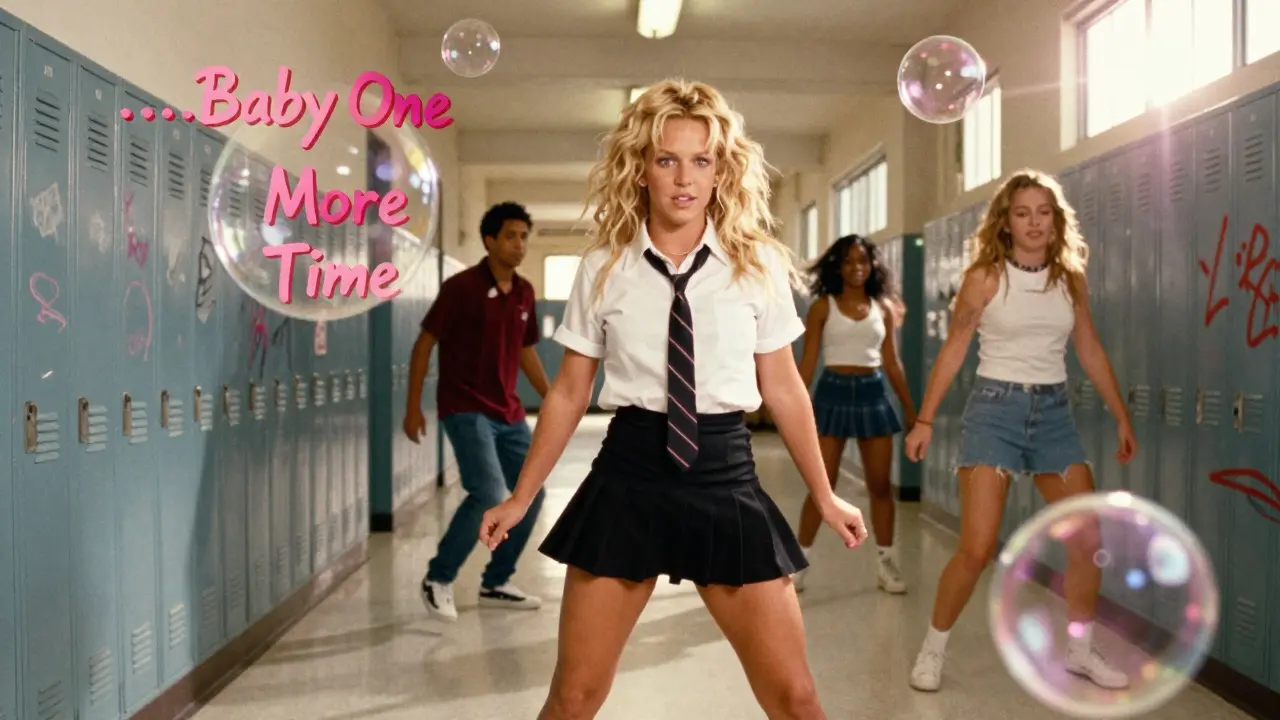
Britney Spears’ ‘...Baby One More Time’ Debut (1999)
When Britney Spears walked out in that schoolgirl outfit-white shirt, tiny skirt, black tie-she didn’t just sing a song. She rewrote the rules of teen pop. Her 1999 debut single, ‘...Baby One More Time,’ was everywhere: on MTV, on radio, on every teenager’s Walkman. The music video had 1.2 million views in its first week online. It sold over 10 million copies globally. But more than numbers, it gave a generation permission to be loud, messy, and unapologetically themselves. The song’s chorus became a national chant. Girls everywhere sang it in locker rooms. Boys tried to dance like the backup crew. It wasn’t just a hit. It was a cultural reset.
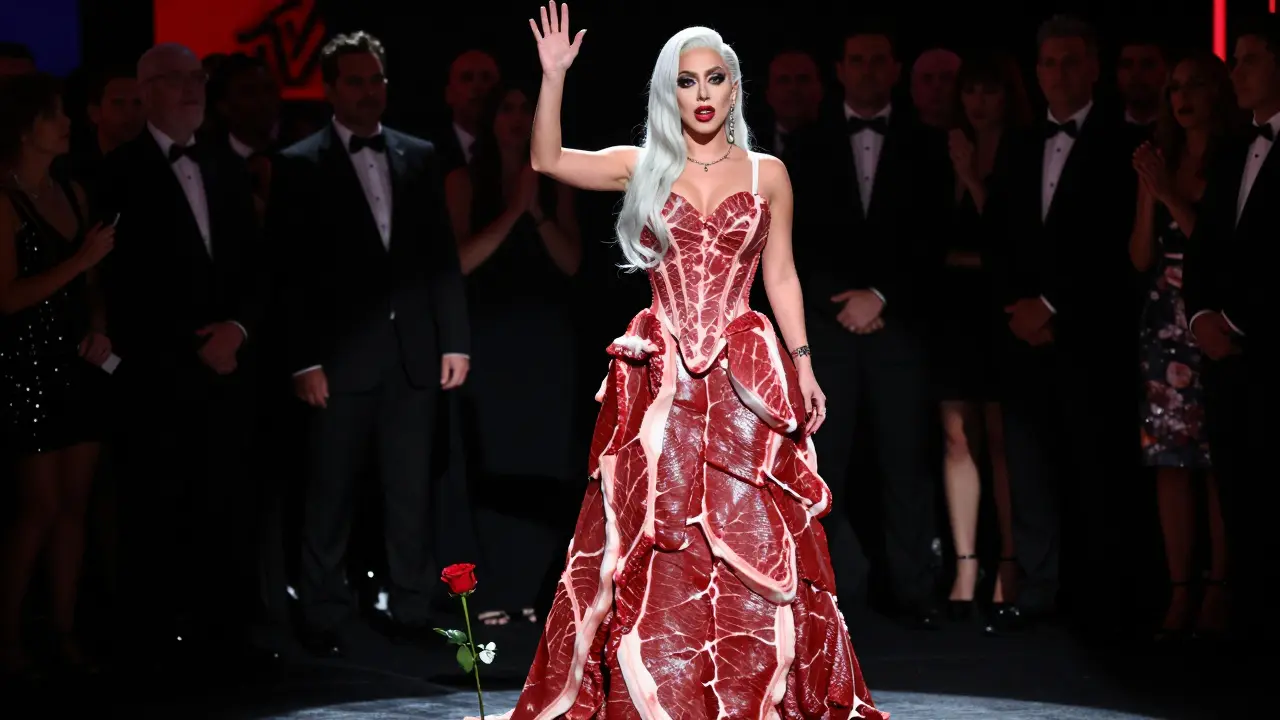
Lady Gaga’s Meat Dress at the 2010 MTV VMAs
Pop music has always been about spectacle, but Lady Gaga turned it into a statement. At the 2010 MTV Video Music Awards, she arrived wearing a dress made entirely of raw beef. It wasn’t shock for shock’s sake. It was protest. She said it represented the fight for LGBTQ+ rights and the idea that people should be treated as equals, not as meat. The dress sparked protests, memes, and debates in living rooms across the world. Even then-Secretary of State Hillary Clinton commented on it. The moment didn’t just make headlines-it made people think. Gaga didn’t just perform songs; she turned fashion, music, and politics into one wild, unforgettable package.
Queen’s Live Aid Performance (1985)
On July 13, 1985, at Wembley Stadium, Freddie Mercury didn’t just sing-he owned the stage. Queen’s 20-minute set at Live Aid was shorter than most, but it became the most talked-about performance of the day. With just a piano, a mic, and a crowd of 72,000, Mercury turned ‘Radio Ga Ga’ into a call-and-response anthem. He made 100,000 people in London and millions more watching globally feel like they were part of the band. The performance raised over $127 million for African famine relief. But more than that, it proved that pop music could be both massive and intimate. Queen didn’t need pyrotechnics. They just needed a voice that could carry a stadium.
Beyoncé’s 2018 Coachella Set (‘Beychella’)
In 2018, Beyoncé didn’t headline Coachella-she redefined it. Her two-night performance was a tribute to historically Black colleges and universities, complete with a marching band, step dancers, and a full choir. She sang ‘Formation’ on a moving platform shaped like a Southern plantation house. The set paid homage to Black culture in ways mainstream pop had rarely done. Over 80 million people streamed it on YouTube in the first week. It wasn’t just a concert. It was a history lesson wrapped in bass drops and glitter. Afterward, HBCU applications jumped by 20%. Her performance became a blueprint for how pop stars could use their platform to honor heritage, not just sell records.
Elton John’s ‘I’m Still Standing’ at the 2023 Grammys
At 76, Elton John walked out on stage at the 2023 Grammys with a cane and a smile. He hadn’t performed live in years. But when he played ‘I’m Still Standing,’ the crowd rose to their feet. He didn’t need to sing high notes anymore. He didn’t need to run around. He just needed to be there. The moment was quiet, powerful, and deeply human. It wasn’t about the song-it was about the man who had survived addiction, loss, and decades of fame. He looked out at the crowd, nodded, and whispered, ‘Thank you.’ The room held its breath. That night, the song hit streaming platforms again, climbing back into the top 10. It wasn’t nostalgia. It was proof that pop music can carry a lifetime.
Taylor Swift’s Eras Tour (2023-2024)
When Taylor Swift launched the Eras Tour in March 2023, she didn’t just tour-she rebuilt the live music economy. The tour grossed over $1 billion in its first year, making it the highest-grossing tour in history. But the real magic wasn’t in the numbers. It was in the way fans showed up. People traveled across states, bought matching outfits, learned every lyric from every album, and cried when she sang ‘All Too Well (10 Minute Version).’ Concerts turned into multi-day festivals. Social media lit up with stories of grandmas dancing to ‘Shake It Off’ and teens singing ‘Love Story’ with their moms. Swift didn’t just release songs. She built a living archive of emotions. For millions, the Eras Tour wasn’t a concert-it was a reunion with their younger selves.
Why These Moments Last
These aren’t just famous performances. They’re moments when pop music stopped being background noise and became part of who we are. Each one happened because the artist did something unexpected-broke a rule, spoke truth, or dared to be vulnerable. They didn’t just sing. They connected. And that’s why we still talk about them 20, 30, 40 years later. Pop music’s greatest moments aren’t about sales or awards. They’re about the feeling you get when you hear a song and suddenly remember where you were, who you were with, and what you were feeling. That’s the real power of pop.
What was the most watched pop performance in history?
The most watched pop performance in history was Michael Jackson’s Moonwalk at the Motown 25 Special in 1983. An estimated 47 million viewers in the U.S. tuned in live, and it became a global phenomenon. The performance was rebroadcast countless times and remains the most iconic pop moment ever captured on video.
Which pop artist has the most historic moments?
Michael Jackson and Beyoncé tie for the most historic pop moments. Jackson redefined performance with the Moonwalk and Thriller. Beyoncé reshaped live music with her Coachella set and Lemonade visuals. Both used their art to push cultural boundaries, not just sell records. Their moments changed how future artists think about stage presence, identity, and storytelling.
Did any pop moment change music technology?
Yes. Britney Spears’ ‘...Baby One More Time’ music video helped push MTV into the digital era. Its heavy rotation forced networks to invest in higher-quality video formats. Later, Taylor Swift’s Eras Tour livestreams in 2023 broke streaming records, with over 10 million concurrent viewers on Amazon Prime Video. That forced platforms to upgrade their infrastructure for live music events.
Why do older pop moments still matter today?
Because they capture emotions we still feel. A 1983 Moonwalk isn’t just a dance-it’s about breaking limits. A 1999 schoolgirl outfit isn’t just fashion-it’s about reclaiming identity. These moments become timeless because they reflect universal truths: courage, vulnerability, rebellion, joy. New generations rediscover them and see themselves in them.
Can a pop moment be political?
Absolutely. Lady Gaga’s meat dress at the 2010 VMAs was a direct statement on LGBTQ+ rights. Beyoncé’s Coachella set honored Black culture and HBCUs during a time of national racial tension. Even Queen’s Live Aid raised money for African famine relief. Pop music has always been a megaphone for social issues-sometimes quietly, sometimes loudly.
Pop music’s greatest moments don’t live on because they were perfect. They live on because they were real. They made us feel seen. And that’s why we still play them, talk about them, and pass them down.