
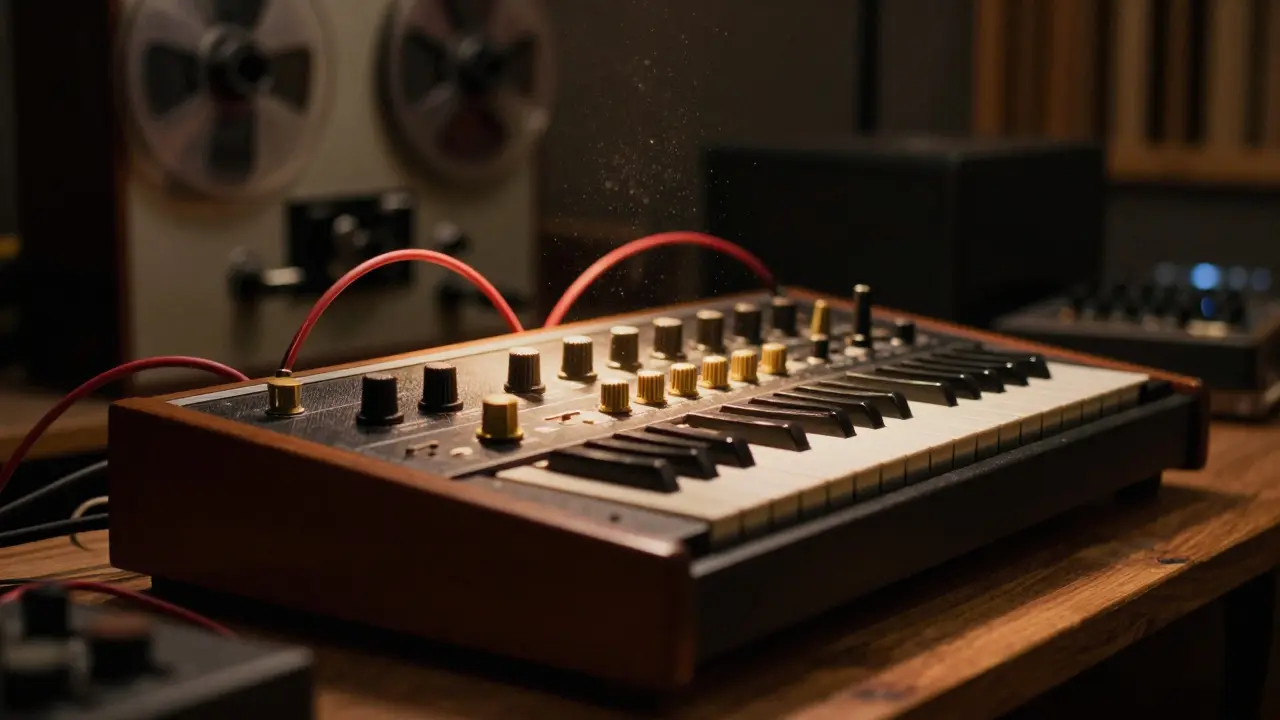
You know that shiver you get when the opening credits roll on a futuristic thriller? That isn't magic; it is Electronic Music. While orchestras have always set the mood for war epics and romances, the cold hum of a synthesizer speaks a different language. It tells stories of technology gone wrong, societies of glass, and feelings we can't quite name. This article breaks down exactly how circuitry replaced violins in Hollywood and why producers still reach for the keyboard today.
The Evolution from Analog to Digital Scores
Long before you had a laptop full of plugins, composers needed room-sized machinery to bend sound. In the mid-20th century, experimental composers started testing the limits of tape and oscillators. The Moog Synthesizer changed everything. Its ability to mimic nature created the first alien atmospheres in cinema. When John Carpenter scored his 1970s horror hits, he didn't hire an orchestra. He used cheap drum machines and tape recorders because they sounded isolated and menacing.
This shift wasn't just budget-friendly; it was artistic. Traditional strings imply human warmth. A sawtooth wave suggests something mechanical. As time moved toward the 1980s, digital synthesis arrived. The Roland Juno became the backbone of pop tracks, eventually bleeding into film scores for comedies and action movies alike. These early electronic tools taught directors that music could paint a world that didn't exist yet.
Sonic Textures as Storytelling Tools
Why would a director choose a sequenced bassline over a cello section? Texture matters more than melody sometimes. In a cyberpunk setting, organic instruments feel out of place. You need a wall of noise, rhythmic glitches, and metallic percussion. Think about Stranger Things; the show uses synths to trigger nostalgia while keeping the threat palpable. The low-end drones create tension that a standard violin section cannot replicate.
Composers also manipulate pitch and space. With Digital Audio Workstation technology, you can stretch a sound sample until it loses its identity. This creates unease. Viewers don't realize they are unsettled, but their bodies react to the frequency shifts. This technique is common in psychological thrillers where the threat is invisible. The music acts as the subconscious whisper that tells the audience to look behind them.
| Feature | Traditional Orchestra | Electronic Score |
|---|---|---|
| Emotional Tone | Grand, Human, Warm | Cold, Futuristic, Abstract |
| Budget Flexibility | Expensive, Time-intensive | Cost-effective, Iterative |
| Genre Fit | Historical Drama, Romance | Sci-Fi, Horror, Thriller |
| Mixing Capability | Acoustic Balance | Totally Synthetic Control |
Famous Composers Redefining Sound
Some artists turned their own music careers into cinematic dominance. Hans Zimmer is the obvious giant here, but even he leans heavily on hybrid setups today. He doesn't rely solely on the London Symphony. His work on Dune utilized vocal samples processed through granular synthesis to create alien chants. This blend keeps the score human while remaining otherworldly. Then you have Trent Reznor and Atticus Ross. They treat film scoring like making albums. For Social Network, they stripped away traditional motifs and left minimal piano mixed with industrial textures.
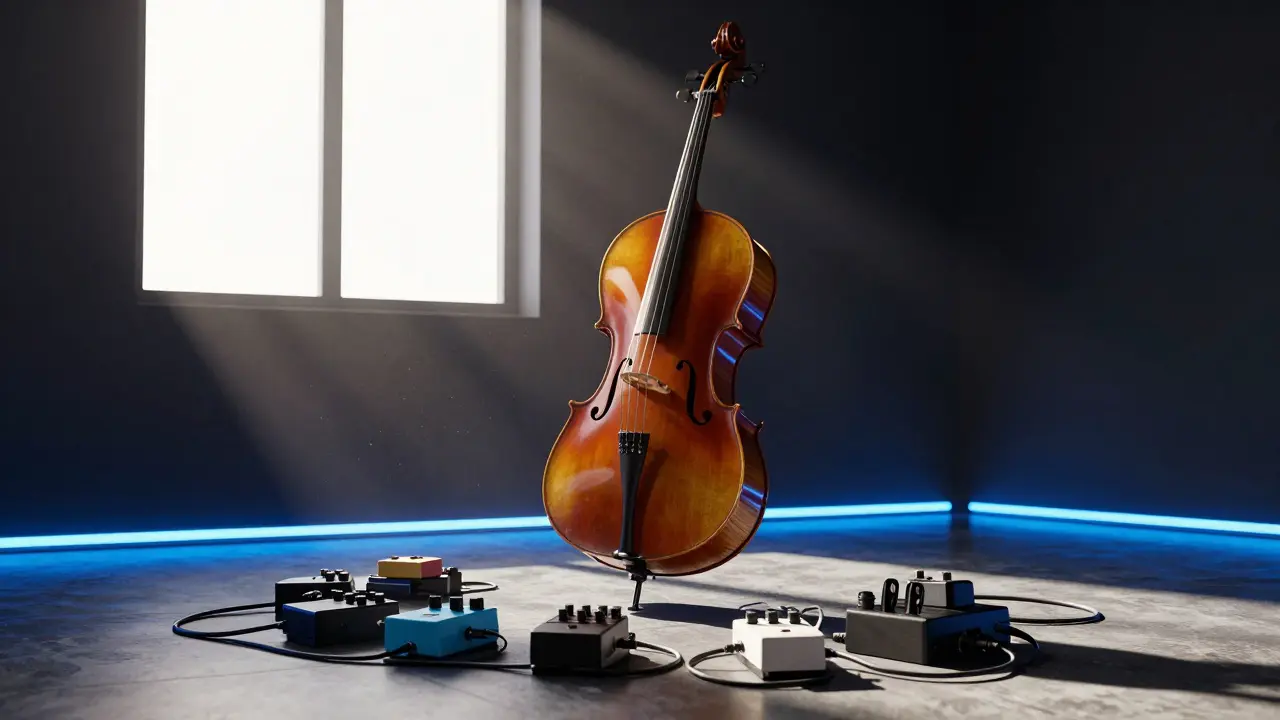
Their approach proves that genre lines are blurring. You don't need to be an "electronic musician" to write a score anymore. Classical musicians now play through effects pedals. Drummers use triggers to fire samples. The distinction between a bedroom producer and a Hollywood composer has vanished in the studio.
The Rise of Retro-Futurism
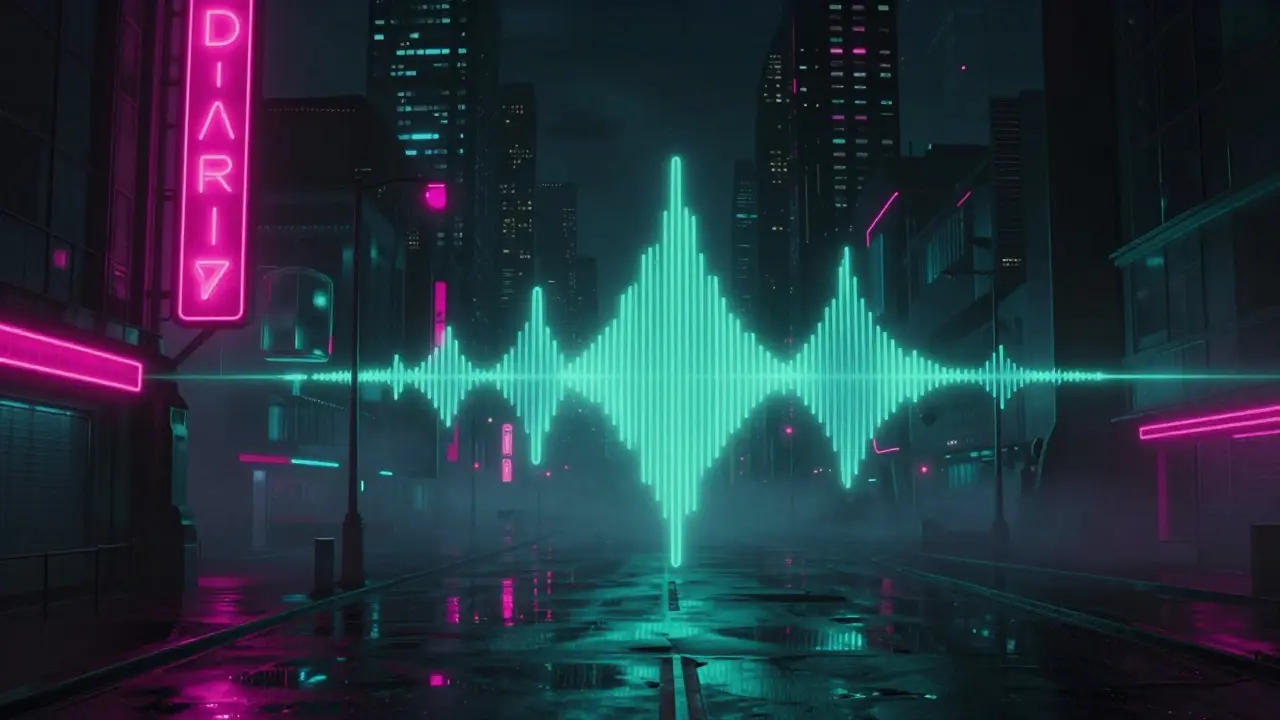
A massive trend driving this demand is retro-futurism. Audiences in the late 2010s and early 2020s fell in love with the 80s aesthetic again. This brought back big pads and arpeggios. Shows like Westworld and Drive utilized these sounds to signal a longing for a past that never actually happened. It taps into a collective memory of cassette tapes and neon lights. Even in 2026, when virtual reality scores become standard, the analog warmth remains a luxury asset.
Directors often ask for this specific vibe to ground their sci-fi elements. If your movie takes place in 2077, pure digital perfection sounds fake. Dusty analog synths feel lived-in. They suggest a history of the machine. This paradox drives sales of vintage gear back into high studios. Collectors snap up 40-year-old synthesizers simply because they sound "wrong" compared to pristine digital plugins.
Modern Workflow in 2026
How does a composer actually put this together today? Most professionals start in a box. A standard Logic Pro or Ableton Live session handles the bulk of work. They layer virtual instruments first, then record real players to top them off. The rise of AI Assistive Tools in post-production means speed is faster than ever. An AI might generate a basic rhythmic loop, which the composer then humanizes. This doesn't replace creativity; it removes the grinding legwork.
Collaboration happens remotely. A director in Los Angeles watches cuts while the composer works from Brisbane or Berlin. High-speed fiber connections allow zero-latency audio transfer. The workflow is less about traveling to a mixing stage and more about cloud-based project sharing. This flexibility allows indie filmmakers to hire talent they couldn't afford before.
Visuals Dictating Frequency
Sound designers and editors work hand-in-hand now. The cut of the scene dictates the tempo of the track. If an edit accelerates, the BPM of the electronic track increases slightly. This synchronization, known as "musical punctuation," keeps viewers locked into the visual rhythm. Editors sometimes cut picture to the beat of a synthesized bassline rather than the other way around. It feels punchier.
Foley artistry also intersects with scoring. Sometimes a footstep gets replaced by a synthesized sub-bass kick to emphasize weight. When a character touches an object, the sound might swell into a chord. This blurs the line between sound effect and music entirely. It makes the viewing experience more immersive.
Frequently Asked Questions
What makes electronic music better for horror?
Electronic sounds lack natural harmonics found in organic instruments. This unnatural quality triggers a primal alert system in listeners, making them feel uneasy even in safe environments.
Is an orchestra completely obsolete in film?
No. Hybrid scores mix both. Strings provide emotional anchors, while synths provide the texture and movement required for modern pacing.
Do I need expensive gear to score films?
Not necessarily. Virtual instruments have improved so much that a laptop can mimic a 100-piece ensemble convincingly, though live recording adds depth.
How has streaming affected music rights?
Streaming platforms require extensive metadata tagging. Every synth patch used needs clearance, making legal paperwork heavier than it was in the cable TV era.
Can I license a pop song for my short film?
Yes, but it requires negotiating master and sync licenses separately. Original electronic production is often cheaper and avoids copyright lawsuits entirely.