Aretha Franklin: The Queen of Soul and Her Enduring Influence on Music
When you think of Aretha Franklin, the legendary American singer whose voice defined soul music and became a symbol of strength and dignity. Also known as the Queen of Soul, she didn't just sing songs—she turned them into movements. Her voice carried the weight of history, the fire of civil rights, and the deep roots of Black church music. You didn’t hear notes—you felt truth.
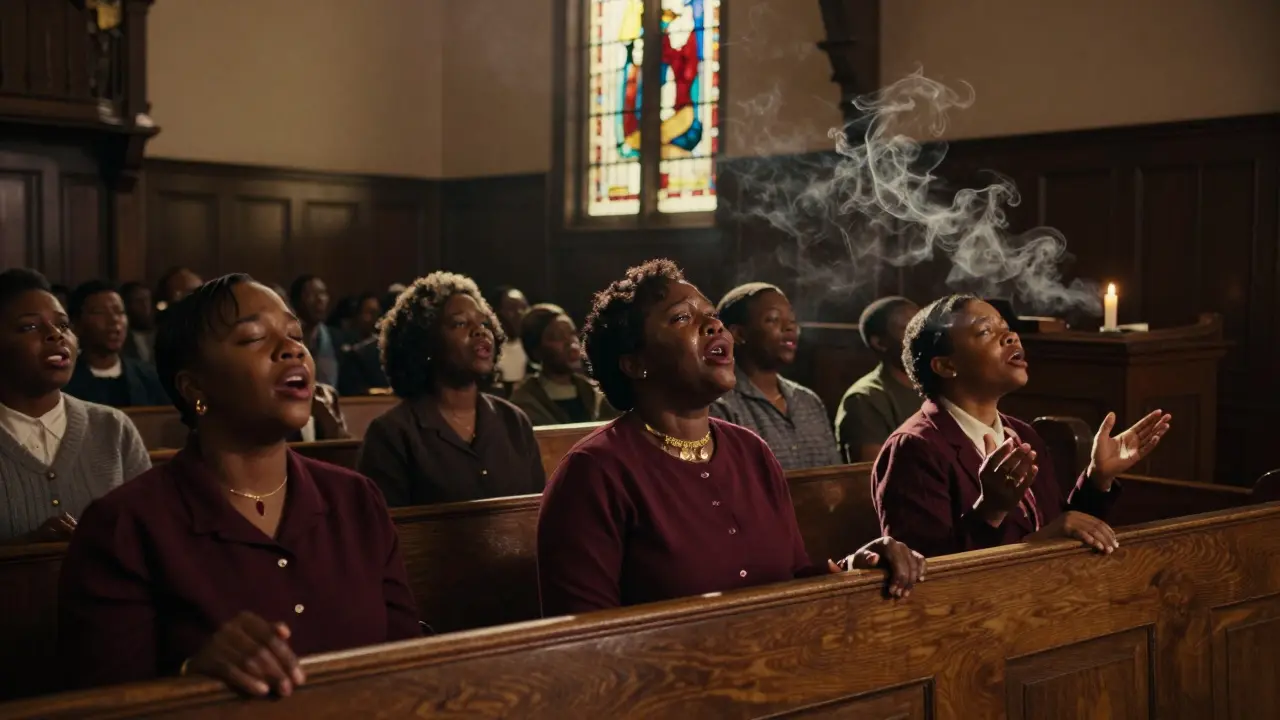
Her music didn’t come from a studio. It came from the pulpit. Gospel music, the spiritual foundation of African American musical expression shaped her phrasing, her power, her timing. She grew up singing in her father’s church, and that raw, call-and-response energy never left her. When she sang ‘Respect,’ it wasn’t a request—it was a demand. That song became an anthem because it came from a place where pain met pride, and melody met movement.
Aretha Franklin didn’t just influence soul music, a genre born from gospel and rhythm and blues, defined by emotional intensity and vocal improvisation. She redefined it. Her 1967 album I Never Loved a Man the Way I Love You didn’t just top charts—it changed what a woman could say, how she could sound, and what music could do in the face of injustice. Artists from Whitney Houston to Adele to Beyoncé carry pieces of her DNA. Even today, when someone belts out a note with unfiltered emotion, they’re standing in her shadow.
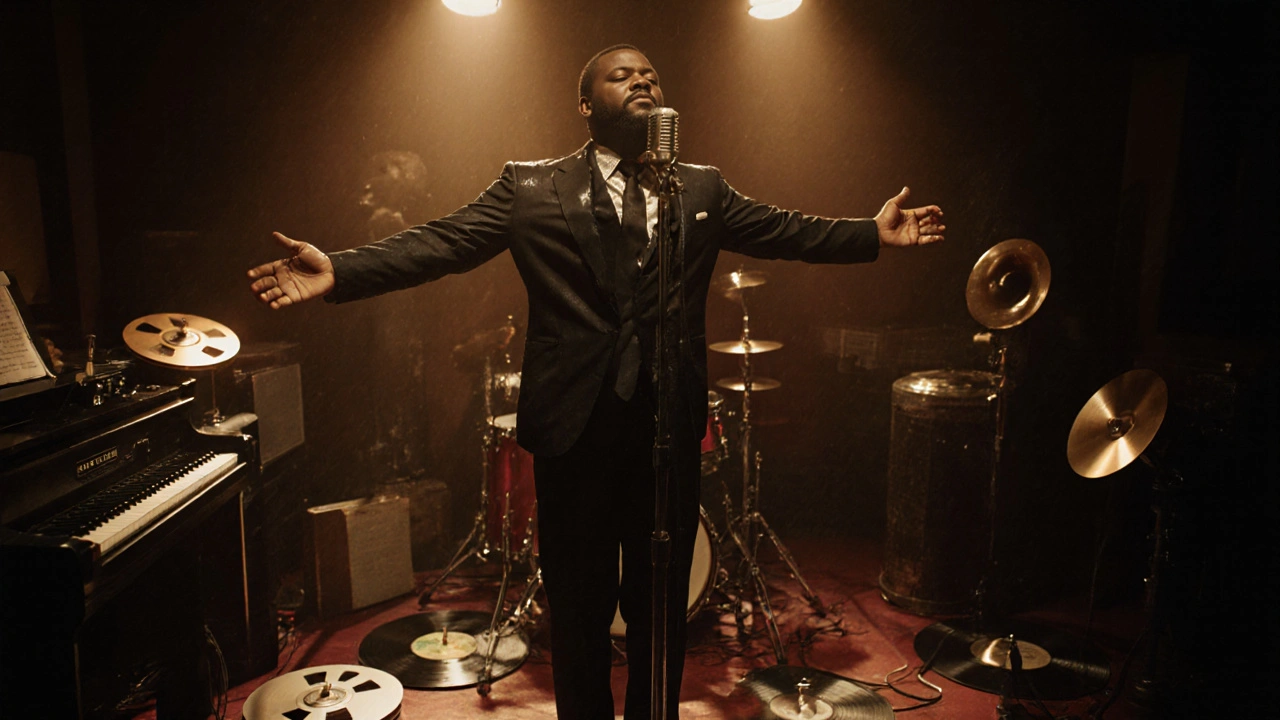
And it wasn’t just her voice. It was her control—the way she bent a note like it was clay, held a phrase like it was sacred, and let silence speak louder than any instrument. She didn’t need flashy production. A piano, a bass, a horn section, and her lungs were enough. That’s why her music still hits hard decades later. It doesn’t feel dated. It feels alive.
What you’ll find in the posts below isn’t just a list of articles. It’s a map of how her legacy echoes through blues, R&B, hip-hop sampling, and modern vocal styles. You’ll see how her influence runs through songs you didn’t even know were connected to her. You’ll learn how gospel turned into soul, how soul turned into something bigger—and why no one since has been able to replicate her magic, only honor it.
Soul music’s rhythm isn’t just sound-it’s history, resistance, and emotion woven into every beat. From gospel roots to Motown polish and Stax grit, this is the story of how soul moved a generation-and still moves us today.
Soul music rose from gospel and R&B roots in the 1950s, peaked in the '60s and '70s, faded in the '90s, and is now making a powerful comeback through authentic, emotion-driven artists. It's not nostalgia-it's renewal.