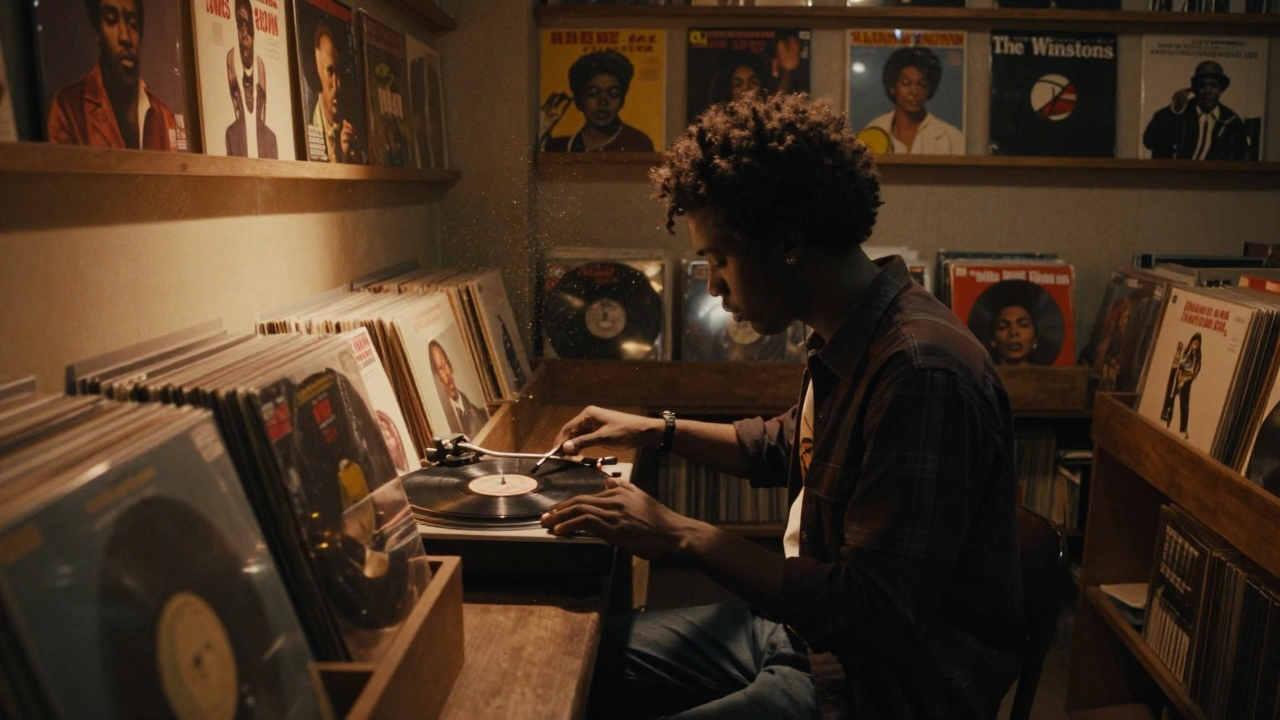
Classic Soul: The Raw Emotion Behind the Music That Shaped Modern Genres
When you hear classic soul, a genre born from gospel, blues, and R&B that turned personal pain into universal anthems. Also known as old-school soul, it’s not just music—it’s a living archive of Black American resilience, joy, and truth. This isn’t background noise. It’s the sound of someone singing like their life depended on it—because it did. You hear it in the cracks of a voice, the way a horn swells after a long silence, the way a backing choir answers like a congregation in church. That’s classic soul: unfiltered, unapologetic, and impossible to ignore.
It didn’t come from studios in LA or New York boardrooms. It came from Memphis at Stax Records, a small label where Black artists created music on their own terms, often with broken equipment and no safety net. It came from Detroit at Motown, a factory of hits run by Berry Gordy, where polish met pain and every song had to move both feet and hearts. And it came from the voice of Aretha Franklin, the Queen who turned gospel fervor into pop dominance, making songs like ‘Respect’ into civil rights anthems before the movement had a name. These weren’t just labels or singers—they were cultural engines. And they didn’t just make songs. They built emotional blueprints that hip-hop later sampled, R&B later copied, and pop still steals from today.
Classic soul doesn’t need reverb or autotune. It needs a live piano, a tired drummer, and a singer who’s been through hell and still shows up to sing. That’s why it still hits harder than most new music. It’s the reason why a 1967 Otis Redding track can make a 20-year-old cry on a subway. It’s why modern artists like Leon Bridges or H.E.R. don’t just sound like soul—they’re trying to earn it. You won’t find this in playlists labeled ‘chill vibes’ or ‘workout beats.’ You find it in the quiet moments after the party ends, when the last song plays and you realize you’ve been holding your breath.
What you’ll find below isn’t a list of old records. It’s a map. A map showing how soul music stitched itself into hip-hop’s DNA, how its rhythms became protest chants, how its singers became the ancestors of today’s voices. These posts don’t just talk about classic soul—they show you where it lives now, who carries it forward, and why it still matters more than ever.
Soul music is the most sampled genre in hip-hop, providing the emotional core, drum breaks, and melodic hooks that shaped decades of rap. From James Brown to Aretha Franklin, its influence is everywhere.