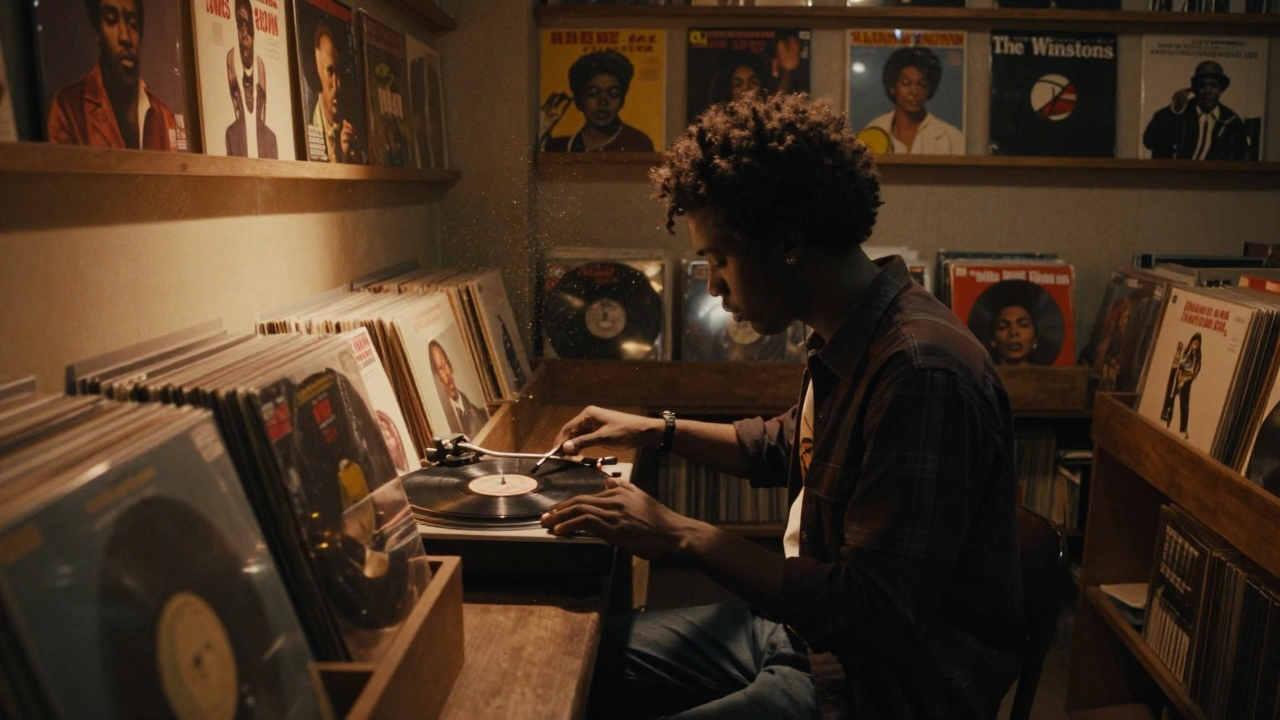
Funk and Soul Beats: The Groove That Shaped Modern Music
When you think of funk and soul beats, a deep, rhythmic fusion of gospel, R&B, and jazz that makes your body move before your mind catches up. Also known as groove-driven Black American music, it’s not just sound—it’s a physical experience. These beats didn’t just play in clubs or on radios. They moved protests, fueled dance floors, and became the backbone of hip-hop sampling. You hear them in the kick and snare of a modern trap track, in the bassline of a pop anthem, even in the intro of a video game soundtrack. They’re everywhere because they’re real.
Soul music, born from church choirs and late-night juke joints, turned pain into power with voices that cracked, soared, and held you hostage. Also known as emotional R&B, it gave us Aretha Franklin’s gospel-charged cries and Otis Redding’s raw, unfiltered heart. Then came funk music, a tighter, meaner cousin that locked rhythm into a groove so deep it felt like a pulse. Also known as James Brown’s one-drop revolution, it stripped everything down to the beat—the bass, the clav, the horns cutting like knives—and made you move whether you wanted to or not. Motown polished the edges, but funk kept it gritty. And together, they didn’t just influence music—they rewrote how music could feel.
Look at the posts below. You’ll find how soul shaped hip-hop’s storytelling, how the same 12-bar blues that birthed the blues also fed into soul’s emotional core, and how funk’s drum patterns became the foundation for dance music worldwide. You’ll see how women like Tina Turner and Chaka Khan turned these beats into anthems of survival and strength. You’ll see how sampling didn’t just copy these sounds—it resurrected them. This isn’t nostalgia. It’s legacy. And if you’ve ever tapped your foot to a beat that made you feel something deeper than just rhythm, you’ve already felt the weight of funk and soul beats.
Soul music is the most sampled genre in hip-hop, providing the emotional core, drum breaks, and melodic hooks that shaped decades of rap. From James Brown to Aretha Franklin, its influence is everywhere.