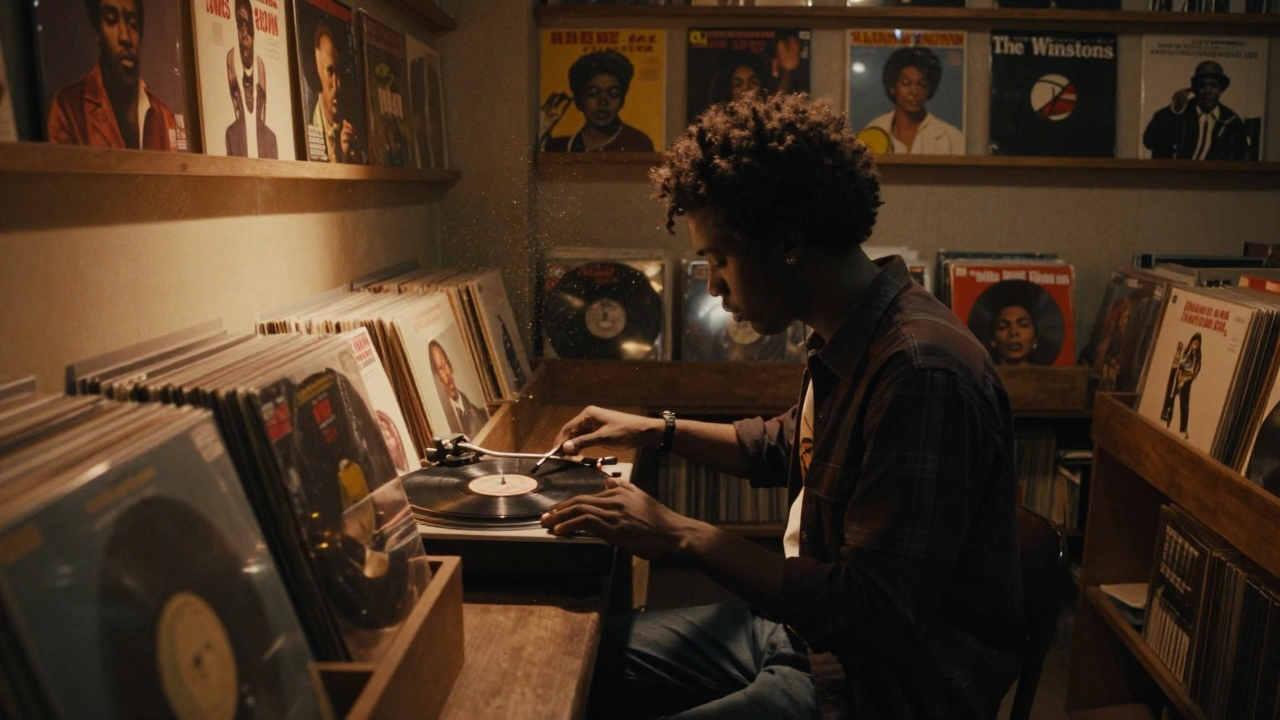
Hip-Hop Samples: The Beats That Built a Genre
When you hear a classic hip-hop track, you're not just listening to a new song—you're hearing a piece of music history repurposed. hip-hop samples, the chopped, looped, and rearranged fragments of older recordings used to build new beats. Also known as music sampling, they turned forgotten soul records, jazz grooves, and funk breaks into the foundation of a global movement. This wasn’t just clever editing—it was cultural archaeology. Producers like DJ Premier, Pete Rock, and the Bomb Squad didn’t just steal sounds; they dug through thrift store bins, dusty record shops, and vinyl crates to find the raw emotion others had tossed aside.
These samples didn’t just provide rhythm—they carried meaning. A snippet of a 1970s James Brown drum break wasn’t just a beat; it was the pulse of Black resistance. A soul vocal from a 1960s Motown track carried decades of struggle and joy. sampling in music, the practice of reusing portions of existing recordings to create new compositions became a tool for storytelling when words alone weren’t enough. It let artists speak to the past while building the future. And it wasn’t just about the sound—it was about ownership. Who gets to use what? Who gets paid? These questions sparked legal battles, creative workarounds, and even new genres like plunderphonics.
Today, you can find samples in everything from trap beats to indie rap, but the heart of it hasn’t changed. It’s still about turning the overlooked into the essential. Whether it’s a snare from a 1973 Isley Brothers track or a horn stab from a 1968 jazz record, each sample carries a story. hip-hop production, the art of assembling beats, rhythms, and vocal elements to craft a track is built on this idea: nothing is wasted if you know how to listen. The best producers don’t just find samples—they hear the soul in them. And that’s why, even in the age of digital plugins and AI-generated drums, the crackle of a vinyl record still matters.
What you’ll find in the posts below isn’t just a list of songs—it’s a map of how sound became speech, how silence became a beat, and how a single loop could change the world.
Soul music is the most sampled genre in hip-hop, providing the emotional core, drum breaks, and melodic hooks that shaped decades of rap. From James Brown to Aretha Franklin, its influence is everywhere.