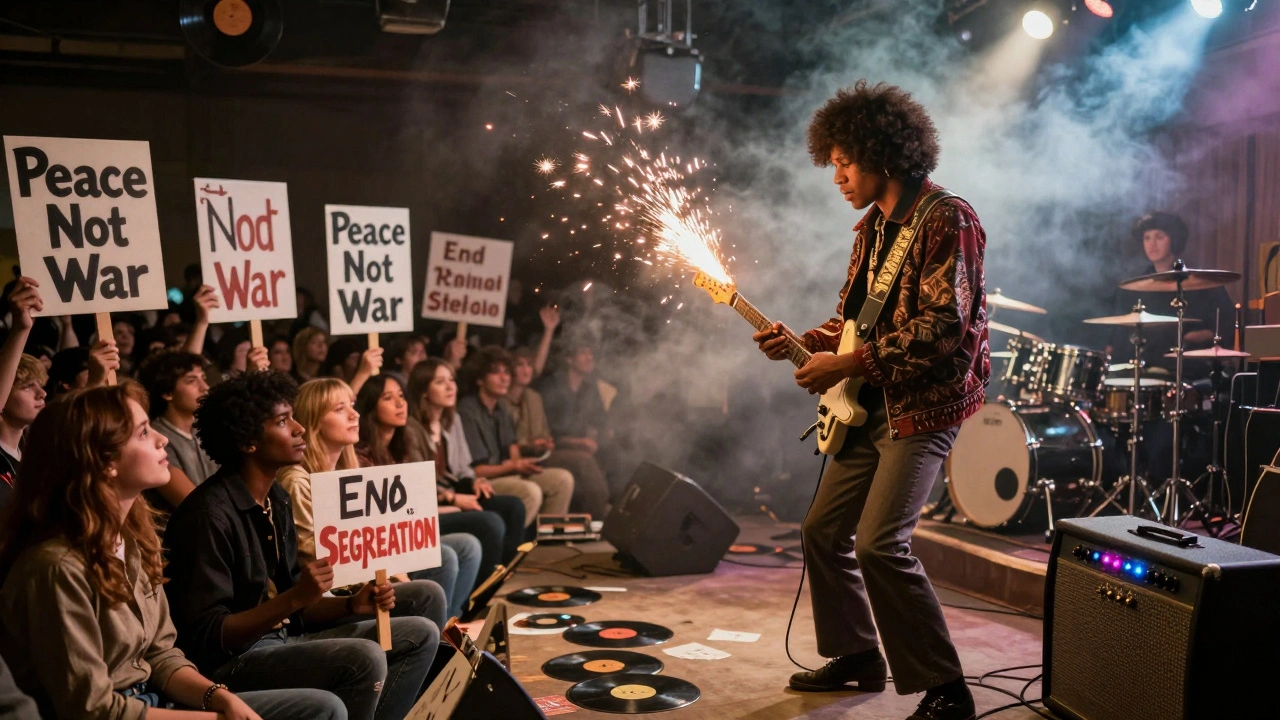
Politics and Music: How Social Movements Shape Sound
When you hear a blues song, you’re not just listening to guitar and voice—you’re hearing politics, the force that turns personal suffering into collective protest through sound. Also known as social resistance in melody, it’s the reason Ma Rainey sang about poverty, Bessie Smith screamed about injustice, and Aretha Franklin turned "Respect" into a national demand. This isn’t coincidence. Music has always been the heartbeat of movements, the voice for those silenced, and the soundtrack to change.
Blues music, a raw, emotional art form born from Black labor and oppression in the American South didn’t just describe hardship—it challenged it. The 12-bar structure became a coded language for survival. Hip hop culture, a modern extension of that same spirit, built on sampling, rhythm, and street-level truth-telling turned Bronx block parties into global revolutions. From Public Enemy’s mic drops to Kendrick Lamar’s Pulitzer, hip hop didn’t wait for permission—it rewrote the rules. And soul music, the emotional bridge between gospel and protest, gave us Aretha’s voice, Marvin’s questions, and Nina’s fire. These aren’t just genres—they’re weapons wrapped in harmony.
Politics in music isn’t about party lines. It’s about who gets heard, who gets counted, and who gets to define freedom. You’ll find that thread in every post below—from how folk songs built community bonds to how reggae became a global cry for dignity. You’ll see how dubstep’s bass shakes club walls like a protest drum, how classical composers once wrote under censorship, and how sampling hip hop beats became a way to reclaim stolen history. This isn’t background noise. It’s the sound of people refusing to stay quiet. Below, you’ll find the stories behind the songs that moved nations—not because they were perfect, but because they were true.
Rock music has long been a powerful force in political movements, from civil rights protests to anti-dictatorship uprisings. This article explores how rock songs sparked change, were banned by regimes, and still inspire activism today.