Social Justice in Music: How Sound Drives Change
When we talk about social justice in music, the use of musical expression to challenge inequality, demand rights, and uplift marginalized communities. Also known as music as activism, it’s not just lyrics—it’s a movement played loud. From the fields of the American South to the streets of London, music has always been a tool for people who were told to stay silent.
blues music, a raw, emotional genre born from African American hardship in the early 1900s didn’t just tell stories—it recorded them. Ma Rainey and Bessie Smith sang about poverty, abuse, and survival when no newspaper would. Their songs became archives of Black life. Later, hip hop empowerment, the way hip hop gives voice to youth in under-resourced communities through rhythm, rhyme, and rebellion took that same energy and turned it into global anthems. Artists didn’t wait for permission—they built platforms. Sampling soul records wasn’t just clever production; it was claiming history. Every beat from James Brown or Aretha Franklin carried the weight of civil rights. And when artists like Public Enemy or Kendrick Lamar dropped tracks about police violence or systemic racism, they weren’t making songs—they were issuing subpoenas.
protest songs, musical acts of resistance that call out injustice and rally people to action aren’t a genre. They’re a tradition. Rock music didn’t just rock—it resisted. Bob Dylan didn’t just sing—he testified. Bands like Rage Against the Machine didn’t just play shows—they organized. And today, reggae, folk, and even electronic music carry the same torch. The guitar, the drum, the sampler—they’re all weapons in the same fight. You don’t need a microphone to make change. You just need to listen. And then you need to speak back.
What you’ll find below isn’t a list of songs. It’s a timeline of courage. A map of resistance. A collection of moments when music didn’t just reflect the world—it tried to fix it.
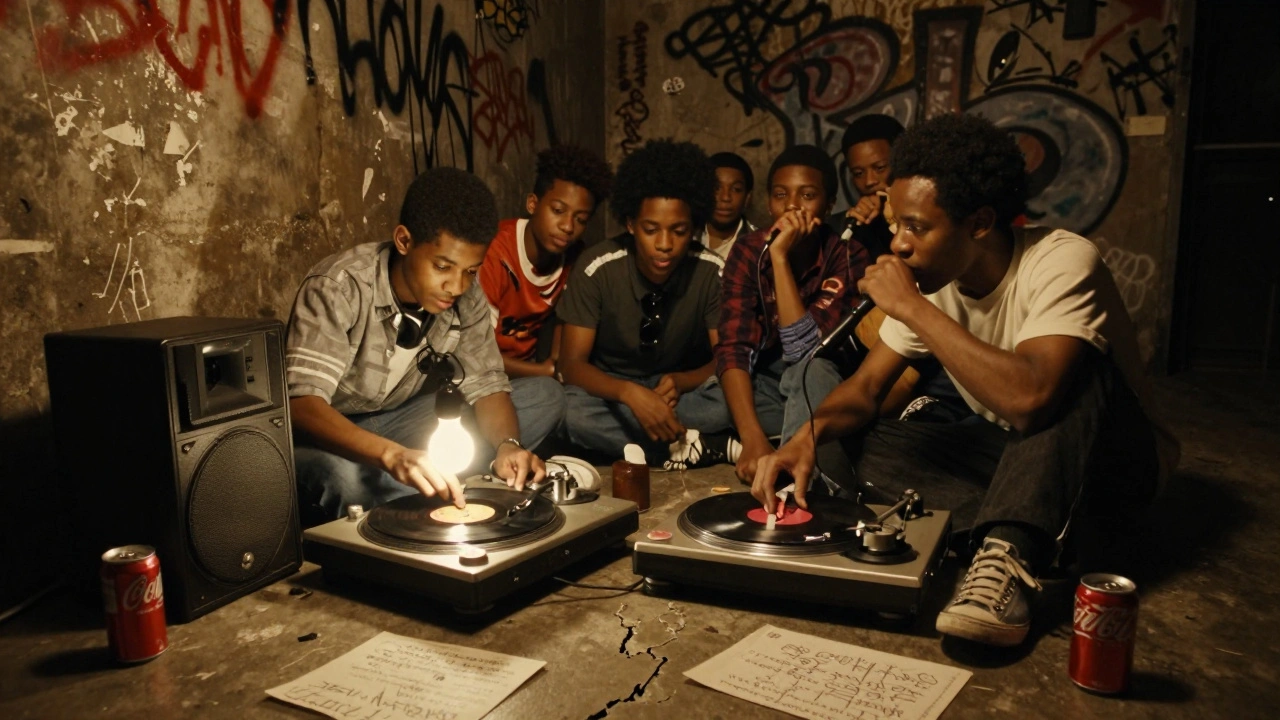
Hip hop music gave a voice to marginalized communities when no one else would listen. From the Bronx to global streets, its lyrics tell stories of survival, resistance, and dignity-not just entertainment.