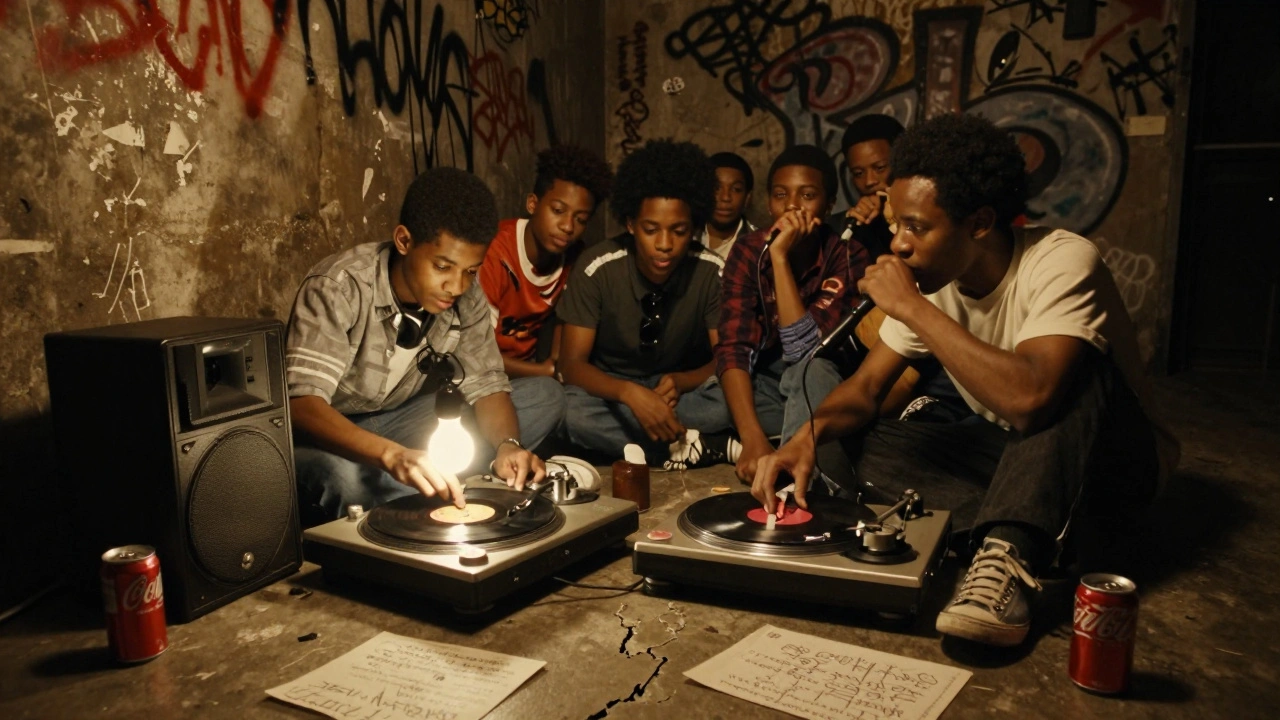
Urban Expression: How Music and Art Shape City Culture
When we talk about urban expression, the authentic, unfiltered voice of city life that blends music, art, and movement into a living cultural language. Also known as street culture, it’s not just what happens on corners and alleyways—it’s how people turn survival into song, pain into poetry, and silence into sound. This isn’t polished studio work. It’s the bass thumping from a car window in Detroit, the chalk drawings on subway walls in Brooklyn, the improvised drum circle outside a Chicago bodega. Urban expression is born where people have the least control—and the most to say.
It’s deeply tied to hip hop music, a cultural movement born in the Bronx that turned turntables into instruments and words into weapons of truth. Also known as rap culture, it gave voice to communities ignored by mainstream media, using sampling to stitch together the soul and funk of past generations into new anthems. You hear it in the way James Brown’s drum breaks became the heartbeat of 90s rap, or how Aretha Franklin’s cries were chopped into tracks that now echo in Tokyo clubs. blues music, the emotional root of so much modern sound, born in the Mississippi Delta and carried north by migrants who turned hardship into harmony. Also known as the foundation of rock and soul, its 12-bar structure and raw vocal delivery live on in every rap verse that speaks of struggle, loss, or resilience. These aren’t just genres—they’re archives of lived experience, passed down through rhythm and rhyme.
And then there’s the visual side: graffiti that turns brick into canvas, dance styles that erupt from parking lots into global phenomena like dubstep dance, and the way a simple acoustic guitar on a subway platform can stop a crowd in their tracks. Urban expression doesn’t need permission. It doesn’t wait for galleries or record deals. It happens when someone picks up a spray can, taps a beat on a trash can, or sings into a phone mic because no one else will listen. It’s the art of making something beautiful out of what’s been overlooked.
What you’ll find below isn’t a list of random articles. It’s a map. A collection of stories that show how music and art move through cities—not as decoration, but as survival, as resistance, as identity. From how soul music shaped hip hop’s emotional core, to how blues became the universal language of pain and power, to how electronic beats now pulse through underground clubs from London to Lagos. These posts don’t just describe culture—they show you how to feel it, hear it, and understand why it matters.
Hip hop music gave a voice to marginalized communities when no one else would listen. From the Bronx to global streets, its lyrics tell stories of survival, resistance, and dignity-not just entertainment.