Musicians and Piano: How Piano Shapes Music and the Artists Who Play It
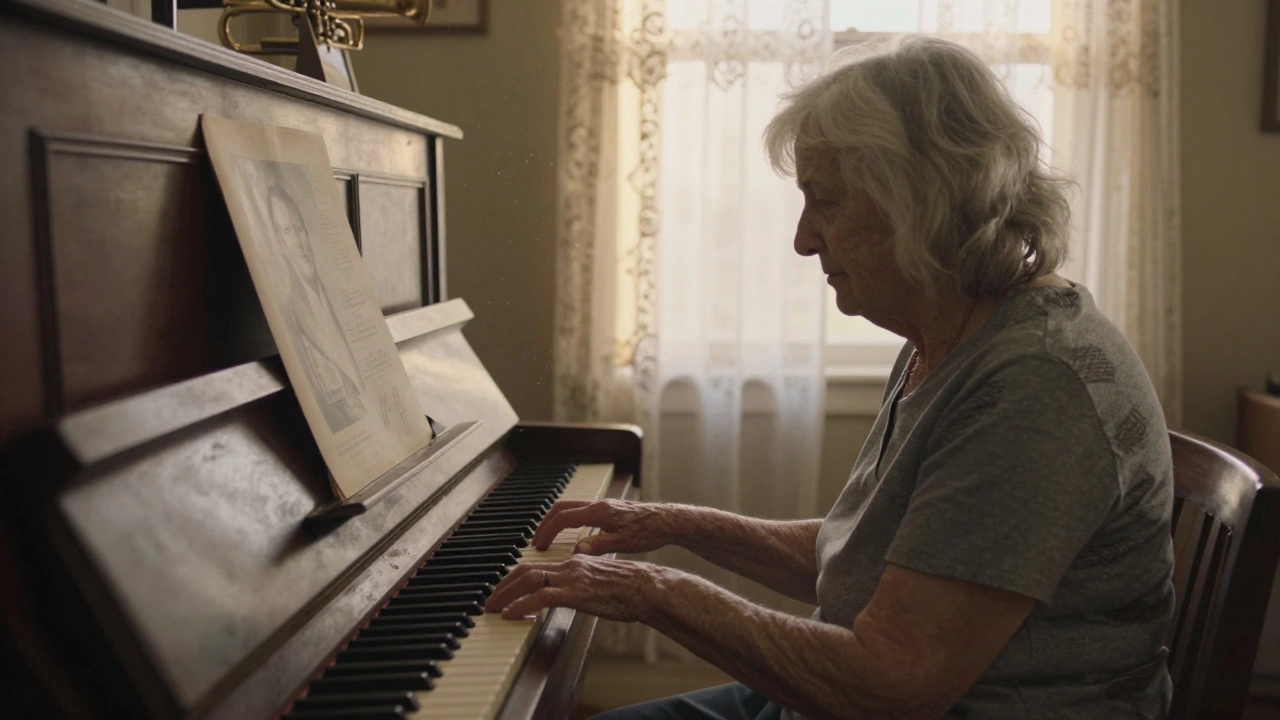
When we talk about musicians and piano, the deep, intimate connection between people who create music and the instrument that often leads their expression. Also known as pianists and keyboardists, this relationship isn’t just about technique—it’s about emotion, structure, and the raw power of sound made tangible by fingers on keys. The piano isn’t just an instrument. It’s the backbone of countless genres. It’s where blues musicians found their first chords, where jazz players learned to improvise, and where hip-hop producers dug for soul samples. You can’t understand modern music without understanding the piano’s role in shaping it.
Piano music, the broad category of compositions written for or centered around the piano. Also known as keyboard music, it spans everything from Bach’s fugues to Aretha Franklin’s gospel-driven runs. This isn’t just classical—it’s the foundation of soul, R&B, and even modern pop. Artists like Ray Charles and Stevie Wonder didn’t just play piano; they used it to tell stories, to cry, to celebrate. And in hip-hop, producers like J Dilla and Kanye West didn’t just sample piano loops—they resurrected emotion from decades-old recordings, turning old recordings into new anthems. Then there’s the pianists, the individuals who bring the instrument to life with their touch, timing, and feeling. Also known as keyboard players, they’re not always in the spotlight, but they’re often the heartbeat of the music. Think of Nina Simone’s quiet intensity, or Bill Evans’ delicate phrasing. These aren’t just players—they’re storytellers who speak in dynamics and silence. The piano is the only instrument that lets you play melody and harmony at the same time. That’s why it’s the go-to tool for composers, songwriters, and producers. It’s where ideas are born—not on a computer screen, but on wood and wire, under real fingers.
What you’ll find in the posts below isn’t just a list of articles. It’s a map of how piano-driven music connects to the bigger picture—how soul samples became the backbone of hip-hop, how jazz improvisation grew from blues roots, how classical pieces quietly power focus in modern creators. You’ll see how the same black and white keys that once accompanied spirituals now drive bass-heavy dubstep tracks. This isn’t nostalgia. It’s evolution. And it’s all tied back to the people who sit down, breathe, and play.
Real stories from people who found healing, joy, and connection through playing the piano-not as professionals, but as humans. Discover how music transforms lives, one note at a time.