Playing Piano: How It Connects to Blues, Jazz, and Soul Music
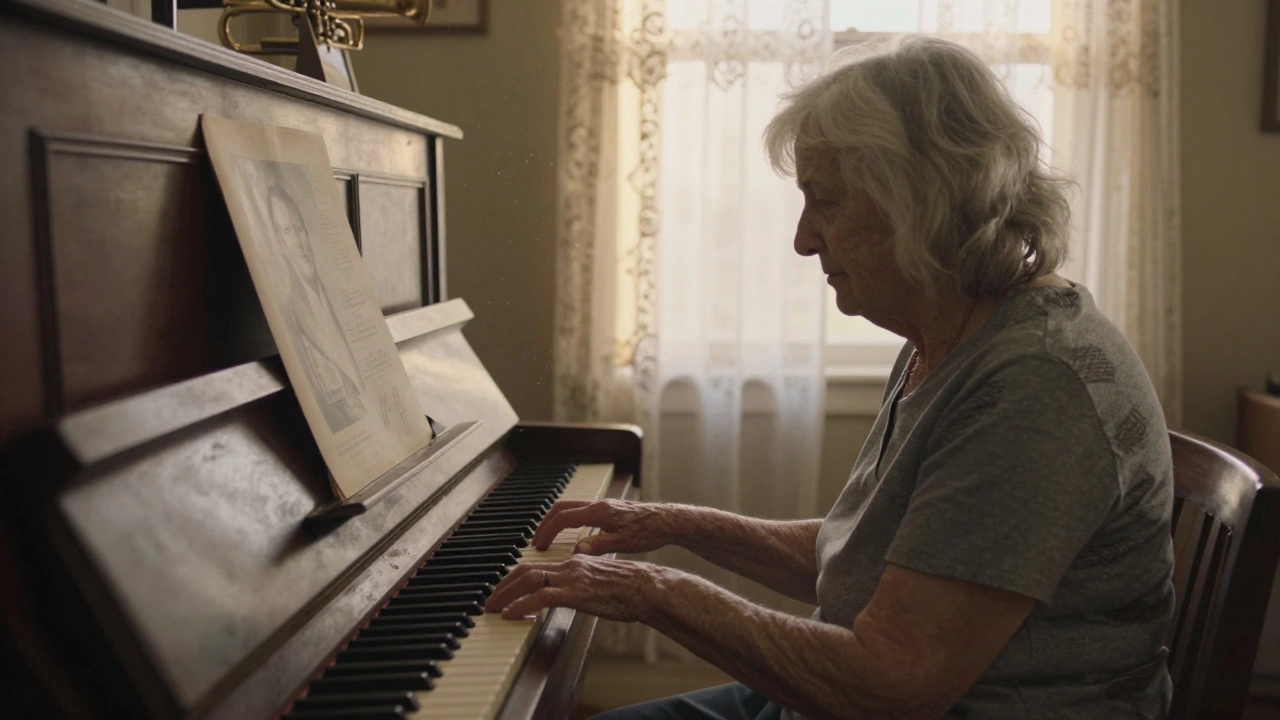
When you sit down at a piano, you’re not just pressing keys—you’re tapping into a playing piano, the physical and emotional act of creating music through keyboard touch, rhythm, and expression. Also known as piano performance, it’s one of the most direct ways to channel feeling into sound. Unlike instruments that rely on breath or bowing, the piano lets you control harmony, melody, and rhythm all at once. That’s why it became the secret weapon behind so much of modern music.
jazz music, a genre built on improvisation, syncopation, and emotional nuance lives and dies by the piano. Think of Bill Evans or Thelonious Monk—how their left hand anchored the groove while the right danced freely. That’s not luck. That’s piano mastery. The same instrument drives blues music, a raw, soul-driven form born from hardship and turned into art. Listen to any classic blues track—Ray Charles, Otis Redding, even B.B. King’s guitar lines were often first imagined on piano. And soul music, the emotional bridge between gospel and R&B? Its biggest hits—from Aretha Franklin’s "Respect" to Marvin Gaye’s "What’s Going On"—were built on piano chords that made you feel something before the words even came out.
Playing piano doesn’t require perfection. It asks for honesty. The best piano moments aren’t the fastest or loudest—they’re the ones where a single note hangs in the air just long enough to make you pause. That’s why so many hip-hop producers sample old piano loops from soul records. That’s why jazz clubs still put a piano front and center. It’s not just an instrument. It’s a conversation starter, a mood setter, a memory trigger.
You’ll find all this in the posts below. Not just theory or history—but how piano shapes the sound of protest songs, how it drives the groove in sampled beats, how it turns simple chords into something that feels like truth. Whether you play or just listen, you’ll see how this one instrument connects decades of music, cultures, and emotions. No fancy training needed. Just the willingness to feel it.
Real stories from people who found healing, joy, and connection through playing the piano-not as professionals, but as humans. Discover how music transforms lives, one note at a time.